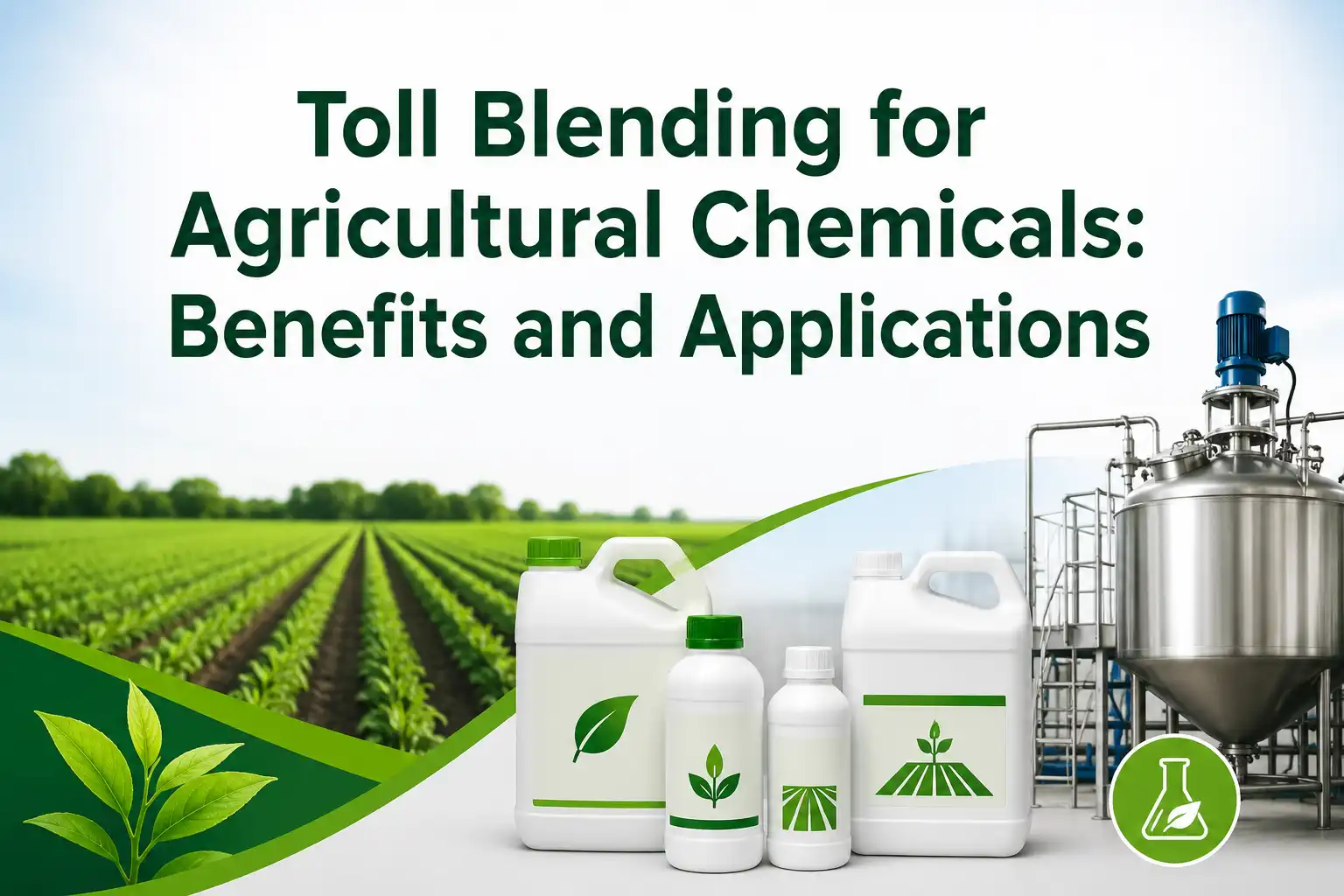
Agricultural products often require carefully developed formulations to support specific farming and operational requirements. As product ranges expand and market demands evolve, many businesses look for efficient manufacturing solutions that can support consistent production without the challenges of managing large-scale facilities internally.
Toll blending has become an important manufacturing option for companies producing agricultural chemical formulations, offering access to specialised production capabilities while allowing businesses to focus on product development, sales, and distribution.
Understanding Toll Blending in Agriculture
Toll blending is a manufacturing arrangement where a specialist provider blends products according to a client’s formulation requirements. The manufacturing partner manages the production process, while the client retains ownership of the product and brand.
For agricultural businesses, this approach provides access to established manufacturing infrastructure and blending expertise without the need to operate their own production facility.
Benefits of Toll Blending for Agricultural Products
Greater Manufacturing Flexibility
Agricultural demand can fluctuate throughout the year due to seasonal conditions and changing market requirements. Toll blending allows businesses to adjust production volumes more easily without making significant investments in equipment or facilities.
Access to Specialist Production Capabilities
Agricultural formulations often require accurate blending processes and controlled manufacturing environments. Working with providers that offer toll chemical services gives businesses access to dedicated equipment and established production systems designed to support consistent outcomes.
Improved Operational Efficiency
Managing manufacturing operations internally can require significant time and resources. Outsourcing the blending process enables businesses to focus on product innovation, customer relationships, and market growth while production activities are handled by experienced professionals.
Support for Business Growth
As agricultural businesses expand, production requirements often increase. Toll blending can provide the additional manufacturing capacity needed to support growth without requiring major infrastructure investments.
Applications of Toll Blending in Agriculture
Toll blending can support the production of a wide range of agricultural formulations, including products used for:
- Crop management programs
- Soil improvement applications
- Nutrient delivery solutions
- Farm maintenance requirements
- Custom agricultural formulations
The ability to produce tailored products makes toll blending a valuable option for businesses serving different agricultural sectors.
The Importance of Consistency and Quality
Consistency is essential in agricultural manufacturing. Reliable blending processes, quality control procedures, and product testing help ensure formulations are produced according to established specifications.
A structured manufacturing approach can help businesses maintain product quality across multiple production batches and support long-term customer confidence.
Choosing a Toll Blending Partner
When evaluating manufacturing providers, businesses should consider factors such as production capability, technical expertise, quality control systems, and operational flexibility. Selecting the right partner can contribute to more efficient production and support future business growth.
Conclusion
Toll blending offers agricultural businesses a practical way to access specialised manufacturing capabilities while maintaining flexibility and operational efficiency. Whether supporting existing product lines or expanding into new markets, toll blending can help businesses meet production requirements more effectively. For companies seeking additional manufacturing support, contract chemical manufacturing solutions may also provide opportunities to scale production and streamline operations.