You might have reached a point where your smile bothers you more than you like to admit. Maybe you avoid photos, or you catch yourself covering your mouth when you laugh. Or perhaps your teeth feel crowded or sore, and you are quietly wondering if you missed your chance to straighten them when you were younger. An orthodontist in Tuckahoe, Eastchester, NY can help you explore modern treatment options tailored to your needs.
If that sounds familiar, you are not alone. Many adults carry a mix of regret, embarrassment, and worry about their teeth. You might think you are “too old” for braces, or that treatment would be uncomfortable, expensive, or just not worth the disruption to your life. At the same time, something keeps nudging you to look again at your options.
Here is the short version. If you are noticing changes in your bite, ongoing jaw or tooth discomfort, trouble keeping your teeth clean because of crowding, or growing self-consciousness about your smile, those are strong signs that adult orthodontic care could help. The good news is that modern treatment is far more discreet and flexible than most people expect, and it is not just about looks. It can protect your long-term oral health, too.
So how do you know if it is time to take this seriously and talk with an orthodontist?
Are your teeth getting harder to clean or starting to feel crowded?
One of the clearest signs that you might need adult orthodontic treatment is crowding that makes brushing and flossing a struggle. You might notice food getting stuck in the same tight spots, or feel like no matter how careful you are, things do not feel truly clean.
That is more than a cosmetic issue. When teeth overlap or twist, plaque sits in places your toothbrush and floss cannot reach. Over time, this can lead to cavities and gum disease. If your dentist keeps mentioning “trouble spots” or early gum problems in the same areas, misalignment may be part of the reason.
You might think, “I brush twice a day, and I floss. What else can I do?” The honest answer is that for some people, no amount of careful home care can fully overcome the way their teeth are positioned. Orthodontic care can gently move teeth into better alignment so you can clean them properly and protect them for the long run.
If you want to see how specific alignment issues affect oral health, it can help to look at common orthodontic problems described by the American Association of Orthodontists in their guide to bite and alignment issues.
Do you feel jaw pain, headaches, or notice your teeth wearing down?
Another sign that you might benefit from orthodontic treatment is ongoing discomfort in your jaw, face, or head that does not have a clear cause. Maybe your jaw clicks or pops when you chew. Maybe you wake up with tight jaw muscles or headaches. Or you may notice your teeth look shorter or flatter than they used to.
When the upper and lower teeth do not meet in a balanced way, certain teeth and muscles have to work harder. That extra strain can show up as jaw pain, tension headaches, chipped or worn teeth, and even sensitivity when you bite into something firm.
This can feel especially frustrating if you have tried night guards, pain medication, or stress management, yet the problems keep returning. If the underlying bite is off, you are treating the symptoms, not the cause.
An orthodontist can evaluate whether your bite is contributing to this pattern. Adjusting tooth and jaw position can spread the biting forces more evenly, which reduces pressure on specific teeth and joints. It is not about chasing perfection. It is about aiming for a bite that feels stable and comfortable, so your teeth and jaw can work together instead of fighting each other.
Is your confidence taking a hit because of your smile?
You might tell yourself that your teeth are “not that bad,” yet you hear that quiet voice when you see a photo or meet someone new. You might smile without showing your teeth. You might avoid speaking up in meetings or feel a little self-conscious on dates or at social events.
Some adults brush this off as vanity. In reality, your smile is a big part of how you express yourself and connect with others. When you are unhappy with it, you may shrink back in ways that affect your work, your relationships, and even how you see yourself.
Modern orthodontic care for adults is far more flexible than most people realize. Many treatments are designed with adult schedules and adult concerns in mind. Options can include tooth-colored braces, aligners, and approaches that focus on the changes you care about most.
If you are curious about how many adults choose treatment and what their options look like, it can be reassuring to read through the AAO’s overview of adult orthodontic treatment choices. You will see you are far from the only one considering this step later in life.
Are dental problems repeating even though you keep fixing them?
There is another sign that often gets overlooked. Repeated dental issues in the same spots. Maybe you have had several fillings on one tooth. Or a crown that keeps chipping. Or gum problems that return even after treatment.
Sometimes these patterns hint at a deeper alignment problem. If your teeth do not line up in a way that supports even chewing, certain teeth can take more pressure. That can lead to cracked fillings, broken teeth, receding gums, or bone loss in specific areas.
You might feel tired of “patching” things. You fix one problem, only to watch another appear. In many cases, orthodontic treatment is part of a more stable long-term plan. It helps your other dental work last longer and reduces the risk of repeating the same repairs year after year.
The American Dental Association’s MouthHealthy site has a good overview of how orthodontics fits into overall dental care in their section on orthodontic treatment and oral health.
How do the benefits of adult orthodontics compare to the concerns you might have?
You may feel caught between two sets of worries. On one side, you are uneasy about your teeth and your future oral health. On the other hand, you worry about time, cost, and the idea of wearing braces as an adult. It can help to lay these side by side and look at them clearly.
| Concern or Question | What Many Adults Fear | How Orthodontic Treatment Can Help |
| Appearance during treatment | “Everyone will notice metal braces and judge me.” | Many adults use clear aligners or tooth colored braces that blend in and are far less noticeable in daily life. |
| Time commitment | “I am too busy. Treatment will take forever.” | Typical treatment times range from 12 to 24 months, with visits often every 6 to 10 weeks. Many offices offer early morning or later appointments. |
| Cost and value | “It is too expensive and not worth it at my age.” | Payment plans, insurance coverage, and health savings accounts can help. Aligning teeth can reduce future costs from wear, gum disease, and repeated repairs. |
| Comfort and pain | “Braces will be painful and unbearable.” | You may feel pressure after adjustments, but it usually eases in a few days. Modern techniques are designed to be gentler than in the past. |
| “Too late” worry | “Orthodontics is only for kids and teens.” | Adults of all ages receive treatment. Teeth can move at any adult age as long as the gums and bone are healthy. |
Looking at it this way, you can start to weigh the temporary inconvenience of treatment against years of improved comfort, function, and confidence. The question becomes less “Is it worth it?” and more “What kind of future do I want for my teeth and my smile?”
What can you do right now if you recognize these signs?
If some of these signs are ringing true, you do not have to make a life-changing decision today. You only need to take a few clear, manageable steps.
1. Start paying close attention and write down what you notice
For the next couple of weeks, notice how your teeth and jaw feel. Do you have difficulty chewing certain foods? Do you wake with jaw tension? Are there spots you cannot clean well? Keep a simple list on your phone. Note how often it happens and what seems to trigger it. This gives you a clear picture to share with an orthodontist and makes your concerns easier to explain.
2. Talk to your general dentist about alignment and bite
At your next checkup, or in a quick phone call, ask your dentist directly whether your bite or crowding might be affecting your oral health. You can say something as simple as, “I am wondering if orthodontic treatment could help with these issues I keep having.” Your dentist can often spot patterns in wear, gum health, or repeated repairs that suggest a referral to an orthodontist.
3. Schedule a consultation with a qualified orthodontist
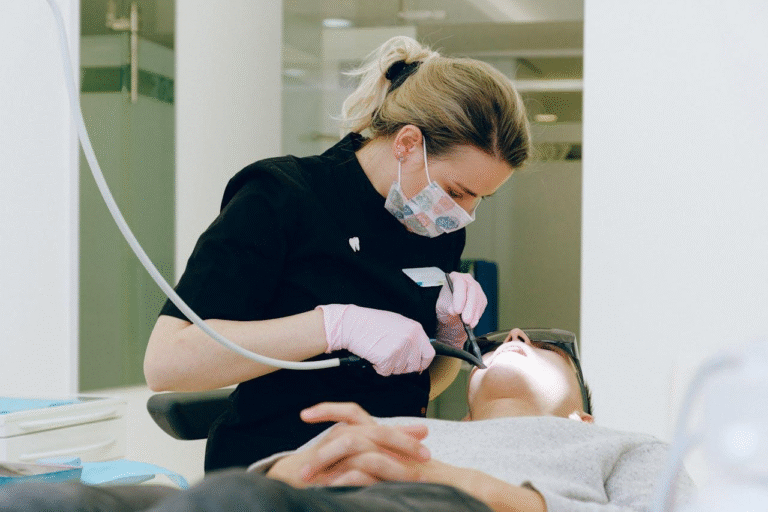
A consultation does not lock you into treatment. It is a chance to understand your options, get a sense of timeline and cost, and ask every question you have. During this visit, the orthodontist can evaluate whether orthodontic treatment for adults would meaningfully improve your bite, comfort, and appearance. You can then decide in your own time, with real information instead of guesswork.
Moving forward with a smile that finally feels like yours
You have probably carried some of these worries about your teeth for a long time. Maybe you have told yourself to live with them. Maybe you have pushed the idea of treatment aside because life has been busy, and other priorities came first.
Yet there is something powerful about choosing to care for yourself in this very visible way. Adult orthodontics is not about chasing perfection. It is about giving your teeth the support they need, easing daily strain, and allowing you to smile without that familiar hesitation.
If you recognize yourself in these four signs, consider this a gentle nudge. You are not behind. You are not “too late.” You are simply standing at a point where you can choose a different path for your mouth and your confidence. Reach out to a trusted orthodontist, ask your questions, and see what is possible for your smile now, not just what you wish had happened years ago.