You might be feeling caught between relief and worry right now. The surgery is over, the hardest part is done, yet your mind keeps circling back to the same questions. Will my pet be in pain. What exactly happens in recovery. How do I know they are really safe when I am not there. When it comes to pet care in Sumter, SC, these concerns are completely normal and shared by many pet owners.
That mix of love, fear, and guilt is very common. You trusted a veterinary hospital with your pet’s surgery, and now you want to understand how they protect your pet in the hours and days after. You also want a simple picture of what “normal” recovery looks like, and when you should be concerned.
In simple terms, here is the short version. Veterinary hospitals watch your pet closely as anesthesia wears off, manage pain with tailored medications, protect the incision, and adjust care based on how your pet responds. Once your pet is stable, they send you home with clear instructions, medication, and a plan for checkups, so you are not left guessing. The rest of this page walks through what usually happens, what can go wrong, and how you can work with your veterinary team to give your pet the safest, calmest recovery possible.
What really happens right after surgery in a veterinary hospital
The most stressful part for many people is the time they cannot see. Your pet disappears into the treatment area, and hours later you get a phone call saying, “Surgery went well, they are in recovery.” So what does that actually mean.
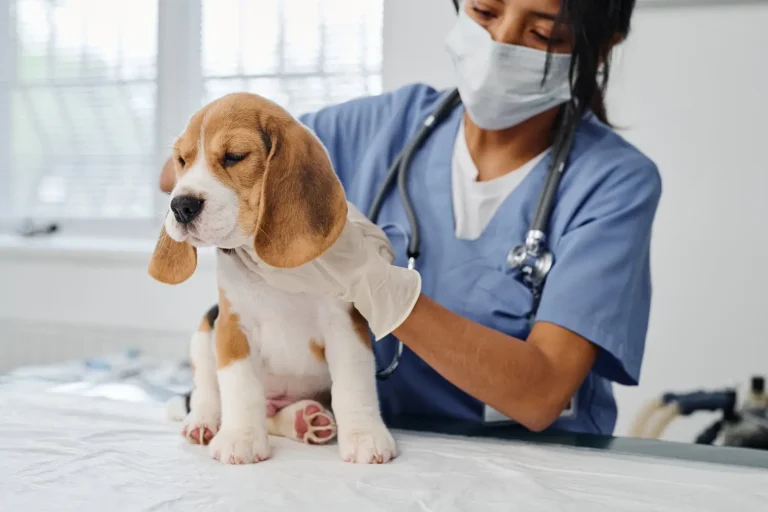
Right after the last stitch is placed, your pet is moved to a quiet recovery area. A veterinary nurse or technician stays nearby, watching heart rate, breathing, gum color, and temperature as the anesthesia wears off. In a well run veterinary hospital, this is not a “wait and see” period. It is an active phase of care where the team makes sure your pet wakes up smoothly, can swallow on their own, and does not crash in those first fragile minutes.
You may have heard stories of animals waking up disoriented or crying. That can happen. Anesthesia and pain medications can make pets vocal, restless, or wobbly. This does not always mean severe pain, but it does mean the team needs to assess them often and adjust medications. Veterinary nurses check the incision for bleeding or swelling, watch for vomiting, and monitor IV fluids. If anything looks off, the surgeon is called back to reassess.
So where does that leave you. It leaves you needing to know that recovery is a process, not a single moment. You are not being “overly anxious” for wanting details. You are being a good guardian.
Common worries about post surgery recovery and how hospitals address them
Once the immediate danger of surgery has passed, new worries tend to show up. What if my pet rips out the stitches. What if they stop eating. What if I miss a sign that something is wrong.
Veterinary hospitals have systems to prevent those problems, but they cannot remove every risk. For example, pain control is a major focus. Good pain management is not just about kindness. It also helps your pet breathe better, move more safely, and heal faster. Many hospitals use a combination of drugs, sometimes including local nerve blocks, to keep pain in check. The American College of Veterinary Surgeons offers a useful overview of what you can expect from postoperative care after surgery, including pain management and home care.
Another concern is infection. The hospital can keep the surgery site clean and apply bandages, but once your pet goes home, your environment and routine matter. That is why so much emphasis is placed on Elizabethan collars (the “cone”), activity restriction, and incision checks. It may feel like overkill when your dog is begging to run or your cat is trying to jump, yet those limits are there because small bursts of activity can pull at stitches or open a healing wound.
You might also worry about the emotional side. Many pets wake up anxious, especially in a strange place with new sounds and smells. Staff often use quiet voices, padded bedding, and sometimes mild anti anxiety medications to help sensitive animals settle. Research in veterinary recovery has started to look more closely at pain scores, anxiety, and quality of recovery, not just survival. For example, reviews of small animal postoperative care highlight the need for ongoing assessment of behavior and comfort, not just vital signs, as part of safe postoperative recovery in pets.
How does hospital care compare to home care after surgery
Because of this tension between wanting your pet home and wanting them monitored, you might wonder whether they are better off staying in the hospital longer. There is no single right answer. It depends on the surgery, your pet’s health, and your ability to follow instructions at home.
The table below compares typical hospital based care right after surgery with typical home care once your pet is discharged. It is meant to help you understand what changes, not to scare you.
| Aspect of Care | In Hospital Recovery | At Home Recovery |
| Monitoring | Frequent checks by trained staff, equipment for heart rate, oxygen, and temperature | You watch breathing, appetite, and behavior, and call if something seems wrong |
| Pain Control | IV or injectable medications, rapid adjustments if pain signs appear | Oral medications on a schedule, you track comfort and report changes |
| Environment | Quiet cage, controlled temperature, limited space to move | Familiar home, but more chances to jump, run, or lick the incision |
| Complication Response | Immediate access to vet and nursing team if bleeding, vomiting, or collapse occurs | Delay while you notice a problem and travel back to the clinic or emergency hospital |
| Stress Level | Some pets are stressed by the clinic setting and separation from you | Most pets are calmer at home, which can support healing if activity is controlled |
Recent veterinary studies, such as those summarized in peer reviewed articles on small animal surgery recovery, point out that shorter hospital stays can be safe when pain is controlled, owners are well instructed, and follow up is planned. One such review in the scientific literature, available through open access veterinary research, highlights how careful monitoring and early recognition of complications make a real difference in outcomes.
The key takeaway. The hospital handles the sharp end of risk right after surgery. You handle the steady, day to day care that keeps healing on track.
Three practical steps to support your pet’s post surgery recovery
So what can you do, starting now, to feel less helpless and more prepared.
1. Ask for a clear, written recovery plan before discharge
Do not be shy about asking the veterinary team to slow down and walk you through the plan. You are processing a lot of emotion, and it is easy to miss details. Ask for written instructions that cover medication names and times, activity limits, when to remove or keep bandages, how the incision should look, and specific signs that mean “call us now” versus “this is expected.”
It also helps to ask about your pet’s normal “baseline” after this particular surgery. For example, some grogginess and reduced appetite might be expected for 24 hours. Relentless vomiting or struggling to breathe is not. When you know the difference, you are less likely to panic or, on the other hand, to wait too long.
2. Prepare a calm, contained healing space at home
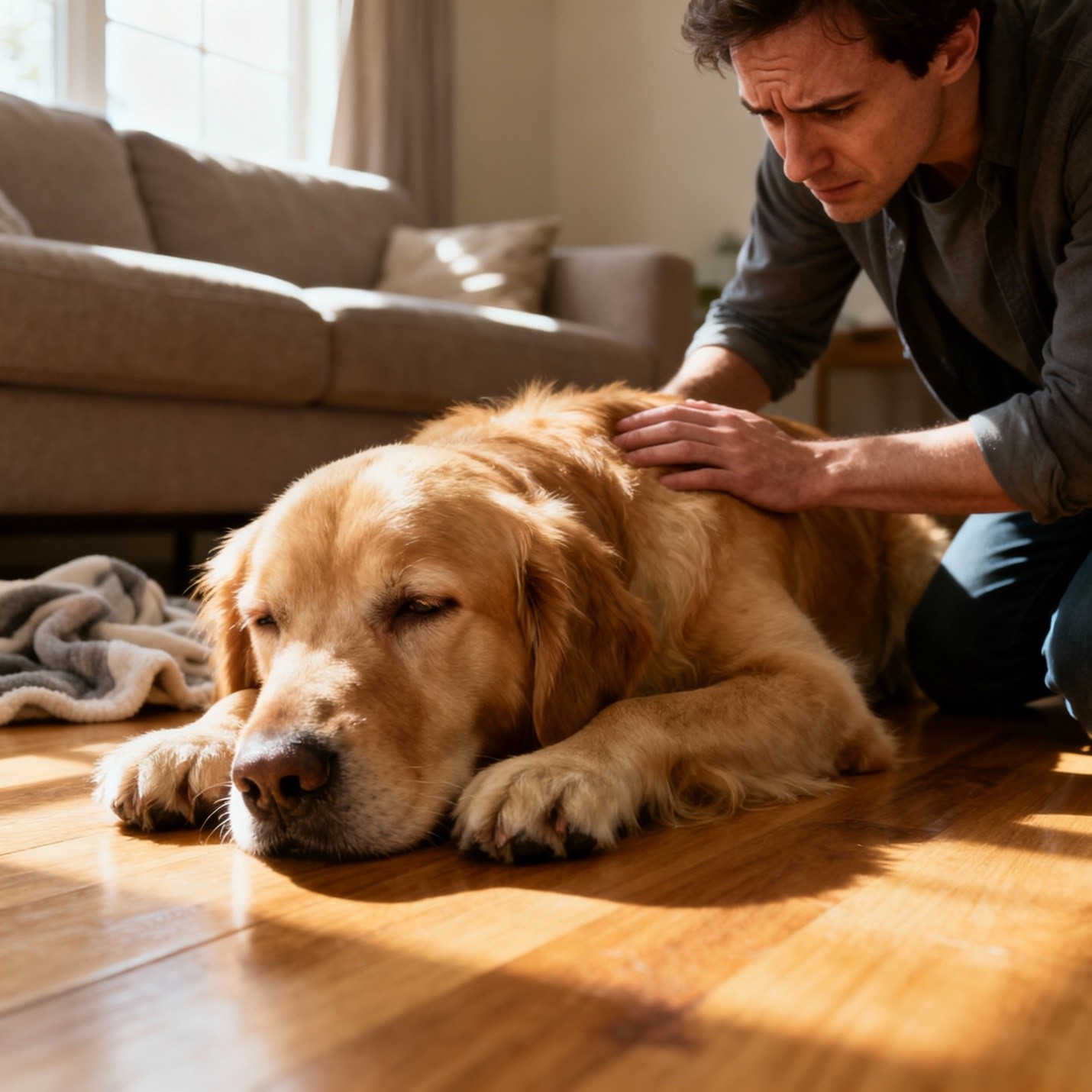
Before your pet even comes home, set up a quiet area where they cannot run, jump, or be bothered by children or other pets. This might be a crate, a small room, or a blocked off corner with a bed and water. Think about slippery floors, stairs, and furniture they usually leap onto. The more you can control their movement with the environment, the less you have to say “no” all day, which reduces stress for both of you.
Have any special supplies ready. This may include an Elizabethan collar or recovery suit, non slip rugs, a low entry litter box for cats, and soft, easily digestible food if recommended. Planning these details ahead of time turns recovery from a vague fear into a concrete routine.
3. Schedule and honor follow up checks
Follow up visits are not just a formality. They are how the veterinary team checks that the incision is healing, pain is under control, and no hidden complications are brewing. Make sure you know when the recheck is scheduled and what to watch in the meantime. Take photos of the incision daily under the same light. If something changes, you can show the clinic exactly what you are seeing.
If transportation, cost, or timing is a concern, bring that up early. Many clinics can adjust schedules, offer nurse only rechecks, or suggest telehealth check ins for simple visual checks when appropriate. You are not being difficult by asking. You are partnering in your pet’s care.
Bringing it all together so you and your pet can rest
Recovery after surgery is a shared job. The veterinary team manages the technical side of post surgery care for pets in the hospital. You provide the safe, steady home environment where real healing happens. When you understand what happens behind the clinic doors, and you know exactly what is expected of you at home, the fear softens a bit. In its place comes something quieter. A sense that you and your pet are not facing this alone.
You are allowed to ask questions. You are allowed to call if something feels off. And you are allowed to ask your veterinary hospital to slow down and explain, so that every decision about your pet’s recovery feels a little less like a leap of faith and a little more like a shared plan.