You might be feeling that your mouth is “mostly fine,” yet something still nags at you. Maybe your gums bleed a little when you brush. Maybe you ignore that dull toothache until it flares up at the worst possible moment. You are busy, you have other health concerns to juggle, and it can feel like regular dental visits with a Lower Manhattan dentist are one more thing on a very long list.end
Then there is the flip side. Perhaps you have seen what happens when dental care gets postponed for too long. A parent who lost teeth and now struggles to eat. A friend whose quiet gum disease turned into major treatment. It is easy to wonder how much of that could have been avoided, and whether your own routine care is doing enough to protect you.
Here is the short version. Your mouth is not separate from the rest of your body. Everyday dental care and regular visits to a general dentist are closely linked to heart health, diabetes control, nutrition, speech, self confidence, and even how well you sleep. Understanding how general dentistry protects your whole health can give you a calmer, more confident plan going forward.
Why does a “simple” checkup matter for your whole body?
Think about how many things pass through your mouth every day. Food, drinks, bacteria, medications, even the air you breathe. Your mouth is a gateway. When something is off there, it rarely stays local for long.
One of the biggest examples is gum disease. Early gum inflammation is easy to miss. Your gums might bleed a bit, or feel puffy, and then settle down. Over time though, that inflammation can become chronic. According to the Centers for Disease Control and Prevention, untreated gum disease is common and linked with other chronic conditions such as diabetes and heart disease. You can read more about how oral health fits into overall health on the CDC’s oral health overview.
So where does general dentistry fit in? A general dentist is often the first to spot warning signs that your body is under stress. That could be dry mouth from medications, acid erosion from reflux, or clenching and grinding from anxiety. Catching these patterns early means you can adjust course before they become bigger medical problems.
When implant services are available in the same office, a general and implant dentist can also help you rebuild your bite if you have already lost teeth. That does more than improve your smile. It can restore your ability to chew well, improve digestion, and reduce strain on your jaw and neck.
What happens when oral health is ignored or delayed?
Picture this. You notice a bit of sensitivity in one tooth when you drink something cold. You switch sides when you chew, and for a while that works. Months pass. The sensitivity turns into a sharp pain. You start avoiding certain foods. Then one weekend the tooth erupts into severe pain and swelling. Now you need an emergency visit, possibly a root canal or extraction, and time off work.
Beyond the pain, there are ripple effects. You might rely on soft, processed foods that are easier to chew, which can affect blood sugar, weight, and energy. You sleep poorly because of discomfort. You feel self conscious when you smile or speak up in meetings. A small, quiet problem in your mouth has spread into your work, your diet, your mood, and your relationships.
The same pattern often plays out with gum disease. At first, there is mild bleeding. Then the gums recede. Teeth start to loosen. Eventually, teeth may be lost. According to data highlighted by the CDC’s work on oral diseases and chronic conditions, poor oral health is strongly connected with conditions such as heart disease and stroke. Inflammation from diseased gums does not stay limited to the mouth. It travels through the bloodstream and can stress other organs.
Because of this, you might wonder whether it is even possible to “just have a dental problem” without it touching your general health. The honest answer is that the two are deeply connected. That is exactly why consistent general dental care matters so much.
How does everyday general dentistry protect your health?
Think of routine dental care for total health as a layered safety net. Each visit gives you a chance to prevent, detect, and correct issues that could affect your whole body.
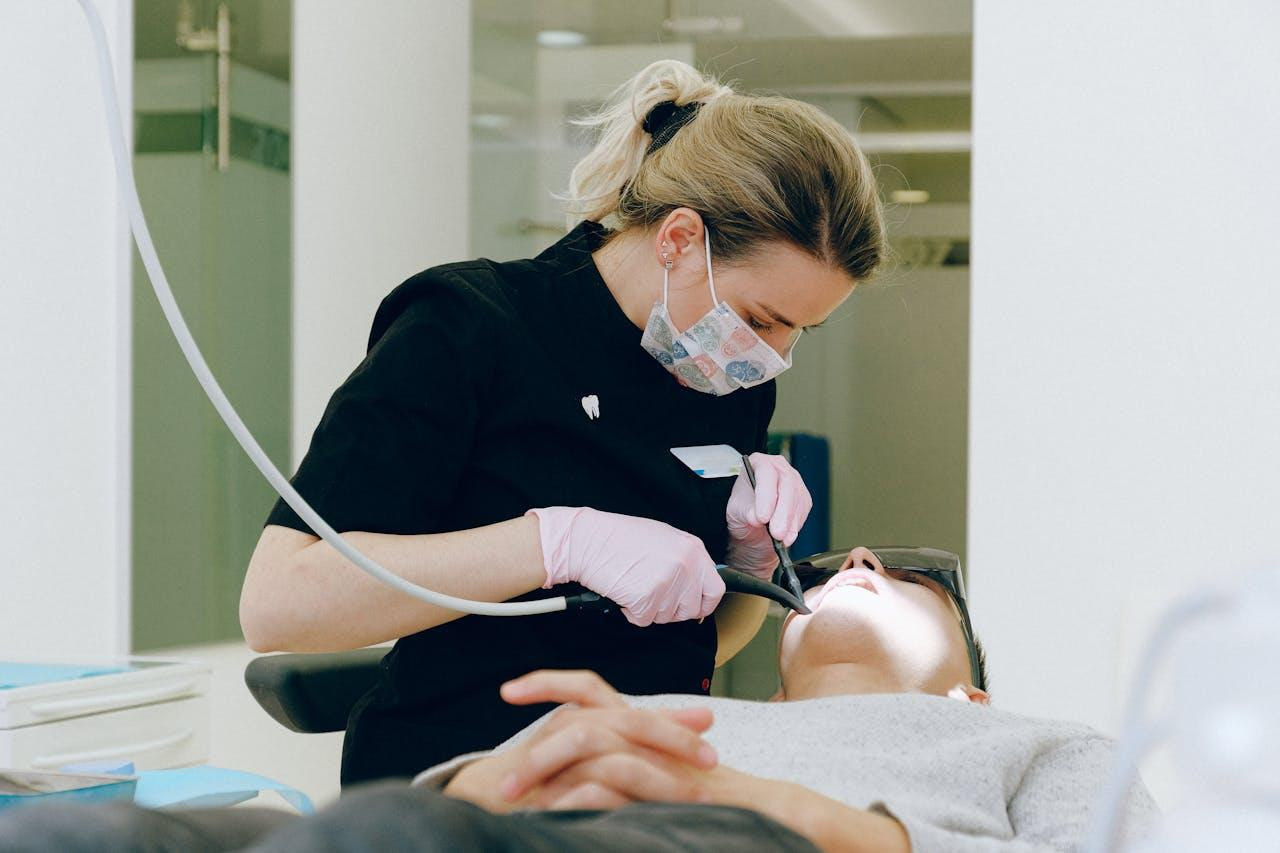
During a typical general dentistry visit, several things happen that go far beyond cleaning teeth.
- Your dentist checks for early signs of cavities, cracks, and wear that could become painful or infected.
- Your gums are examined for swelling, pockets, and bleeding that point to early or advanced gum disease.
- Your tongue, cheeks, and throat are screened for suspicious spots that could be early oral cancer.
- Your bite and jaw joints are evaluated for clenching, grinding, or misalignment that can trigger headaches and neck pain.
- Your medical history and medications are reviewed to see how they might be affecting your mouth.
If you are missing teeth, a general dentistry service that includes implant care can also look at bone levels, spacing, and overall health to see whether dental implants, bridges, or other options might help you chew more comfortably and protect remaining teeth.
Over time, this kind of steady attention can reduce the chances of infection spreading, help keep inflammation under control, and support better nutrition. It also gives you a regular forum to ask questions about dry mouth, bad breath, jaw pain, or anything else that has been quietly worrying you.
Is it worth the cost and time? A simple comparison
It is natural to think about your schedule and your budget. You might ask yourself whether skipping regular care and only going when something hurts would really be that different. Looking at the tradeoffs side by side can help.
| Approach | Short Term Experience | Long Term Health Impact | Typical Financial Impact |
| Regular general dentistry visits | Small time commitment a few times a year. Mild, brief discomfort during cleanings. | Lower risk of tooth loss and gum disease. Better support for heart health, diabetes control, and nutrition. | Predictable, smaller costs for exams, cleanings, and early treatments. |
| “Only go when it hurts” approach | No visits until pain or swelling forces action. Higher stress during emergencies. | Higher risk of advanced decay, infection, tooth loss, and related medical issues. | Larger, unpredictable bills for root canals, extractions, implants, or emergency care. |
Seen this way, general dentistry is not just about cleaning teeth. It is about trading small, planned efforts now for a much calmer and more stable future.
Three steps you can take right now to support your oral and overall health
1. Schedule a thorough dental checkup, even if you feel “mostly fine”
If it has been more than six months since your last visit, or if you cannot remember your last full exam, now is the time. When you call, mention any health conditions you have, such as diabetes, heart disease, pregnancy, or autoimmune issues. Ask for enough time for a full exam, gum assessment, and cleaning. A general dentist can then tailor advice and treatment to your specific health picture, not just your teeth.
2. Create a simple daily routine that protects your gums
Focus on the basics. Brush twice a day with fluoride toothpaste. Floss once a day, even if it feels awkward at first. If your gums bleed, do not stop. Bleeding is a sign they need more gentle, regular care, not less. If you smoke or vape, be honest with your dentist. Tobacco and nicotine products sharply increase your risk of gum disease and oral cancer, and your care plan should reflect that reality.
3. Pay attention to “small” mouth changes and bring them up early
Do not ignore warning signs. Persistent bad breath, a sore that does not heal in two weeks, sudden tooth sensitivity, or clicking in your jaw are all worth mentioning. Early conversation often leads to simple solutions. Waiting can turn a minor concern into a major treatment. Keeping a small note on your phone of anything unusual in your mouth can help you remember to ask about it at your next visit.
Moving forward with more confidence and less fear
You do not need perfect teeth to protect your health. You do not need to fix everything at once. What you need is a steady relationship with a trusted general dentist who understands that your mouth is part of your whole body, and who works with you at a pace and budget you can handle.
Every checkup, every cleaning, every honest conversation about your habits and concerns is a step toward fewer surprises, less pain, and better overall health. You deserve that kind of steady support, and it starts with choosing to make your oral health a regular part of caring for yourself.