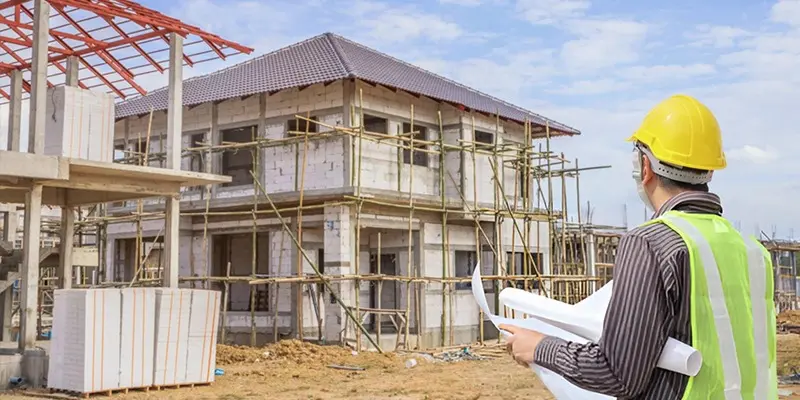
In today’s evolving housing market, homeowners are increasingly seeking professional assistance to upgrade, redesign, and enhance their living spaces. The demand for skilled professionals in construction and remodeling has grown significantly, especially in urban regions where modern lifestyles require functional and aesthetically pleasing homes. In this context, Residential General Contractors Denver represents a wide network of experienced professionals specializing in home improvement, renovation, and custom remodeling solutions designed to meet diverse homeowner needs. These experts play a vital role in transforming outdated properties into modern, comfortable, and efficient living environments. From small renovation projects to complete home transformations, residential contractors ensure that every detail is executed with precision and care. Their work not only improves the visual appeal of homes but also enhances structural integrity and long-term value. As homeowners continue to invest in property upgrades, the role of residential contractors becomes even more essential in delivering quality craftsmanship and reliable project management.
What Do Residential General Contractors in Denver Do?
Residential contractors are responsible for managing and executing a wide range of home construction and remodeling projects. Their services include kitchen remodeling, bathroom renovations, basement finishing, roofing upgrades, flooring installation, and complete home additions. They oversee every stage of the project, from initial planning and design to final inspection and completion. One of their primary responsibilities is coordinating different trades such as electricians, plumbers, carpenters, and painters to ensure smooth workflow. They also manage permits, inspections, and compliance with local building codes. By handling all these aspects, residential contractors provide homeowners with a hassle-free experience. Their expertise ensures that projects are completed on time, within budget, and according to quality standards.
Why Are Residential Contractors Important for Homeowners?
Hiring professional contractors is essential for ensuring safety, efficiency, and quality in any home improvement project. Residential properties require careful planning and execution to avoid structural issues and costly mistakes. Contractors bring experience and technical knowledge that help homeowners make informed decisions about design, materials, and budgeting. They also ensure that construction work complies with safety regulations and local building codes. Without professional guidance, homeowners may face delays, unexpected expenses, and substandard results. Contractors also help maximize property value by implementing modern design trends and high-quality finishes. This makes their role indispensable in both small renovations and large-scale home improvement projects.
What Services Do Residential General Contractors Offer?
Residential general contractors provide a wide variety of services tailored to meet the specific needs of homeowners. These services include custom home construction, interior remodeling, exterior renovations, structural repairs, and home expansions. Kitchen remodeling services often involve installing new cabinetry, countertops, lighting systems, and modern appliances. Bathroom renovations focus on improving functionality with updated fixtures, tiling, and plumbing systems. Basement finishing services transform unused spaces into functional areas such as entertainment rooms, home offices, or guest suites. Exterior services include roofing, siding, deck construction, and landscaping improvements. Contractors also offer design consultation services, helping homeowners visualize their projects before construction begins. This comprehensive approach ensures that every aspect of home improvement is professionally managed.
How Does the Home Remodeling Process Work?
The home remodeling process typically begins with an initial consultation where homeowners discuss their ideas, needs, and budget with the contractor. This is followed by a site evaluation to assess the current condition of the property. Based on this information, contractors develop a detailed design plan and project estimate. Once the plan is approved, necessary permits are obtained to ensure compliance with local regulations. Construction work then begins, starting with demolition (if required), followed by structural changes, installations, and finishing work. Throughout the process, contractors maintain regular communication with homeowners to provide updates and address concerns. Final inspections are conducted to ensure that the project meets quality standards and building codes before completion.
What Factors Influence Remodeling Costs?
Several factors affect the overall cost of residential remodeling projects. The size and complexity of the project play a major role in determining expenses. Larger projects that involve structural changes or full home renovations naturally cost more. Material selection is another significant factor, as high-quality materials tend to increase costs but offer better durability and aesthetics. Labor costs also vary depending on the expertise required and the duration of the project. Additionally, design complexity, permit fees, and location-specific regulations can influence the final budget. Unexpected issues such as hidden structural damage or plumbing problems may also increase costs during the remodeling process. Proper planning and budgeting help homeowners manage expenses effectively and avoid financial surprises.
How to Choose the Right Residential Contractor?
Selecting the right contractor is one of the most important decisions in any home improvement project. Homeowners should start by researching contractors with proven experience and positive reputations. Reviewing past projects helps assess the quality of their work and design capabilities. Clear communication is essential, as it ensures that both parties understand project expectations. Transparency in pricing and contract terms helps avoid misunderstandings and hidden costs. Checking licenses, certifications, and insurance coverage is also important to ensure legal compliance and protection. A reliable contractor should provide a detailed project timeline and maintain regular updates throughout the construction process. Choosing the right professional ensures a smooth, stress-free remodeling experience.
What Are the Benefits of Custom Home Remodeling?
Custom home remodeling offers numerous benefits that go beyond simple aesthetic improvements. One of the most significant advantages is increased property value, as modern and well-designed homes attract higher market interest. Remodeling also enhances comfort and functionality by optimizing space usage and improving layout efficiency. Homeowners can customize their living spaces according to personal preferences, lifestyle needs, and family requirements. Energy efficiency is another important benefit, as modern upgrades often include better insulation, windows, and appliances that reduce utility costs. Remodeling also allows homeowners to repair structural issues and extend the lifespan of their property. Overall, custom remodeling transforms outdated homes into modern, efficient, and comfortable living environments.
How Do Contractors Ensure Quality Workmanship?
Quality workmanship is achieved through careful planning, skilled labor, and strict quality control measures. Contractors use high-quality materials and follow industry standards to ensure durability and safety. Regular inspections are conducted throughout the project to identify and correct any issues early. Skilled professionals handle each stage of construction, ensuring precision and attention to detail. Advanced tools and techniques are used to improve efficiency and accuracy. Contractors also maintain strong communication with clients to ensure that expectations are met. This commitment to quality ensures that the final result is both visually appealing and structurally sound.
What Is the Role of Design in Home Improvement?
Design plays a crucial role in residential remodeling projects. A well-planned design enhances both functionality and aesthetics, ensuring that spaces are practical and visually appealing. Contractors often work closely with designers to create layouts that maximize space utilization and improve flow. Design considerations include lighting, color schemes, material selection, and furniture placement. Modern design trends focus on open floor plans, energy efficiency, and minimalist aesthetics. Good design also ensures that the home reflects the personality and lifestyle of the homeowner. By integrating design with construction, contractors create spaces that are both beautiful and functional.
How Does Residential Construction Impact Property Value?
Residential construction and remodeling have a significant impact on property value. Upgraded homes with modern features and improved layouts tend to attract higher buyer interest in the real estate market. Renovations such as kitchen upgrades, bathroom remodeling, and energy-efficient improvements offer strong returns on investment. Structural improvements also increase safety and durability, making properties more desirable. Well-maintained and modernized homes stand out in competitive markets, leading to faster sales and better pricing. This makes residential construction a valuable investment for homeowners looking to enhance both comfort and financial returns.
What Is the Future of Residential Contracting in Denver?
The future of residential contracting is expected to be shaped by innovation, sustainability, and advanced technology. Green building practices are becoming increasingly important, with a focus on energy efficiency and environmentally friendly materials. Smart home technologies are also gaining popularity, allowing homeowners to control lighting, security, and climate systems digitally. Contractors are adopting modern project management tools to improve efficiency and communication. As urban development continues to grow, the demand for skilled residential contractors will remain strong. This evolution ensures that the industry continues to deliver high-quality, sustainable, and innovative housing solutions.
Conclusion
Residential construction and remodeling services play a vital role in improving modern living standards. With a strong focus on quality, design, and functionality, residential contractors provide homeowners with reliable solutions for transforming their properties. From small upgrades to complete home renovations, their expertise ensures that every project is completed with precision and care. As the industry continues to evolve, advancements in technology and sustainable practices will further enhance the quality and efficiency of residential construction, creating better living environments for future generations.