Commercial buildings are expected to do more than simply provide shelter. They need to support employee wellbeing, create positive customer experiences, and help businesses operate efficiently regardless of the season. Yet many organisations underestimate how much indoor comfort influences day-to-day performance.
From rising summer temperatures to cold winter mornings, maintaining a pleasant environment requires more than simply turning heating or cooling systems on and off. Businesses that take a proactive approach to indoor comfort often see benefits that extend far beyond temperature control.
Why Workplace Comfort Has Become a Business Priority
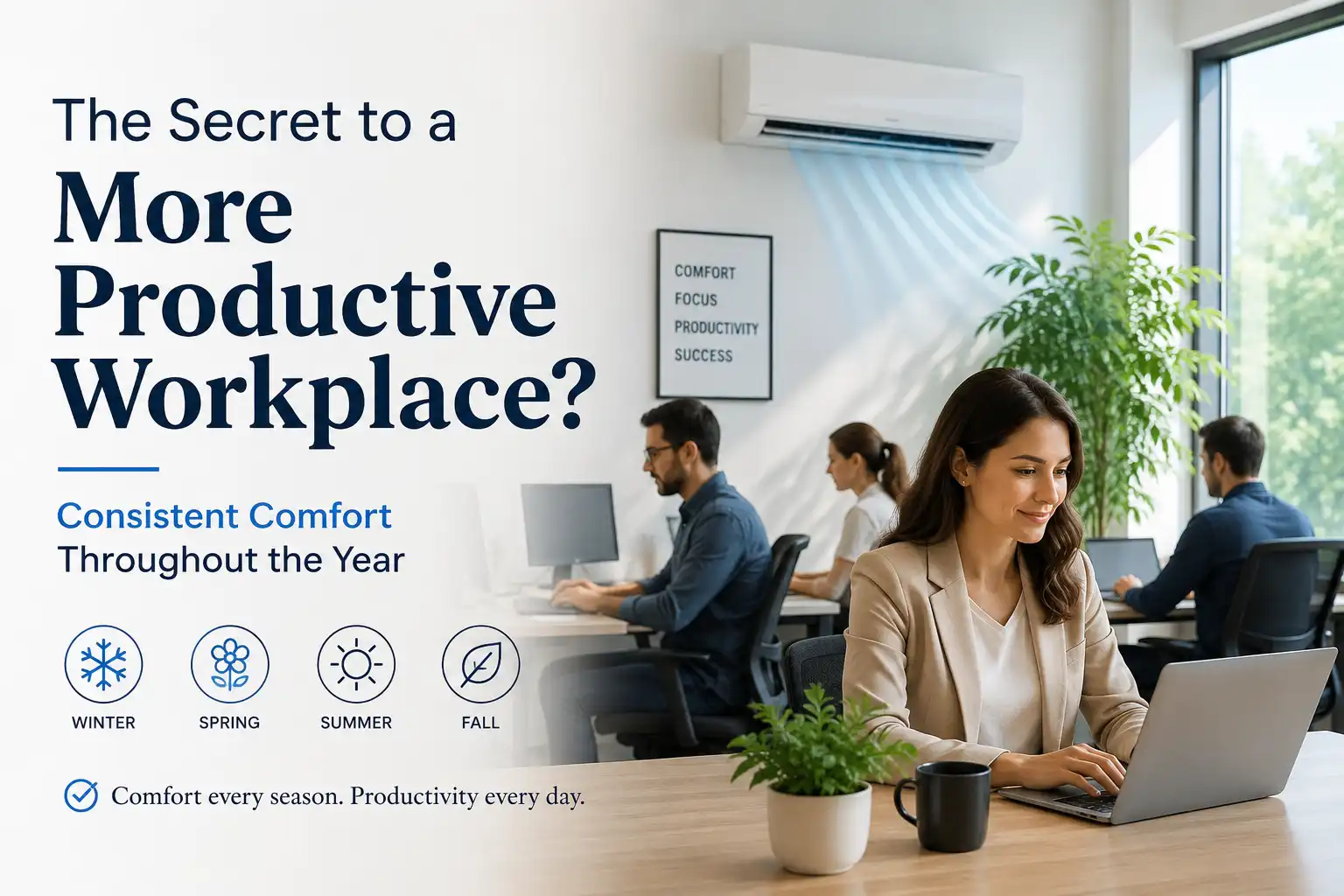
Employee expectations have evolved significantly in recent years. Workers increasingly value environments that support their wellbeing and help them perform at their best.
Uncomfortable temperatures can quickly become a distraction. Excessive heat may lead to fatigue and reduced concentration, while cold conditions can affect focus and morale. Customers and visitors are equally influenced by their surroundings, making comfort an important factor for businesses that rely on footfall and client interactions.
Creating a consistently comfortable environment helps people feel more engaged, productive, and satisfied during their time within a building.
Looking Beyond the Thermostat
Many organisations focus solely on temperature when considering workplace comfort, but indoor air quality deserves equal attention.
Fresh air circulation helps remove stale air, manage humidity levels, and create a healthier environment for occupants. Poor ventilation can contribute to discomfort, reduced concentration, and an overall decline in workplace satisfaction.
A well-designed ventilation strategy ensures that employees and visitors benefit from cleaner, fresher air throughout the year, helping spaces feel more inviting and enjoyable to occupy.
Smarter Cooling for Modern Commercial Buildings
Cooling large commercial spaces efficiently can be challenging, particularly in warehouses, manufacturing facilities, and open-plan environments.
Businesses looking to improve efficiency are increasingly exploring alternatives to traditional air conditioning. One option is evaporative cooling, which uses the natural process of water evaporation to lower air temperatures while continuously introducing fresh air into the building.
For many commercial environments, this approach can provide effective cooling while helping to reduce energy consumption and operating costs compared to more conventional cooling systems.
Different Buildings, Different Comfort Requirements
A retail store, office, warehouse, and production facility all operate differently, which means their comfort requirements vary considerably.
Offices typically require stable temperatures that support concentration and productivity. Retail environments benefit from conditions that encourage customers to spend more time browsing. Industrial spaces often need cooling solutions capable of handling heat generated by machinery, equipment, and operational processes.
Understanding how a space is used is essential when selecting systems that will deliver effective results throughout the year.
Preventing Small Problems from Becoming Expensive Ones
Comfort systems perform best when they receive regular attention.
Ventilation equipment, cooling systems, and air handling units can gradually lose efficiency if maintenance is neglected. Filters become clogged, components wear out, and airflow can become restricted.
Routine inspections and preventative maintenance help businesses avoid unexpected breakdowns, improve efficiency, and maintain consistent indoor conditions. This approach often reduces long-term operating costs while extending the lifespan of equipment.
Using Technology to Fine-Tune the Indoor Environment
Modern building technology gives organisations greater control over indoor conditions than ever before.
Smart monitoring systems can track temperature, humidity, occupancy levels, and energy consumption throughout a building. Automated controls can then adjust settings based on real-time demand, helping maintain comfort while minimising unnecessary energy use.
These insights allow facilities teams to make informed decisions that improve both efficiency and occupant satisfaction.
Building Spaces People Actually Enjoy Using
The most successful commercial environments are those that people barely notice because everything simply feels right.
When temperatures remain comfortable, air quality is high, and systems operate reliably, employees can focus on their work, and customers can focus on their experience. Comfort becomes an invisible advantage that supports productivity, wellbeing, and operational success.
As businesses continue to balance performance, sustainability, and employee expectations, creating comfortable indoor environments throughout the year is becoming one of the smartest investments a commercial property can make.