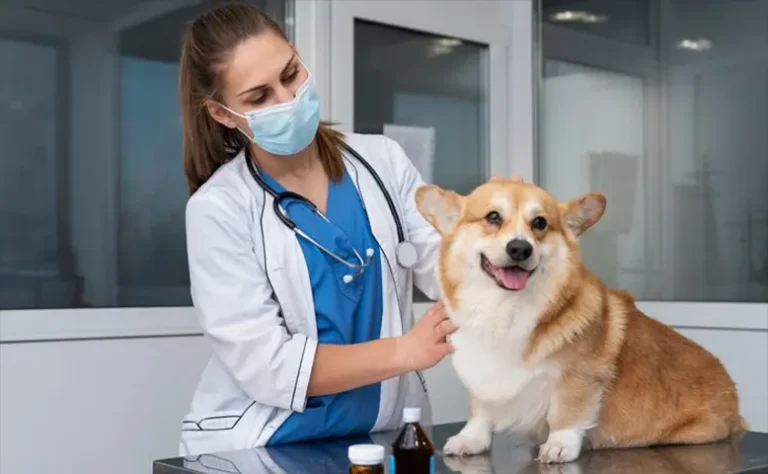
You might be feeling a little torn every time you scoop food into your pet’s bowl. The bag says one thing, the internet says another, and your pet’s body is giving you its own confusing signals. Maybe your dog is gaining weight even though you have cut back on treats, or your cat is always hungry yet still throwing up or having loose stools. A Bartlett veterinarian can help you sort through the noise so you can feel confident in your choices. You care deeply, you are trying, and it still feels like guesswork.
That gap between how hard you try and how unsure you feel is exactly where nutrition counseling at an animal hospital can change things. With the right guidance, your pet’s food stops being a daily worry and becomes one of the strongest tools you have to protect their health, manage disease, and support a longer, more comfortable life.
In simple terms, nutrition counseling helps you choose and feed the right diet in the right amount at the right time of life. It can prevent weight gain, support medical treatment, and give you a clear plan, so you are not left reading labels in the pet food aisle feeling alone. When your veterinary team uses nutrition as part of routine care, it often becomes the first line of prevention, not a last resort once problems appear.
Why does pet nutrition feel so confusing, and what is really at stake?
For many pet owners, it starts with something small. Your dog seems a little slower on walks. Your cat cannot jump quite as high as before. You look closer and realize there is extra padding over the ribs or a belly that sways more than it used to. You might shrug it off at first. Then you start hearing about “obesity” and “joint disease” and “diabetes,” and the worry creeps in.
The emotional side is real. It is hard to cut back food or treats when your pet looks at you with big, hopeful eyes. Food is part of how you show love. So when a veterinarian says your pet needs to lose weight or change diets, it can feel like you are being told you did something wrong, even when you were doing your best with the information you had.
On top of that comes the financial tension. Special diets can cost more. Buying multiple foods in a multi pet home gets complicated. You may wonder if this is truly necessary or just a marketing push. So where does that leave you?
It helps to remember that this is not about blame. It is about biology. Extra weight increases the risk of arthritis, heart disease, breathing problems, and some cancers. According to resources supported by the FDA and AAHA, even mild overweight status can shorten a pet’s life. You can read more about how weight affects health in the AAHA nutritional assessment guidance discussed in this FDA article on helping pets live healthier, thinner lives.
At the same time, underfeeding or feeding an unbalanced diet can cause its own set of problems. Home cooked meals that are not properly formulated can lack key nutrients like calcium, taurine, or essential fatty acids. Growing puppies and kittens can develop bone problems if their diets are not appropriate for growth. Senior pets with kidney or heart disease may get worse faster if they are on the wrong type of food.
This is why thoughtful, structured pet nutrition guidance at animal hospitals matters so much. It turns a tangle of emotion, marketing, and guesswork into a plan grounded in your pet’s age, breed, lifestyle, and medical history.
How does nutrition counseling at an animal hospital actually work?
You might picture a quick “What are you feeding?” chat at the end of an exam. True nutrition counseling goes much deeper. Many practices follow established frameworks like the WSAVA Global Nutrition Guidelines, which walk veterinarians through a structured nutritional assessment for every patient.
That assessment usually includes your pet’s body condition score, muscle condition, weight history, current diet brand and amount, treats and table food, and any supplements. It also takes into account medical conditions like allergies, kidney disease, urinary issues, pancreatitis, or gastrointestinal sensitivities.
From there, your veterinary team can recommend a specific diet type, feeding amount, and schedule. They may suggest a therapeutic diet for conditions like kidney disease or joint disease, or a carefully chosen over the counter diet for healthy pets. They will usually help you set a target weight and timeline if weight loss is needed. This kind of structured approach is why many experts call nutrition the “first step in preventive care,” as described in this AAHA resource on nutrition as the first step in preventive care.
So, what does this look like in everyday life?
Picture a middle aged indoor cat who weighs a little more every year. Her owner figures she is just “fluffy.” During a visit, the veterinarian performs a nutritional assessment and finds she is several pounds over her ideal weight. The team calculates a safe weight loss plan, chooses a calorie controlled diet, and sets up check ins every few weeks. Over several months, the cat slowly loses weight, has more energy, and is less likely to develop diabetes or severe arthritis later on.
Or imagine a senior dog with early kidney disease. Instead of waiting for the disease to worsen, the veterinarian recommends a kidney friendly diet with adjusted protein, phosphorus, and omega 3 fatty acids. That change alone can slow the progression of disease and improve quality of life.
In both cases, nutrition counseling at the animal hospital is not “extra.” It is part of medical care, just like vaccines or blood tests.
Is DIY feeding enough, or do you need professional guidance?
You may be wondering if you really need formal counseling, especially if you already read labels and research online. To help sort this out, it can be useful to compare common approaches.
| Approach | What it looks like | Benefits | Risks or limits | When nutrition counseling adds value |
| DIY based on marketing and online advice | Choosing food by brand reputation, packaging, or trends like grain free or raw | Easy and quick. Feels flexible and under your control. | May not match your pet’s specific needs. Higher risk of unbalanced diets or unnecessary restrictions. | Helps verify if the diet meets standards. Aligns choices with your pet’s age, breed, and health. |
| Home cooked without veterinary input | Cooking meals from recipes found online or shared by others | Can feel more natural. Allows control over ingredients. | High risk of nutrient deficiencies or imbalances. Time consuming. May worsen some medical conditions. | Veterinary nutrition support can ensure recipes are properly formulated and safe long term. |
| Professional nutrition counseling at an animal hospital | Structured assessment, diet choice, and follow up with your veterinary team | Tailored to your pet’s medical history. Uses evidence based guidelines. Adjusts over time. | Requires appointments and sometimes higher food cost. Needs your consistency at home. | Especially helpful for pets with disease, weight issues, or life stage transitions. |
This comparison is not meant to scare you away from trying to make good choices on your own. It is meant to show that professional input can turn a “good guess” into a reliable plan, especially when your pet has special needs.
Three practical steps you can take right now
1. Start with an honest diet history
Before your next visit to the animal hospital, write down everything your pet eats in a typical week. Include the main food brand and flavor, exact amount, treats, table scraps, chews, supplements, and anything your pet “steals.” This kind of honest record gives your veterinary team a clear starting point for meaningful veterinary nutrition counseling. It also helps you see patterns you might not notice day to day.
2. Ask for a formal nutritional assessment
During your pet’s appointment, ask your veterinarian to perform a full nutritional assessment, not just a quick comment about weight. Request a body condition score and muscle condition score. Ask what your pet’s ideal weight is and how long it should take to reach it. If your pet has a medical condition, ask which diet types are recommended and which should be avoided. This turns a vague “feed less” suggestion into a clear, realistic plan.
3. Commit to small, trackable changes
Once you and your veterinary team agree on a plan, choose one or two changes you can realistically keep up with. That might be using a measuring cup instead of guessing, switching to a recommended diet over a week, or cutting treats in half. Weigh your pet regularly at the animal hospital or on a home scale if safe. Track changes in energy, coat quality, mobility, and stool. Small, consistent steps matter far more than big, short lived efforts.
Bringing it all together for your pet’s future health
Feeding your pet should not feel like a constant worry or a puzzle you have to solve alone. When you use nutrition counseling at your animal hospital as part of routine care, you give yourself something powerful. You replace guesswork with guidance, and you turn every meal into an opportunity to protect your pet’s health.
You do not need to overhaul everything overnight. Start with a conversation, a written diet history, and a willingness to adjust. From there, your veterinary team can help you build a simple, sustainable plan that fits both your pet’s needs and your everyday life.
Your pet already trusts you completely. With thoughtful nutrition counseling supporting you, you can trust that what you put in their bowl is truly working for them, not against them.