When people think about trailer safety, they usually focus on the big parts first. Brakes, tyres, couplings, suspension, lights, and safety chains often get most of the attention. However, some of the smaller components are just as important. U-bolts are a good example.
U-bolts may look simple, but they play an important role in holding trailer suspension and axle parts securely in place. If they are worn, loose, rusted, stretched, or incorrectly fitted, the trailer may not handle properly. In worse cases, suspension movement can become unsafe, especially when towing heavy loads or travelling on uneven roads.
For trailer owners, farmers, tradespeople, caravan users, and anyone who depends on a reliable towing setup, quality U-Bolts and Kits can make a real difference. They help keep important trailer components clamped firmly together, giving the suspension system the support it needs during everyday use.
What Are U-Bolts?
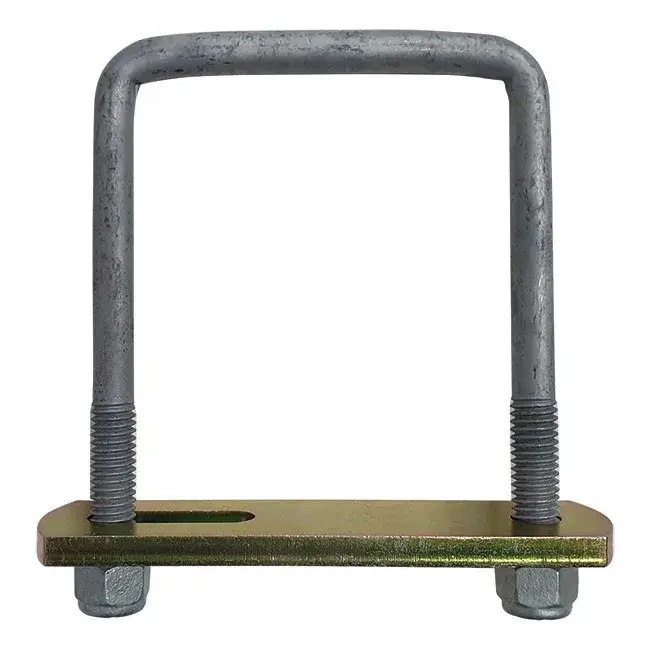
A U-bolt is a bolt shaped like the letter “U” with threaded ends on both sides. The threaded legs allow nuts and washers to be tightened onto the bolt, clamping components together.
In trailer applications, U-bolts are often used around axles, springs, brackets, plates, and suspension assemblies. Their shape allows them to wrap around round or square sections, such as trailer axles, and hold them securely against another component.
Although they are small compared to many other trailer parts, U-bolts carry a lot of responsibility. They are often exposed to vibration, road shock, water, dust, mud, and heavy loads. Because of this, choosing the right U-bolt kit is not something that should be treated casually.
Why U-Bolts Matter on Trailers
The main job of a U-bolt is to hold parts together under pressure. On a trailer, this is especially important because the suspension system is constantly moving. Every bump in the road, every turn, and every load shift creates force through the axle and springs.
If the U-bolts are tight, correctly matched, and in good condition, they help keep everything aligned. If they are loose or damaged, the axle may shift slightly, the suspension may not work properly, and other components may start wearing faster.
This is why U-bolts are often replaced when suspension work is done. Once they have been tightened and used under load, they may stretch slightly. Reusing old U-bolts is not always recommended, especially if they show signs of rust, thread damage, or wear.
Common Uses for U-Bolts and Kits
U-bolts are used in many trailer setups, but their most common role is in the suspension and axle area.
Trailer Axle Mounting
One of the most common uses is securing the trailer axle to the spring pack or suspension assembly. The U-bolt wraps around the axle and tightens through a plate, helping hold the axle firmly in position.
This is important for alignment and load support. If the axle is not clamped correctly, the trailer may tow poorly, tyres may wear unevenly, and the suspension may become unsafe.
Leaf Spring Suspension
Many trailers use leaf spring suspension because it is simple, strong, and practical. U-bolts are commonly used to clamp the spring and axle together. In this setup, they help maintain the correct relationship between the spring pack and the axle.
For trailers carrying tools, machinery, livestock, boats, or general loads, this connection needs to be strong and secure.
Brackets and Mounting Plates
U-bolts are also used with brackets, plates, and other mounting hardware. A U-bolt kit may include the U-bolt itself, nuts, washers, and sometimes a clamp plate or related parts depending on the application.
Buying a kit can be easier than buying separate parts because the components are designed to work together.
Round U-Bolts vs Square U-Bolts
U-bolts are available in different shapes, and the right choice depends on the shape of the component being clamped.
Round U-bolts are commonly used around round axles, pipes, or bars. Their curved shape allows them to sit neatly around a circular surface.
Square U-bolts are designed for square or rectangular sections. On trailers, square U-bolts are often used with square axles or square mounting sections.
Using the wrong shape can create poor contact and uneven pressure. For example, a round U-bolt may not sit correctly on a square axle, while a square U-bolt may not clamp evenly around a round axle. The better the fit, the more secure the connection.
What Comes in a U-Bolt Kit?
A U-bolt kit usually includes the main parts needed for a specific installation or replacement. The exact contents can vary depending on the trailer setup and product type, but a kit commonly includes U-bolts, nuts, washers, and sometimes clamp plates or brackets.
The advantage of buying a kit is convenience. Instead of trying to match separate parts one by one, a kit helps ensure the components are compatible. This is useful for trailer owners who want a cleaner and more straightforward replacement.
However, it is still important to check measurements carefully. A kit must match the axle size, spring setup, plate design, and thread requirements. Even a small sizing mistake can make installation difficult or unsafe.
How to Choose the Right U-Bolts and Kits
Choosing U-bolts is not only about finding something that looks similar to the old part. Several details matter.
Measure the Axle or Mounting Section
Start by measuring the part the U-bolt will wrap around. This could be a round axle, square axle, or another mounting section. You need the correct inside width and length so the U-bolt fits properly.
A U-bolt that is too narrow will not fit. A U-bolt that is too wide may not clamp correctly. A U-bolt that is too short may not provide enough thread engagement, while one that is too long can be awkward or unsuitable for the setup.
Check the Thread Size
Thread size matters because the nuts must match correctly. Damaged or mismatched threads can reduce clamping strength and make the installation unsafe.
When replacing U-bolts, it is best to use new matching nuts and washers rather than relying on old hardware.
Consider the Trailer Load
A small domestic trailer and a heavy-duty work trailer do not place the same demands on suspension hardware. The U-bolts should be suitable for the trailer’s load rating and intended use.
If the trailer regularly carries heavy equipment, livestock, building materials, or commercial loads, the hardware needs to be strong enough for repeated use.
Choose the Right Finish
Galvanised U-bolts are popular for trailers because they provide protection against corrosion. Trailers are often exposed to rain, road spray, mud, and outdoor storage conditions, so corrosion resistance matters.
This is especially important for boat trailers, farm trailers, and work trailers that spend a lot of time outside.
Signs Your U-Bolts May Need Replacing
U-bolts should be inspected regularly, especially on trailers used for work or heavy towing. Some warning signs are easy to notice.
Rust is one of the most common signs. Light surface rust may not always mean immediate failure, but heavy corrosion can weaken the bolt and make removal difficult.
Loose nuts are another warning sign. If the nuts have moved or the U-bolt no longer feels tight, the suspension connection may not be secure.
Bent U-bolts should also be replaced. A U-bolt is designed to clamp in a specific shape. If it is bent out of shape, it may not apply pressure evenly.
Damaged threads are also a problem. If the threads are stripped, crushed, or badly worn, the nut may not tighten properly.
Unusual trailer movement, clunking noises, uneven tyre wear, or visible axle movement can also suggest a suspension issue that needs inspection.
Installation Tips for U-Bolts
U-bolts must be installed carefully because they are part of a load-bearing system. The trailer should be safely supported before any suspension work begins. Never rely only on a jack when working under or around a trailer.
The U-bolts should be positioned evenly, and the nuts should be tightened in a balanced pattern. Uneven tightening can place more pressure on one side than the other.
Correct torque is also important. If the nuts are too loose, the parts may move. If they are overtightened, the bolt or threads may be damaged. Always follow the recommended torque settings for the specific trailer and hardware.
After installation, it is wise to recheck the U-bolts after the trailer has been used. New hardware may settle slightly after the first few trips, especially under load.
Why Quality Matters
U-bolts are not decorative parts. They are working components that help hold the trailer’s suspension system together. Poor-quality hardware can stretch, rust, loosen, or fail earlier than expected.
A good U-bolt kit gives better confidence because the parts are made for the job. For trailers that carry valuable equipment, animals, or heavy loads, it makes sense to use reliable hardware rather than taking chances with worn or unsuitable parts.
Quality also matters because U-bolts are often difficult to inspect while towing. You may not notice a problem until the trailer starts making noise, pulling unevenly, or wearing tyres incorrectly. Using the correct parts from the beginning helps reduce that risk.
Final Thoughts
U-bolts and kits may be small compared to axles, springs, and wheels, but they are essential to trailer safety and performance. They help keep suspension and axle components firmly clamped, aligned, and ready for regular towing.
The right U-bolt should match the axle shape, size, thread type, trailer load, and installation requirements. It should also be corrosion-resistant and fitted with suitable nuts, washers, and plates where needed.
For anyone maintaining, repairing, or upgrading a trailer, choosing the correct U-bolts and kits is a practical step toward safer towing. When these parts are properly selected and installed, they help the trailer stay stable, secure, and ready for the road.