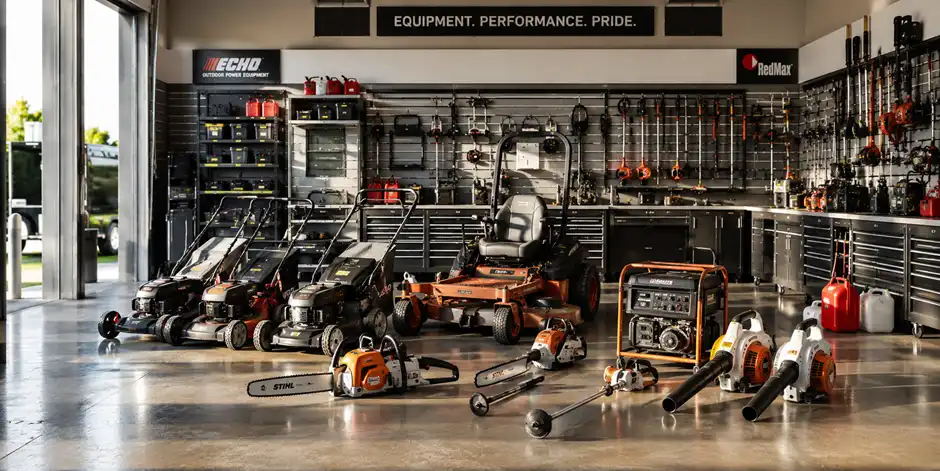
Outdoor power equipment plays an important role in property maintenance, landscaping, construction, agriculture, and a wide range of commercial operations. Whether it is a lawn mower, chainsaw, water pump, generator, or brush cutter, the quality of the equipment you choose can directly affect productivity, maintenance costs, and overall performance.
Many buyers focus primarily on price when shopping for outdoor power equipment. While staying within budget is important, choosing equipment based solely on cost often leads to frequent repairs, downtime, and premature replacement. Investing in durable equipment from the start can save both time and money over the long term.
Understanding what makes outdoor power equipment reliable can help buyers make better decisions and avoid costly mistakes.
Why Durability Matters
Outdoor power equipment operates in demanding conditions. Machines are often exposed to dust, moisture, heat, uneven terrain, and continuous workloads. Unlike tools used occasionally indoors, outdoor equipment is expected to perform consistently despite challenging environments.
When equipment fails unexpectedly, the consequences can extend beyond repair expenses. Delays in maintenance schedules, interrupted projects, and reduced productivity can all impact operations. For businesses that rely on equipment daily, even a few hours of downtime can create significant disruptions.
This is why durability should be viewed as an investment rather than an optional feature. Reliable equipment delivers consistent performance while reducing the likelihood of unexpected breakdowns.
Start With Reputable Manufacturers
One of the easiest ways to evaluate equipment quality is by researching the manufacturer behind the product. Established manufacturers typically have stricter quality control processes, better engineering standards, and stronger support networks.
Many buyers compare suppliers such as NEWTOP and other recognized equipment manufacturers when evaluating options for generators, chainsaws, water pumps, and outdoor power tools. Looking at product specifications, warranty coverage, replacement part availability, and customer support can provide valuable insight into long-term reliability.
A manufacturer with a proven track record is often a safer investment than an unknown brand offering unusually low prices.
Pay Attention to Build Quality
The materials used in construction play a major role in equipment durability. Stronger materials generally provide better resistance to wear, impact damage, and harsh environmental conditions.
When evaluating outdoor equipment, look closely at critical components such as frames, handles, cutting systems, engine housings, and protective covers. Equipment built with reinforced materials and solid construction methods tends to perform better over extended periods.
It is also important to inspect how different parts fit together. Loose connections, thin materials, and poorly finished components may indicate lower manufacturing standards that can affect long-term performance.
A careful inspection before purchase can often reveal the overall quality of the product.
Consider the Engine or Motor
The engine is often the heart of outdoor power equipment. Whether the machine uses a gasoline engine, electric motor, or battery-powered system, its reliability has a significant impact on overall performance.
For gas-powered equipment, buyers should examine engine specifications, fuel efficiency, cooling systems, and maintenance requirements. Equipment powered by reputable engine manufacturers generally offers better longevity and easier servicing.
Battery-powered equipment has become increasingly popular in recent years. Advances in battery technology have improved performance while reducing maintenance requirements. However, battery quality remains a critical factor. Choosing equipment with reliable battery systems can help ensure consistent performance throughout its service life.
Understanding the power source behind the equipment is an important part of evaluating durability.
Look Beyond the Initial Purchase Price
One common mistake buyers make is focusing only on the purchase price without considering ownership costs.
A lower-priced machine may seem attractive initially, but frequent repairs, replacement parts, fuel consumption, and maintenance expenses can quickly increase total costs. In many cases, a higher-quality machine provides better value because it remains productive for a longer period with fewer interruptions.
When comparing products, consider factors such as:
- Expected lifespan
- Maintenance requirements
- Fuel or energy efficiency
- Warranty coverage
- Availability of replacement parts
Looking at the total cost of ownership often provides a more accurate picture than comparing prices alone.
Maintenance Requirements Matter
Even the most durable equipment requires regular maintenance. However, some machines are designed with serviceability in mind, making maintenance faster and more convenient.
Easy access to air filters, spark plugs, fuel systems, and other key components can simplify routine maintenance tasks. Clear maintenance schedules and readily available replacement parts also contribute to long-term reliability.
Before purchasing equipment, it is worth reviewing maintenance recommendations and determining whether replacement parts are easily accessible in your region.
Equipment that is difficult to service can become costly and frustrating over time.
Match Equipment to the Intended Workload
Durability is not just about build quality. It is also about selecting equipment that matches the workload.
A machine designed for occasional residential use may struggle under daily commercial demands. Likewise, purchasing heavy-duty industrial equipment for light household tasks may result in unnecessary costs.
Understanding how often the equipment will be used and the conditions it will face can help buyers choose the right category of machine. Selecting equipment that aligns with expected workloads improves efficiency while reducing wear and tear.
The right equipment used within its intended limits typically lasts much longer than equipment pushed beyond its design capabilities.
Evaluate Warranty and Support
Warranty coverage often reflects the manufacturer’s confidence in its products. While warranties should not be the sole deciding factor, they can provide additional peace of mind.
A comprehensive warranty backed by responsive customer support can reduce costs if problems arise. Buyers should also consider the availability of authorized service centers and replacement parts.
Reliable support becomes especially important for professional users who depend on their equipment for daily operations.
Strong after-sales service often contributes significantly to overall ownership satisfaction.
Technology Can Improve Reliability
Modern outdoor power equipment increasingly incorporates technology designed to improve performance and reduce maintenance needs.
Features such as electronic ignition systems, automatic shutdown protection, fuel-efficient engines, battery management systems, and advanced cooling technologies can help extend equipment lifespan.
While advanced features should not replace solid engineering and build quality, they can enhance reliability when implemented effectively.
Buyers should focus on practical innovations that improve durability rather than selecting products based solely on marketing claims.
Making a Smarter Investment
Choosing durable outdoor power equipment requires more than comparing prices or selecting the most popular model. It involves evaluating build quality, manufacturer reputation, maintenance requirements, warranty coverage, and long-term ownership costs.
By taking a thoughtful approach to equipment selection, buyers can reduce downtime, lower maintenance expenses, and improve overall productivity. Whether the equipment is used for residential property maintenance, landscaping, agricultural work, or commercial operations, durability remains one of the most important factors influencing long-term value.
The best equipment is not necessarily the most expensive option. It is the equipment that continues to perform reliably year after year, helping users complete their work efficiently while delivering a strong return on investment.