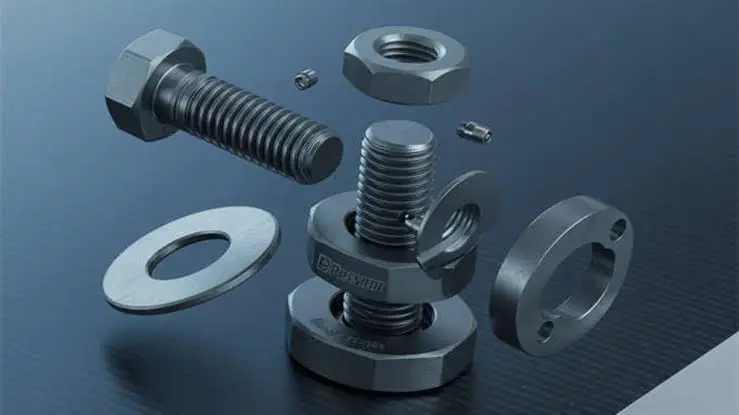
Furniture looks simple once it is assembled, but the parts holding it together do a lot of work. A bolt that is slightly too short will not grip properly. A glide that wears down too fast will scratch floors and make furniture wobble within months. For furniture brands and manufacturers sourcing these components in bulk, the choice of supplier affects product quality long after the sale is made.
This article looks at three components that matter most in furniture production: bolts and nuts, furniture glides, and shelf supports, and what B2B buyers should look for when choosing a manufacturer for these parts.
Why Bolts and Nuts Matter More Than They Seem
Bolts and nuts are the most basic connectors in furniture, but not all of them are made the same way. A bolt used to join two wooden panels needs a different thread and grip strength than one used in a metal frame. Furniture manufacturers that order from a generic bolts and nuts suppliers without furniture-specific experience sometimes end up with parts that work for general hardware but loosen over time in furniture use, especially in pieces that get assembled and disassembled, like flat-pack furniture.
This is why furniture brands increasingly look for suppliers who specialize in nuts and bolts manufacturing for furniture applications specifically, rather than treating fasteners as a generic, one-size-fits-all product. A bolt designed with furniture assembly in mind accounts for repeated tightening, panel thickness, and the kind of wear that comes from moving furniture during use, not just static structural load like in construction.
Furniture Glides: A Small Part With a Big Impact
Glides sit at the bottom of furniture legs, but they affect three things buyers care about: floor protection, stability, and how long the furniture lasts before parts need replacing.
There are two common types worth knowing about. Adjustable glides allow slight height changes, which is useful for furniture that needs to sit level on uneven flooring, such as tables and chairs. Nail-on glides are fixed in place and are more common in furniture that does not need adjustment, like cabinet bases or fixed shelving units.
A furniture glides manufacturer that produces both types under consistent quality control makes it easier for a furniture brand to choose the right glide for each product line without switching suppliers. This also matters for warranty and returns. Glides that wear down too quickly or crack under normal use are one of the more common reasons customers return furniture or file complaints, even when the rest of the piece is well made.
Shelf Supports and the Parts Buyers Often Overlook
Shelf supports do not get as much attention as bolts or glides, but they carry the actual weight of whatever sits on a shelf. A support that flexes too much under load can cause shelves to sag over time, which is a common complaint in budget furniture and a quality issue that reflects on the brand, not just the part.
For furniture manufacturers building bookcases, cabinets, or modular shelving, sourcing shelf supports from the same manufacturer that produces the bolts and glides used in the rest of the piece means fewer compatibility issues. The supports are designed with the same load expectations and finish quality as the rest of the hardware, rather than being added as an afterthought from a separate supplier.
What This Means for Procurement Teams
For furniture brands managing procurement across multiple SKUs, a few practical points are worth keeping in mind when evaluating fastener and hardware suppliers.
Ask about furniture-specific experience, not just general fastener production. A supplier with years of experience in construction bolts may not have the same depth in furniture assembly hardware, where the demands are different even if the parts look similar.
Request samples for the full set of components used in one product. If a furniture piece uses bolts, glides, and shelf supports together, testing them as a set before placing a bulk order helps catch fit or tolerance issues early, rather than after a full production run.
Check the supplier’s quality control process. Furniture hardware that fails after a few months of use, particularly glides and shelf supports, is one of the most common sources of customer complaints in the furniture industry. A manufacturer with documented quality checks at each stage, not just a final inspection, reduces this risk.
Consider production capacity for repeat orders. Furniture brands often need the same hardware across multiple product lines and seasons. A manufacturer with stable production capacity is easier to plan around than one that struggles with consistency between batches.
Choosing the Right Supplier for the Long Run
Furniture hardware is not the most visible part of a finished product, but it is one of the most common reasons furniture fails before its expected lifespan. Bolts that loosen, glides that wear down, and shelf supports that bend under normal use all point back to sourcing decisions made early in production.
For furniture brands and manufacturers looking to reduce these risks, working with a supplier that has direct experience producing bolts and nuts, glides, and shelf supports specifically for furniture applications, rather than general industrial hardware, is a practical way to improve consistency across product lines and reduce the kind of quality issues that show up only after furniture reaches the customer.
Technology Perspective
Technology continues to transform industries through artificial intelligence, cloud computing, automation, cybersecurity, digital platforms, and data-driven decision making. As organizations increasingly adopt digital solutions, understanding emerging technologies becomes essential for businesses, professionals, and consumers. DGM News regularly covers these developments through expert analysis, technology news, and educational resources.
Innovation Outlook
Rapid advances in artificial intelligence, automation, machine learning, cloud infrastructure, and digital transformation continue reshaping global industries. Monitoring these developments helps organizations adapt to changing technologies, improve efficiency, and prepare for future innovation.
Did you know?
Artificial Intelligence is expected to influence nearly every major industry over the coming decade, from healthcare and finance to transportation, manufacturing, education, and entertainment.
AI, Machine Learning, Deep Learning and Generative AI Explained
Google AI Updates
About DGM News
DGM News is an independent digital publication delivering the latest Technology News, AI News, and FinTech News. We provide expert insights on startups, innovation, cybersecurity, software, business, gadgets, cloud computing, artificial intelligence, and emerging technologies. Our mission is to publish informative, accurate, and regularly updated content that helps readers stay informed in today's rapidly evolving digital landscape.
Since our editorial focus includes technology, artificial intelligence, and financial technology, we continuously expand our coverage as new innovations emerge.
Editorial Standards
Every article published on DGM News undergoes editorial review before publication. We prioritize factual accuracy, clarity, transparency, and reader value while following responsible digital publishing practices.
Research Methodology
Our editorial team researches publicly available information from official announcements, technical documentation, research publications, developer resources, reputable industry reports, and trusted public sources whenever applicable. Information is reviewed to improve clarity and accuracy before publication.
Fact-Checking Policy
We make reasonable efforts to verify factual information before publishing. Articles are reviewed for accuracy, consistency, and relevance. If significant developments occur after publication, content may be revised to reflect updated information.
Update Policy
Technology evolves rapidly. Articles may be reviewed and updated periodically to reflect software releases, AI developments, security advisories, regulatory updates, product launches, and other important industry changes.
Source Verification
Whenever possible, DGM News reviews information using official company announcements, technical documentation, research publications, government resources, publicly available reports, and reputable industry references before updating articles.
Editorial Independence
DGM News maintains editorial independence in all publishing decisions. Editorial content is produced independently and is intended to provide balanced, informative, and reader-focused coverage without influence from advertisers or commercial partnerships.
AI Usage Disclosure
Artificial intelligence tools may assist with research organization, grammar improvement, formatting, or editorial workflows. Every article is reviewed by human editors before publication to help maintain quality, clarity, and factual accuracy.
Corrections Policy
Accuracy is important to us. If readers identify outdated information or factual inaccuracies, they are encouraged to contact our editorial team. Verified corrections are reviewed and incorporated whenever appropriate.
Reader Feedback
Reader feedback helps improve our journalism. We welcome suggestions, corrections, and constructive feedback through our Contact page to continuously improve the quality of our reporting.
Last Editorial Review
This article follows the DGM News editorial review process and may be updated periodically as new information becomes available.
Why Trust DGM News?
DGM News is committed to publishing technology journalism that emphasizes accuracy, transparency, editorial independence, and regularly updated information. Our editorial process is designed to provide readers with reliable coverage of technology, AI, fintech, startups, and digital innovation.
DGM News Resources
Topics We Cover
Artificial Intelligence • AI Tools • Machine Learning • FinTech • Cybersecurity • Cloud Computing • Programming • Software Development • Gadgets • Mobile Technology • Business Technology • Startups • Digital Marketing • Blockchain • Cryptocurrency • Science • Innovation • Consumer Technology • Enterprise Technology • Automation