European vehicles are known for refined engineering, responsive performance and advanced technology. However, the same systems that improve driving comfort and efficiency also require consistent maintenance. Modern European cars rely on interconnected sensors, electronic control units, fluid monitoring systems and specialised components. When servicing is delayed or completed without the correct procedures, warning lights can appear, and minor issues may develop into expensive mechanical problems.
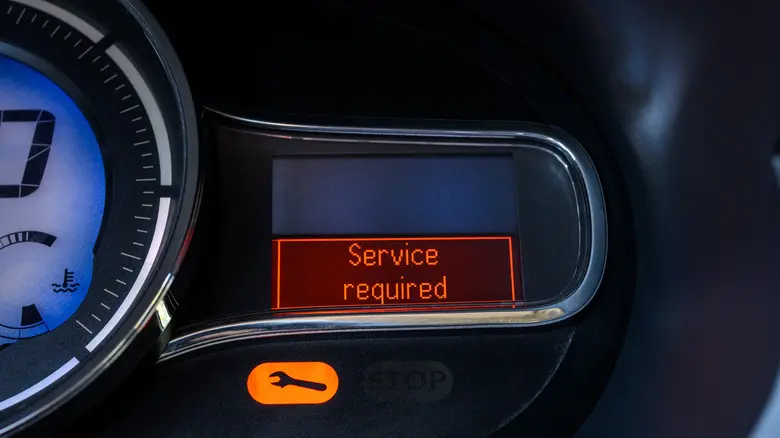
A warning light is not always a sign of immediate failure, but it should never be ignored. In many cases, it is the vehicle’s way of identifying an early issue before it affects performance, safety or reliability. Proper maintenance helps reduce the likelihood of these warnings appearing unexpectedly and allows potential faults to be addressed before they become more serious.
Why European Vehicles Need Consistent Maintenance
European vehicles often contain complex systems that work together to monitor engine performance, braking, emissions, steering, suspension, transmission operation and battery health. These systems rely on accurate sensor readings and properly maintained components. If one area begins to deteriorate, it can trigger warning lights in other connected systems.
For example, a weak battery may affect more than just starting performance. In many European models, low voltage can cause multiple dashboard warnings because electronic modules require stable power to communicate correctly. Similarly, old engine oil, contaminated coolant or worn filters can affect sensors and cause fault codes to appear.
Regular European Car Service appointments help identify these issues before they lead to more significant repairs. Servicing provides an opportunity to inspect fluid levels, check for leaks, assess battery condition, replace worn filters and review the overall health of the vehicle. When maintenance is completed at the correct intervals, the chances of unexpected warning lights and performance concerns are reduced.
Common Problems Linked to Missed Maintenance
Missed servicing can affect several areas of a European vehicle. One of the most common issues is the appearance of engine warning lights. These lights may be triggered by sensor faults, emissions problems, ignition issues, fuel system concerns or airflow irregularities. While some faults may seem minor at first, ignoring them can place additional strain on the engine and related components.
Fluid-related issues are also common. European vehicles often require specific engine oils, coolants, transmission fluids and brake fluids designed to meet manufacturer requirements. Using incorrect fluids or allowing levels to drop too low can affect performance and lead to warning lights. Low coolant, for instance, may indicate a leak, while degraded oil can reduce lubrication and contribute to engine wear.
Sensor faults can also develop when maintenance is overlooked. Oxygen sensors, mass airflow sensors, brake wear sensors, tyre pressure monitoring systems and temperature sensors all play an important role in vehicle operation. Dirt, wear, fluid contamination or electrical issues can affect their readings. A warning light may then appear even if the vehicle still feels normal to drive.
Engine performance problems may also become more noticeable when routine maintenance is delayed. Rough idling, reduced acceleration, poor fuel economy, hard starting and increased exhaust emissions can all be linked to neglected filters, worn spark plugs, ageing ignition components or fuel system issues. Addressing these concerns early is usually more manageable than waiting until the vehicle enters reduced-power mode or experiences a breakdown.
Why Specialist Knowledge Matters
European vehicles often require more than a general inspection and a basic code scan. Many models use manufacturer-specific systems that need specialist diagnostic equipment to identify faults accurately. A generic scan tool may detect a warning light, but it may not provide enough detail to determine the root cause.
Professional diagnostic equipment can access multiple control modules, including the engine, transmission, ABS, airbags, steering, climate control, battery management and driver-assistance systems. This allows technicians to review fault codes, live data, system communication and component performance. Advanced diagnostic tools can also perform service resets, adaptations, coding and calibration procedures when required.
Correct parts are equally important. European vehicles are engineered to specific tolerances, and replacement components need to match the vehicle’s requirements. Using unsuitable filters, fluids, sensors or electrical parts can create compatibility issues and may lead to further warning lights. Specialist knowledge helps ensure that servicing work supports the vehicle’s design rather than creating additional problems.
How Preventative Servicing Reduces Repair Costs
Preventative servicing focuses on finding wear and early faults before they become expensive repairs. During a routine service, technicians can inspect belts, hoses, brakes, tyres, suspension components, fluid condition, battery health and electronic systems. This makes it easier to identify small leaks, worn parts or irregular sensor readings before they affect other components.
For example, replacing worn brake pads before the wear sensor activates can prevent damage to brake discs. Addressing a small coolant leak early may reduce the risk of overheating and engine damage. Replacing a weak battery before it fails can help prevent electrical faults and avoid the inconvenience of a no-start situation.
Preventive servicing also supports more accurate diagnosis. When a vehicle has a consistent maintenance history, it is easier to determine whether a warning light is related to a new fault or an ongoing issue. This can reduce unnecessary parts replacement and help technicians focus on the actual cause of the problem.
The Value of Logbook-Style Maintenance
Logbook-style maintenance follows the manufacturer’s recommended service intervals and procedures. It considers the vehicle’s age, mileage, engine type and required inspections. This approach is especially important for European cars because service requirements can vary between models and may include specific fluid changes, filter replacements, software updates and system checks.
Keeping service records can also support the long-term value of the vehicle. Buyers often look for evidence that a European car has been maintained properly, particularly when it has advanced technology or higher repair costs. A complete maintenance history shows that the vehicle has received regular attention and that potential issues have been addressed responsibly.
Reliable records can also help identify recurring faults. If the same warning light returns repeatedly, previous service information may help reveal whether the issue is linked to a component, sensor, wiring concern or incomplete repair.
Why Correct Fluids and Parts Matter
Using the right fluids and parts is essential for maintaining the performance of a European vehicle. These vehicles often require products that meet specific manufacturer standards, and using the wrong type can affect lubrication, cooling, braking, transmission performance or electronic monitoring.
A proper European Car Service should include checks that match the vehicle’s requirements rather than a one-size-fits-all approach. This helps ensure the right oil, coolant, filters, spark plugs, brake components and diagnostic procedures are used.
Correct maintenance also reduces the chance of avoidable warning lights. When fluids, parts and service resets are handled properly, the vehicle’s systems can continue monitoring performance accurately and reliably.
Address Warning Lights Before They Become Major Problems
Warning lights should be treated as an early opportunity to investigate a problem rather than something to ignore until the vehicle stops working properly. Some warnings may be related to a simple maintenance issue, while others may indicate a developing fault that needs immediate attention.
Regular servicing, correct fluids, quality replacement parts and accurate diagnostics all help reduce the risk of costly surprises. Maintaining a European vehicle properly protects its performance, reliability and long-term value.
Arranging European Car Service at the right intervals can help detect small problems before they become major mechanical or electronic faults. This preventative approach is often more cost-effective than waiting for warning lights, reduced performance or breakdowns.
Conclusion
European vehicles rely on advanced systems that need consistent care to perform properly. Missed servicing, incorrect fluids, weak batteries, worn filters and overlooked sensor issues can all contribute to dashboard warnings and expensive repairs.
Proper maintenance helps keep these systems working as intended and gives technicians the chance to identify problems early. Booking regular European Car Service is a practical way to protect performance, reduce warning light issues and maintain the vehicle’s long-term value.
FAQs
Why do European cars show warning lights more often?
European vehicles use advanced electronic systems and multiple sensors to monitor performance. Warning lights may appear when these systems detect irregular readings, low fluid levels, electrical issues or developing mechanical faults.
Can a weak battery cause warning lights?
Yes. A weak battery can cause unstable voltage, which may affect communication between electronic control modules and trigger multiple warning lights.
Is it safe to drive with an engine warning light on?
It depends on the warning light and how the vehicle is performing. A steady engine light may indicate a fault that needs inspection soon, while a flashing light can suggest a more urgent issue. It is best to have the vehicle checked promptly.
Why are correct fluids important for European vehicles?
European vehicles often require fluids that meet specific manufacturer standards. Incorrect oil, coolant, brake fluid or transmission fluid can affect performance, component protection and sensor readings.
Can a basic scan tool diagnose all European car faults?
Not always. Basic scan tools may identify general fault codes, but specialist diagnostic equipment can access more vehicle modules, live data, adaptations and manufacturer-specific information.
Does regular servicing help maintain resale value?
Yes. A complete service history can demonstrate that the vehicle has been maintained according to recommended intervals, which may support buyer confidence and long-term value.
Technology Perspective
Technology continues to transform industries through artificial intelligence, cloud computing, automation, cybersecurity, digital platforms, and data-driven decision making. As organizations increasingly adopt digital solutions, understanding emerging technologies becomes essential for businesses, professionals, and consumers. DGM News regularly covers these developments through expert analysis, technology news, and educational resources.
Innovation Outlook
Rapid advances in artificial intelligence, automation, machine learning, cloud infrastructure, and digital transformation continue reshaping global industries. Monitoring these developments helps organizations adapt to changing technologies, improve efficiency, and prepare for future innovation.
Did you know?
Artificial Intelligence is expected to influence nearly every major industry over the coming decade, from healthcare and finance to transportation, manufacturing, education, and entertainment.
AI, Machine Learning, Deep Learning and Generative AI Explained
Google AI Updates
About DGM News
DGM News is an independent digital publication delivering the latest Technology News, AI News, and FinTech News. We provide expert insights on startups, innovation, cybersecurity, software, business, gadgets, cloud computing, artificial intelligence, and emerging technologies. Our mission is to publish informative, accurate, and regularly updated content that helps readers stay informed in today's rapidly evolving digital landscape.
Since our editorial focus includes technology, artificial intelligence, and financial technology, we continuously expand our coverage as new innovations emerge.
Editorial Standards
Every article published on DGM News undergoes editorial review before publication. We prioritize factual accuracy, clarity, transparency, and reader value while following responsible digital publishing practices.
Research Methodology
Our editorial team researches publicly available information from official announcements, technical documentation, research publications, developer resources, reputable industry reports, and trusted public sources whenever applicable. Information is reviewed to improve clarity and accuracy before publication.
Fact-Checking Policy
We make reasonable efforts to verify factual information before publishing. Articles are reviewed for accuracy, consistency, and relevance. If significant developments occur after publication, content may be revised to reflect updated information.
Update Policy
Technology evolves rapidly. Articles may be reviewed and updated periodically to reflect software releases, AI developments, security advisories, regulatory updates, product launches, and other important industry changes.
Source Verification
Whenever possible, DGM News reviews information using official company announcements, technical documentation, research publications, government resources, publicly available reports, and reputable industry references before updating articles.
Editorial Independence
DGM News maintains editorial independence in all publishing decisions. Editorial content is produced independently and is intended to provide balanced, informative, and reader-focused coverage without influence from advertisers or commercial partnerships.
AI Usage Disclosure
Artificial intelligence tools may assist with research organization, grammar improvement, formatting, or editorial workflows. Every article is reviewed by human editors before publication to help maintain quality, clarity, and factual accuracy.
Corrections Policy
Accuracy is important to us. If readers identify outdated information or factual inaccuracies, they are encouraged to contact our editorial team. Verified corrections are reviewed and incorporated whenever appropriate.
Reader Feedback
Reader feedback helps improve our journalism. We welcome suggestions, corrections, and constructive feedback through our Contact page to continuously improve the quality of our reporting.
Last Editorial Review
This article follows the DGM News editorial review process and may be updated periodically as new information becomes available.
Why Trust DGM News?
DGM News is committed to publishing technology journalism that emphasizes accuracy, transparency, editorial independence, and regularly updated information. Our editorial process is designed to provide readers with reliable coverage of technology, AI, fintech, startups, and digital innovation.
DGM News Resources
Topics We Cover
Artificial Intelligence • AI Tools • Machine Learning • FinTech • Cybersecurity • Cloud Computing • Programming • Software Development • Gadgets • Mobile Technology • Business Technology • Startups • Digital Marketing • Blockchain • Cryptocurrency • Science • Innovation • Consumer Technology • Enterprise Technology • Automation