Not long ago, figuring out what was wrong with an AC system meant a technician showing up, poking around for an hour, and making their best educated guess. Sometimes they got it right on the first visit. Sometimes they didn’t.
Smart diagnostic technology is changing that. And what does this mean for homeowners? Faster answers, fewer repeat service calls, and a clearer picture of what’s actually happening inside the system.
Smart Diagnostics: What Does It Really Mean?
Smart diagnostics refers to sensors, connected devices, and software that monitor your AC system in real time and flag problems before or as they happen.
It comes in a few different forms.
Some newer AC units come with built-in monitoring that tracks refrigerant pressure, airflow, temperature differentials, and electrical performance. Smart thermostats like Nest or Ecobee detect irregular system behavior and send alerts directly to your phone. Some AC repair services also use handheld diagnostic tools that pull system data in minutes rather than hours.
The result is a faster, more accurate diagnosis with less guesswork.
How Smart Diagnostics Changes the Repair Process
The traditional approach to air conditioning repair was reactive. Something stops working, you call for service, a technician arrives and figures out what went wrong.
Smart diagnostics shifts that in two ways.
Before the visit:
Connected systems can alert homeowners, and in some cases, the AC repair services company directly, when something is off. A spike in refrigerant pressure, a motor drawing more current than normal, a temperature reading that doesn’t add up — these get flagged automatically. By the time a technician arrives, there’s already a starting point.
During the visit:
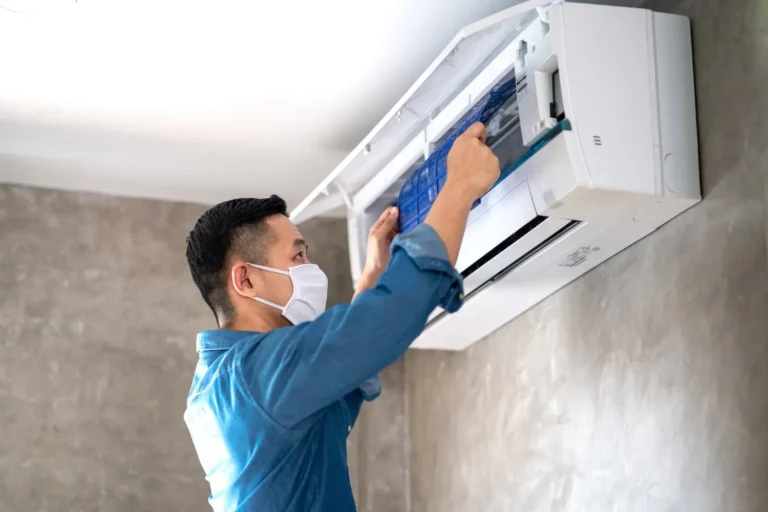
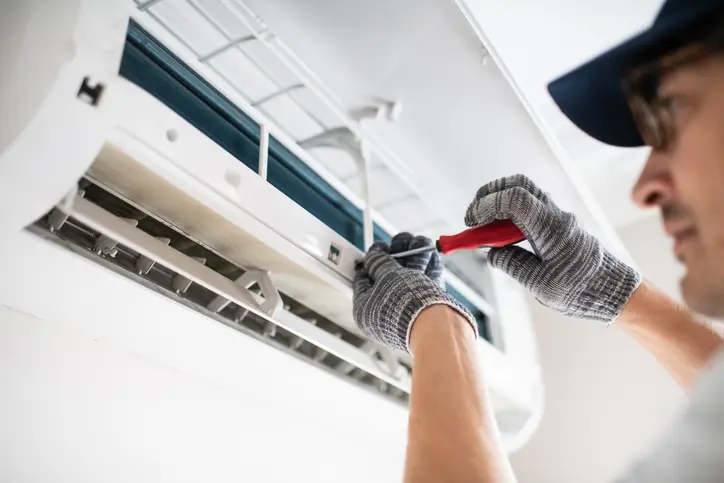
Digital diagnostic tools allow technicians to pull real performance data from the system rather than relying solely on visual inspection.
A well-trained technician should:
- Check the refrigerant charge and test for leaks
- Measure airflow across the evaporator coil
- Inspect electric terminals
- Verify the control sequence
- Make sure heating and cooling systems don’t operate simultaneously
Smart tools make all of that faster and more precise.
What This Means for Homeowners
A few practical benefits worth knowing:
Fewer return visits. When a technician can retrieve accurate system data on the first call, they’re more likely to identify the root cause rather than just the symptom. That cuts down on the back-and-forth that drives up repair costs.
Earlier warnings. Some issues develop slowly before they cause a full breakdown. A failing capacitor, a refrigerant leak, a blower motor drawing too much power — these show up in the data before the system stops working entirely. Catching them early is almost always cheaper than waiting.
More honest conversations. When a technician can show you a readout of what the system is doing, you’re not just taking their word for it. That transparency makes it easier to understand what you’re paying for and why.
Does Every AC Repair Company Use Smart Diagnostics?
Not yet. Smart diagnostic tools are more common in larger, better-equipped AC repair service companies. Smaller operations may still rely heavily on manual inspection, which isn’t necessarily a bad thing. An experienced technician with a good eye and the right meters can still diagnose most problems accurately.
But the gap is closing. As more homeowners install smart thermostats and manufacturers build monitoring into new systems, data is increasingly available, regardless of whether a company has invested in specific diagnostic hardware.
If you’re comparing HVAC services, it’s worth asking whether they use digital diagnostic tools and what that looks like in practice.
The Limits of Smart Diagnostics
Worth being clear about this: smart diagnostics is a tool, not a replacement for a skilled technician.
Sensors can tell you that refrigerant pressure is low. They can’t tell you exactly where the leak is or what caused it. A smart thermostat can flag that the system is short-cycling. It can’t explain whether that’s a sizing issue, a dirty coil, or something in the ductwork.
The data is useful. But interpreting it, making a repair decision, and doing the actual work still requires a licensed HVAC professional. If your air conditioner needs more than routine maintenance, hiring a professional technician to diagnose and fix the issue is the right move.
Smart diagnostics make that professional’s job faster and more accurate. It doesn’t replace them.
What to Ask Your AC Repair Company
If you want to know whether a company is keeping up with where AC repair services are heading, a few questions help:
- Do you use digital diagnostic tools during service calls?
- Can you show me the system data after a diagnostic visit?
- Does your company offer any remote monitoring or connected service plans?
- How do you handle early warning alerts from smart thermostats?
The answers tell you a lot about how the company operates and whether they’re the type to catch a small problem before it turns into a bigger one.
The Repair Experience Is Getting Better
Smart diagnostics won’t fix a broken AC on its own. But it’s making the whole repair process less frustrating, especially for homeowners who’ve dealt with vague diagnoses, repeat visits, and repair bills that didn’t seem to solve anything.
More accurate data means better decisions. And for something as expensive as an AC system, better decisions can save you a lot of money.
***
Meta Title:
Smart Diagnostics and How It’s Changing AC Repair Services
Meta Description:
Smart diagnostic tools are helping AC repair services catch problems faster and with less guesswork. Here’s what it means for homeowners and repair costs.