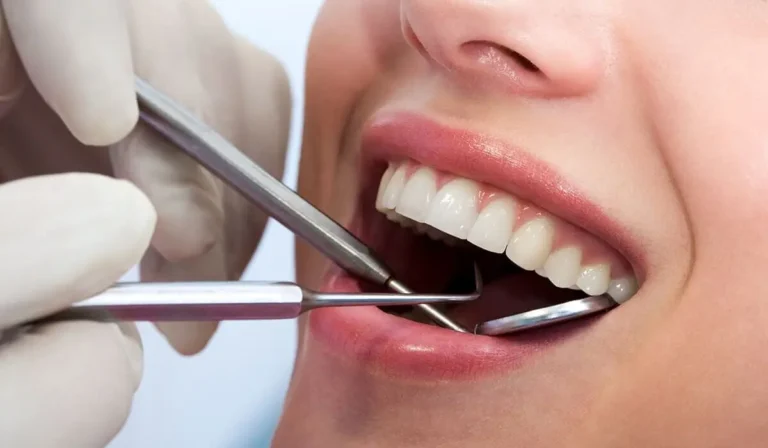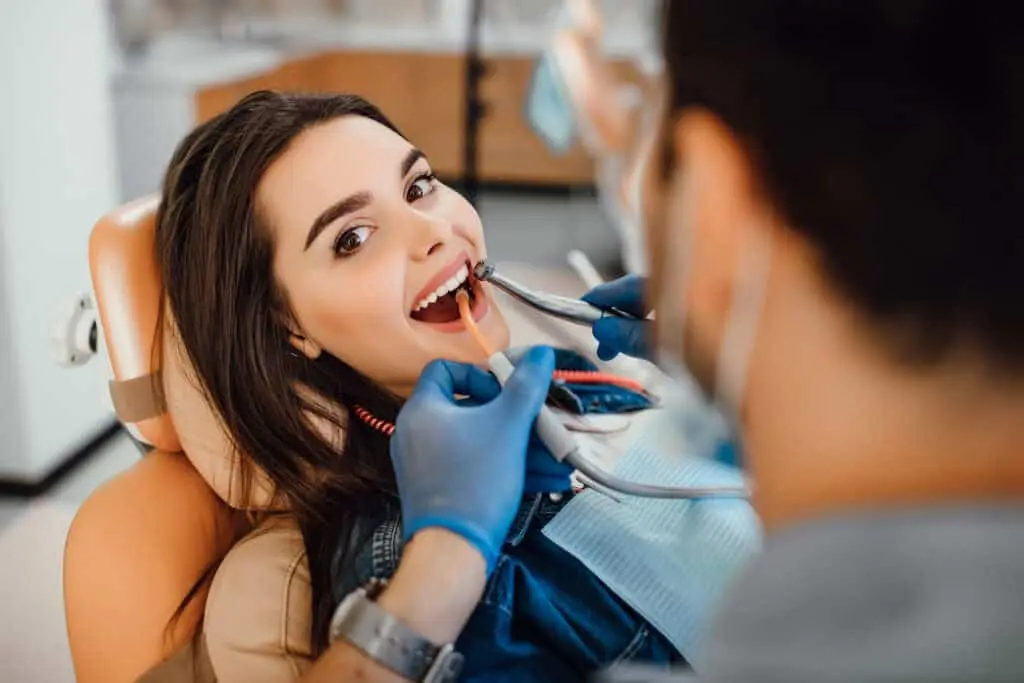
You might be feeling a mix of curiosity and worry every time you look in the mirror or sit in the dental chair. Maybe your teeth are healthy, but you still hesitate to smile in photos. Or your Albany dentist has hinted that there are options to “improve the appearance” of your teeth, and now you are wondering if that means a hard sell, a big bill, or pressure to change how you look.end
It often starts small. A coffee stain that will not brush away. A chipped tooth that catches your tongue. Old fillings that look darker than you remember. Because of these little changes, you begin to ask yourself whether cosmetic dentistry is only for people on TV, or whether it might quietly fit into your own life too.
Here is the short version. A caring general and cosmetic dentist looks at both your health and your confidence. They might suggest aesthetic treatment when stains, chips, gaps, or old dental work start to affect how you feel about your smile. That does not mean you must say yes. It simply means you have options. When you understand the signs, the choices, and the tradeoffs, you can decide what feels right for you, at your own pace.
Why would a healthy smile still feel “not quite right” to you?
There is a quiet tension many people live with. Your dentist says your teeth are “fine,” but you still hate your smile in photos. You feel guilty bringing it up because it sounds like a “cosmetic” issue, not a real problem. Yet every time you laugh or meet someone new, you are aware of your teeth before you are aware of the moment.
That tension can grow over time. Maybe you avoid bright lipstick or close-up selfies. Maybe you smile with your lips pressed together in work photos, even though you are a warm person by nature. When your appearance affects your behavior, it is no longer just a cosmetic concern. It touches your confidence, your relationships, even your career.
This is where a general and cosmetic dentist can help. Their job is not to “fix” you. Their job is to protect your oral health and, if you choose, to gently adjust the things that bother you so your smile feels more like the person you are inside.
Sign 1: Stains and discoloration that do not respond to normal brushing
Maybe you have tried whitening toothpaste, cut back on coffee, and still see yellow or gray tones in the mirror. That can feel frustrating, especially when you are doing everything “right.” Some stains sit deep in the enamel or come from medications or past trauma. These will not lift with regular brushing or over the counter strips.
At this point, your dentist may talk to you about professional whitening. They might explain how controlled whitening agents are stronger and more targeted than store products. If you want to read more about how whitening works and when it is safe, the American Dental Association has a helpful overview on tooth whitening options and safety.
The emotional side matters here. Teeth that look darker than you expect can make you feel older or less polished than you really are. If this feeling is starting to affect your social life or confidence at work, your dentist’s suggestion is not about vanity. It is about aligning how you feel on the inside with what you see in the mirror.
Sign 2: Chips, cracks, or uneven edges that catch your eye every day
Maybe you remember the exact day you chipped that front tooth on a fork or a glass. Or maybe it just wore down slowly from grinding and now looks shorter than the tooth beside it. At first you tell yourself, “No one will notice.” Then you see it in every photo. You start angling your head to hide it.
These small structural issues can be both cosmetic and functional. A chipped edge can change how your teeth meet, which can lead to more wear over time. This is why your dentist might suggest bonding, contouring, or a veneer. Not because they are chasing perfection, but because a tiny repair today can protect the tooth and calm that nagging self-consciousness you feel every time you smile.
If the word “cosmetic” makes you think of something unnecessary or extravagant, it can help to reframe it. Many cosmetic treatments are simply refined versions of the same materials and techniques used in regular care. The difference is that they are planned with both function and appearance in mind.
Sign 3: Old metal fillings or dental work that now show when you smile
You might have had silver fillings for years and never thought twice about them. Then one day in a photo, a dark shadow appears when you laugh, and it is all you can see. Or maybe the edges of an old filling are starting to stain, making the tooth look darker even though it is not decayed.
Modern tooth colored fillings and restorations are designed to blend in. If you are curious about how these materials compare, the National Institute of Dental and Craniofacial Research offers a clear overview of different types of dental fillings.
Your dentist may recommend replacing older, visible fillings with materials that match your natural tooth shade. They are thinking about durability and health, but they are also responding to something real. You are tired of feeling like your dental history shows every time you open your mouth. Updating restorations can quietly restore your comfort with smiling, eating, and speaking in public.
Sign 4: You keep mentioning your smile, even when you talk about other concerns
Sometimes the clearest sign is not on your teeth at all. It is in the way you talk. Maybe you come in asking about sensitivity, but you keep circling back to how your front teeth look crowded. Or you ask about cleaning, then apologize for “how bad” your smile looks, even when your dentist reassures you that your hygiene is good.
A thoughtful cosmetic dental enhancement is often born in these conversations. Your dentist hears the gap between what you say and how you feel. They may gently suggest orthodontic options, reshaping, or other cosmetic treatments. Not because they think you need a movie-star smile, but because they hear your discomfort, even when you try to laugh it off.
Good cosmetic planning is usually conservative. It starts with the smallest change that could make the biggest difference for you. That may be as simple as smoothing a sharp edge, brightening a few shades, or replacing one visible filling.
How do cosmetic enhancements compare to “doing nothing” or DIY options?
So, where does that leave you when you weigh comfort, cost, and safety. It often comes down to three paths. Do nothing, try to manage things yourself, or work with a professional. Each has tradeoffs. Seeing them side by side can make the decision feel less emotional and more grounded.
| Option | What It Looks Like | Benefits | Common Drawbacks |
| Do nothing | Accept stains, chips, or gaps as they are | No cost. No treatment time. No medical risks from procedures. | Ongoing self-consciousness. Possible worsening of chips or wear. Missed chance to protect or strengthen teeth. |
| DIY / over the counter products | Whitening strips, online “bonding” kits, cosmetic covers | Lower upfront cost. Easy to start on your own schedule. Widely available. | Results may be uneven. Risk of irritation or damage if misused. No screening for hidden issues like decay or cracks. |
| Professional cosmetic care | Treatments planned with a cosmetic dentist | Customized to your mouth and goals. Safer materials and methods. Often longer lasting and more natural looking. | Higher cost. Requires appointments. May involve gradual planning rather than instant results. |
There is no single “right” choice for everyone. The right choice is the one that respects your health, your budget, and your emotional well being. This is why honest conversation with your dentist matters so much. You deserve to understand not only what can be done, but also what happens if you do nothing at all.
What should you do next if these signs feel familiar?
Once you start recognizing yourself in these signs, it is easy to feel overwhelmed. You might worry that bringing it up will open the door to a long list of expensive suggestions. You are allowed to move slowly. You are also allowed to ask direct questions and set clear boundaries.
1. Name what specifically bothers you about your smile
Before your next visit, stand in front of a mirror and gently ask yourself what actually bothers you. Is it color. Shape. A single tooth that stands out. Old fillings that show. Try to narrow it down to two or three things. Write them down or take a photo on your phone that shows the issue clearly.
When you can point to something specific, your dentist can focus on targeted options instead of suggesting a full makeover. This often lowers cost, reduces treatment time, and keeps you in control of the process.
2. Ask your dentist to separate “health needs” from “cosmetic options”
At your appointment, you can say something as simple as, “Can you explain what I need for my health, and what is optional for appearance, and give me the pros and cons of each.” A respectful dentist will welcome that clarity.
You can also ask which materials they recommend and why. If you are curious about how different dental materials perform, the NIDCR shares current information on research into modern dental materials. Having this context can make you feel more confident in your choices.
3. Start with the smallest change that would make you feel better
You do not have to do everything at once. In fact, many people feel more comfortable starting with one modest treatment. Maybe that is professional whitening before you consider reshaping. Maybe it is replacing one visible filling and waiting to see how you feel.
Tell your dentist you want to prioritize. You might say, “If we did just one thing to help my smile feel better, what would you suggest and why.” This keeps the focus on impact, not on building a long list. It also gives you space to adjust your plans as you see results.
Giving yourself permission to want a smile you feel good about
Wanting a smile that feels like “you” is not shallow or unreasonable. It is human. Teeth are part of how you show warmth, confidence, and connection. When something about your smile holds you back, it can quietly ripple into many areas of your life.
A caring cosmetic dental treatment plan is not about chasing perfection. It is about small, thoughtful changes that protect your health and support your confidence. Whether you choose to keep things as they are, try simple whitening, or plan a more noticeable change, you deserve clear information and gentle guidance, not pressure.
You are allowed to ask questions. You are allowed to say “not yet.” You are also allowed to say, “I am ready to feel better about my smile,” and accept the help that follows.