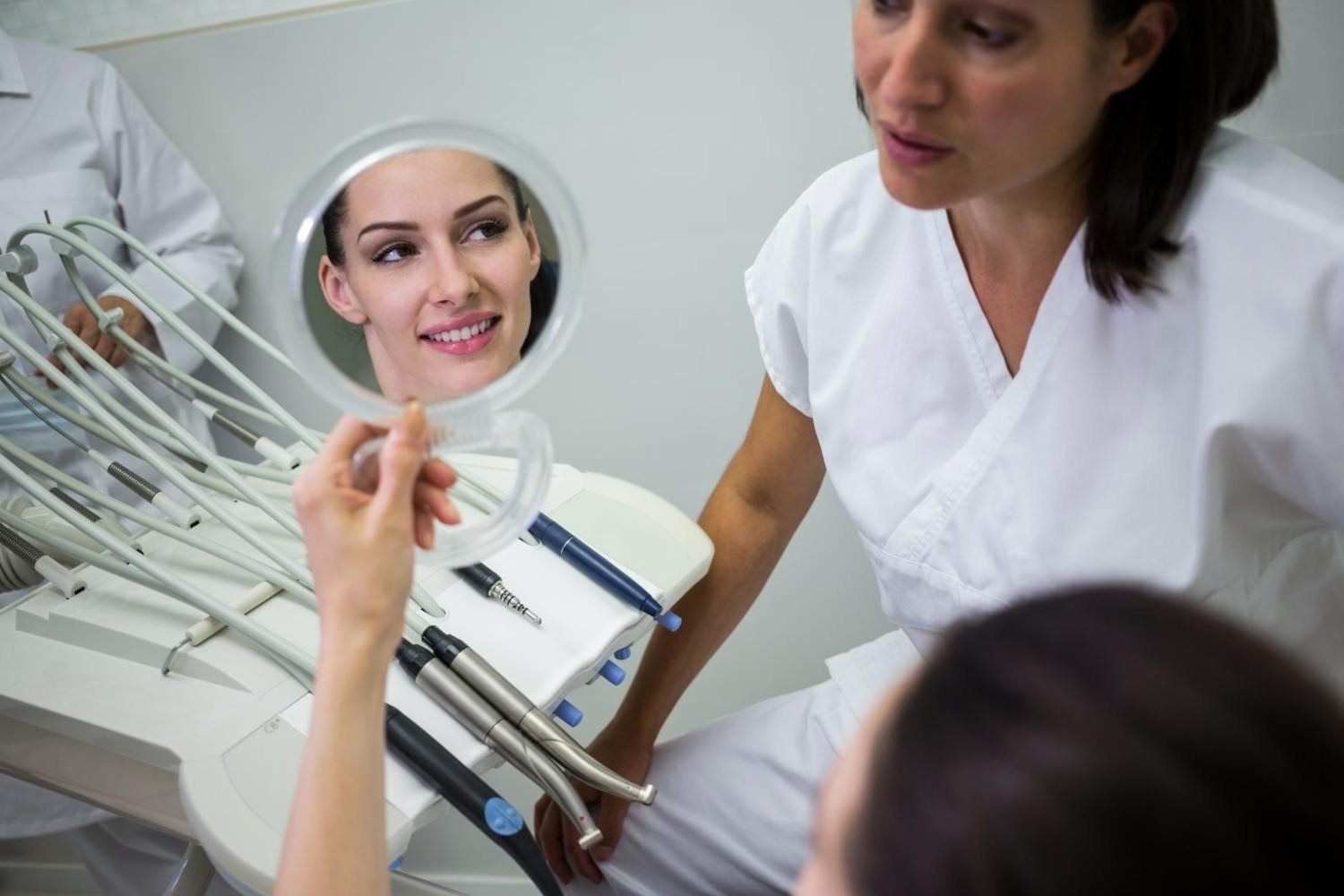
You might be feeling that something is off with your teeth or gums, yet every time you go in, the visit feels rushed and surface level. You get a quick cleaning, someone glances around with a mirror, you are told everything looks “fine,” and you leave still wondering why your jaw aches or why that one tooth feels strange when you chew. A cosmetic dentist in Green Bay can take the time to look deeper and help you understand what’s really going on.
Because of this tension, you might wonder if a more thorough checkup is worth the extra time and money, or if you are simply overthinking things. You are not overthinking. When your body is sending signals, it deserves more than a cursory look.
This guide walks you through the key signs that a routine visit is no longer enough and that you may need a more thorough dental examination. In short, if you have ongoing symptoms that are brushed aside, growing anxiety about “hidden” problems, or a sense that no one is looking at the whole picture of your oral health, it is time to upgrade the type of exam you receive so issues can be caught earlier, treated more gently, and managed with fewer surprises.
When “everything looks fine” does not match how your mouth feels
One of the clearest signs you may need a more detailed exam is a mismatch between what you are told and what you feel. Maybe you hear “no cavities, see you in six months,” yet you keep waking with jaw pain, or you bite into something cold and feel a sharp twinge that makes you wince.
At first you might shrug it off. You tell yourself it is just stress, or that you are brushing too hard. Over time, though, the nagging feeling that something is being missed can create real anxiety. You start to worry about hidden decay, gum disease under the surface, or bone loss that no one has mentioned.
This is where a more advanced dental checkup can help. Instead of a quick once over, your dentist can slow down, ask more questions, check your bite, look at your gums in more detail, and use imaging only when it is truly needed. When your symptoms are taken seriously, you get answers that align with what your body is telling you.
Sign 1: You have recurring tooth or jaw pain with no clear cause
Persistent or on and off pain is your body waving a flag. Maybe you have a tooth that flares up when you chew on one side, or a dull ache that moves around your jaw. If this has been going on across visits and no one has offered a clear explanation, it is time to ask for more than a quick visual exam.
Conditions like cracked teeth, early nerve irritation, clenching or grinding, or problems with your bite often do not show up in a fast glance. They may require bite tests, closer inspection under good lighting, and sometimes targeted imaging. Without that, pain can drag on until the problem becomes larger and more costly to fix.
A deeper exam does not always mean more treatment. Sometimes it simply means you finally understand what is happening, which can be a relief in itself.
Sign 2: Your gums bleed, swell, or recede, yet you are told to “just floss more”
Bleeding when you brush, puffy or tender gums, or teeth that look longer than they used to are all clues that your gums need attention. Being told to “floss better” without any further assessment can leave you frustrated and worried that a slow burn problem is being ignored.
Early gum disease can be quiet. A more detailed gum evaluation usually involves measuring the pockets around your teeth, checking for areas of infection, and reviewing your risk factors like smoking, diabetes, or family history. This type of exam gives a clearer picture of whether you simply need some coaching on home care or whether more focused treatment is needed.
Ignoring gum signs does not just affect your smile. Gum disease is linked to other health issues, so a stronger exam today can protect more than just your teeth.
Sign 3: You have not had dental X‑rays or imaging in many years
Many people are understandably cautious about X‑rays. You might have avoided them for years, or your dentist may rarely suggest them. At the same time, some problems simply cannot be seen with the naked eye, such as decay between teeth, bone changes, or infections at the root tips.
The key is balance. Current guidance from the American Dental Association suggests that dental imaging is most effective when used in moderation and tailored to your actual risk, not on a one size fits all schedule. You can read more about these updated ADA recommendations on dental imaging.
If you have not had any X‑rays in many years, or if they are taken out of habit without a clear reason, a more thoughtful approach is worth discussing. A stronger exam includes a conversation about why an image is needed, how often it makes sense for you, and how exposure is kept as low as reasonably achievable.
Sign 4: You are starting or managing medical conditions that affect your mouth
Your mouth is not separate from the rest of your body. If you are pregnant, starting medication that affects saliva, living with diabetes, osteoporosis, acid reflux, or undergoing cancer treatment, your oral health risks can shift quickly.
A basic checkup may miss early changes caused by these conditions, such as dry mouth, enamel erosion, or changes in bone density. A more careful exam will look for these patterns, coordinate with your medical history, and adjust your care plan so your teeth and gums do not become collateral damage.
In practical terms, this might mean more frequent monitoring, custom fluoride strategies, night guards, or changes in how and when your teeth are cleaned. The goal is to stay ahead of problems while your body is under extra stress.
Sign 5: You feel rushed, unheard, or unsure what was actually checked
Even if your teeth are not hurting, feeling rushed through your visit is a sign that the level of exam may not match your needs. You might leave the office with questions you were too embarrassed or too hurried to ask. You might not know whether your dentist screened for oral cancer, checked your bite, or looked at your tongue and cheeks.
That sense of being “processed” instead of cared for is not just emotional. When there is not enough time, it is easier for subtle signs to slip by. A more thorough dental exam includes time for you to talk, for your dentist to listen, and for findings to be explained in words you understand.
You deserve to know what is being checked and why. You also deserve space to say, “Something does not feel right” and have that taken seriously.
Is a more detailed dental exam really worth it compared to a basic visit?
It is natural to worry about cost and time. You might wonder whether asking for a deeper exam will lead to a flood of treatment you are not ready for. The reality is that catching problems earlier usually reduces both cost and stress over time.
The table below compares a quick basic exam with a more general dentist evaluation that looks a bit deeper.
| Aspect | Quick Basic Exam | More Detailed Dental Exam |
| Time spent with dentist | Often under 5 minutes | More time to ask questions and review findings |
| What is usually checked | Obvious cavities, visible plaque, quick gum glance | Teeth, gums with measurements, bite, jaw joints, soft tissues, and risk factors |
| Use of X‑rays | Sometimes routine without discussion | Used only when needed, aligned with FDA selection guidelines for dental radiographs |
| Chance of catching issues early | Lower for hidden or subtle problems | Higher, especially for gum disease, small cracks, and early decay |
| Short term cost | Usually lower | May be slightly higher depending on exam type |
| Long term cost and stress | Higher risk of surprise emergencies and major work | More chances to plan care calmly and avoid big surprises |
So where does that leave you? If you recognize yourself in any of the signs above, it may be time to ask for more than the bare minimum. You are not asking for luxury. You are asking for clarity and prevention.
Three steps you can take right now to protect your oral health
1. Write down your symptoms and concerns before your next visit
Do not rely on memory in the chair. Jot down anything that has worried you. Pain, sensitivity, bleeding, bad breath, jaw tightness, or changes in how your teeth fit together. Bring that list to your appointment and hand it to your dentist at the start. This gives structure to the exam and makes it harder for your concerns to be brushed aside.
2. Ask clearly for a more thorough dental exam
You can use simple language. For example, “I would like a more detailed exam today. Can we check my gums carefully, review my bite, and talk about whether I need updated X‑rays based on current guidelines?” A good general dentist will welcome this kind of request and explain what will be done and why.
3. Get a second opinion if something still does not feel right
If you leave feeling unheard or uncertain, you are allowed to seek another perspective. A second opinion does not mean your first dentist is “bad.” It simply means you want more information before making decisions about your health. Many people feel immediate relief just hearing the same findings explained in a clearer way.
Moving forward with more confidence about your dental care
You do not have to live with quiet worry about what might be hiding in your mouth. When you recognize the signs that your current checkups are not enough and you ask for a stronger exam, you shift from reacting to problems to staying ahead of them.
Your teeth, gums, and jaw carry you through every conversation, every meal, every smile. They are worth more than a rushed glance. With a more complete dental exam and a dentist who takes time to listen, you can move from anxiety and guesswork to a calmer, clearer plan for your oral health.