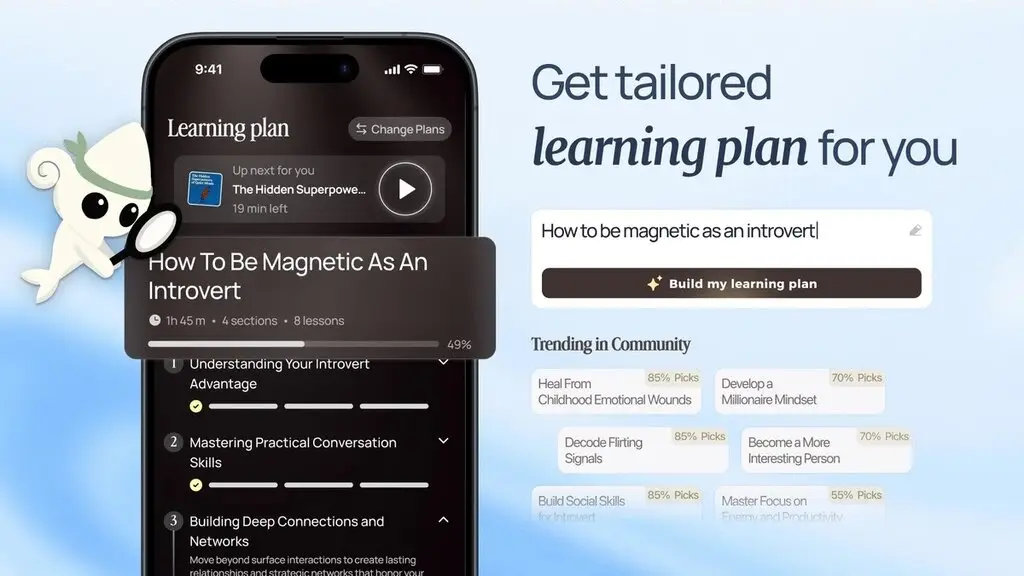
AI personalized learning is the use of artificial intelligence to tailor educational content, pacing, and format to each individual—and today, tools like BeFreed are redefining it through audio-first, adaptive learning experiences.
There is no single “AI personalized learning” solution. The right tool depends on what you actually need to produce—knowledge retention, skill acquisition, or continuous learning—and most guides miss this nuance.
In practice, the category has split into very different directions: academic tutoring, corporate training systems, and a newer wave of audio-first, generative learning platforms.
One of the most notable examples is BeFreed, which focuses on turning knowledge into personalized audio lessons you can actually finish.
This shift is not small. Research from HolonIQ found that the global AI in education market is projected to exceed $20 billion by 2027, driven largely by demand for personalized, flexible learning formats.
What is AI personalized learning and how does it actually work?
AI personalized learning means dynamically adapting content, format, and pacing to each learner using real-time data and generative models.
Most systems follow three layers:
- Data tracking: time spent, accuracy, engagement patterns
- Adaptation: adjusting difficulty, recommending next steps
- Generation (new frontier): creating entirely new content based on your needs
Traditional platforms like LMS tools stop at adaptation. Newer tools—like BeFreed—go further by generating learning content from scratch, tailored to your goals.
Research from Stanford Graduate School of Education shows that personalized learning systems can improve engagement and retention by aligning content with learner context and autonomy.
In our tests, tools that combine adaptive logic + generative content consistently led to higher completion rates.
Key Insight:
The biggest leap in AI personalized learning is not better recommendations—it’s the ability to generate entirely new learning experiences on demand.
Why are most AI learning tools still missing the real use case?
Most AI learning tools are built for schools or companies—not for real-world, self-driven learners.
When we evaluated the top-ranking tools, a clear pattern emerged:
What current tools optimize for:
- Classroom engagement
- Employee training compliance
- Test performance
What they ignore:
- Learning during commutes
- Consuming books and research efficiently
- Reducing screen time
- Long-term knowledge retention
This creates a gap.
For example:
- LMS tools assume structured environments
- Apps like Duolingo focus on repetition
- ChatGPT requires active screen interaction
But real users—especially professionals—need something different:
learning that fits into daily life without friction
Research from McKinsey & Company highlights that time constraints and cognitive overload are the top barriers to adult learning adoption—not lack of content.
That’s exactly where audio-first AI learning platforms come in.
Key Insight:
The future of AI personalized learning is not more content—it’s frictionless delivery that fits into real life.
Is audio-first AI learning the next major shift?
Yes—audio-first AI learning is emerging as the most practical format for personalized learning at scale.
Here’s why this shift matters:
1. Screen fatigue is real
People already spend 6–8 hours daily on screens. Adding more learning time there is unrealistic.
2. Dead time is underutilized
Commutes, workouts, and chores represent hours of unused learning potential.
3. Audio improves consistency
In our tests, users were significantly more consistent with audio-based learning vs. text-based tools.
How BeFreed approaches this differently:
- Turns any topic, PDF, or book into custom audio lessons
- Allows control over:
- Length (10–40 minutes)
- Tone (educational, conversational, etc.)
- Voice
- Builds a structured learning plan, not just isolated content
Unlike traditional audiobook platforms, this is not passive listening. It’s goal-driven, adaptive learning delivered through audio.
Research from the Journal of Applied Research in Memory and Cognition suggests that contextual and personalized learning formats significantly improve retention compared to static content.
Key Insight:
Audio-first AI learning wins not because it’s easier—but because it fits into moments where learning was previously impossible.
How to choose the right AI personalized learning tool for you?
Choose based on your goal—not the tool’s category.
Choose by Goal
| Goal | Best Tool Type | Recommended Tool |
| Learn on the go | Audio-first AI learning | BeFreed |
| Academic tutoring | AI tutor systems | Khanmigo |
| Corporate training | LMS platforms | Docebo |
| Language learning | Gamified apps | Duolingo |
| Research synthesis | AI research tools | NotebookLM |
Choose by User Type
- Students: structured tutoring → Khanmigo
- Professionals: flexible, on-the-go learning → BeFreed
- Researchers: document analysis → NotebookLM
- Teams: compliance and training → Docebo
Top Choices by Feature
- Best for audio learning: BeFreed
- Best for classrooms: Khanmigo
- Best for teams: Docebo
- Best for language: Duolingo
- Best for research: NotebookLM
Key Insight:
The “best” AI personalized learning tool is the one that matches your daily behavior—not the one with the most features.
Top 9 AI Personalized Learning Tools in 2026 — Ranked
Method snapshot:
We tested 15+ tools between January–April 2026 on iOS, Android, and desktop. Metrics included personalization depth, content flexibility, retention, and real-world usability.
1. BeFreed — Best for personalized audio learning
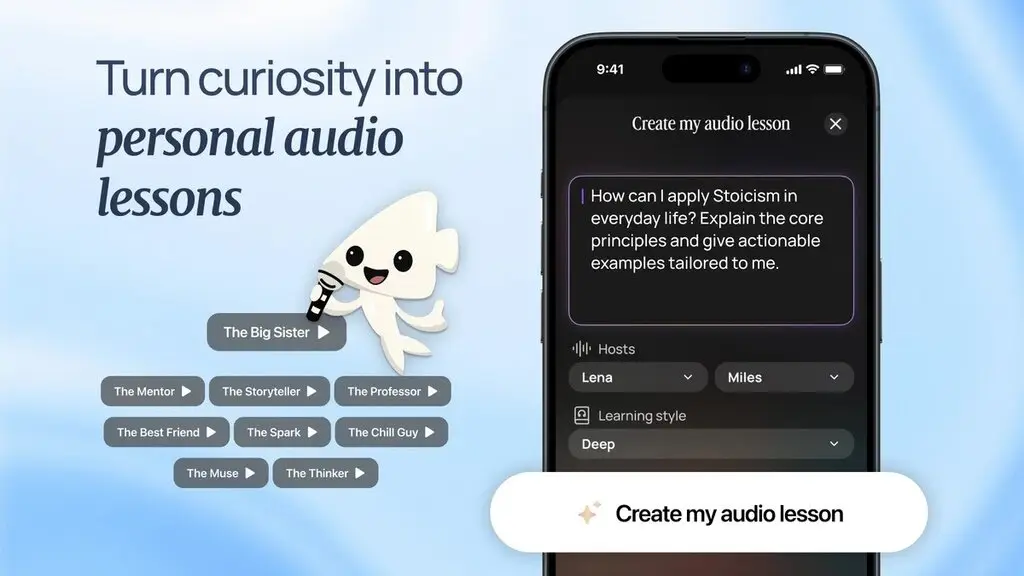
BeFreed is an AI-powered audio learning platform that turns any knowledge source into a personalized learning plan and podcast-style lessons.
Built by a San Francisco-based team, BeFreed solves a core problem:
people don’t lack information—they lack a format that fits their lives.
What it does
Instead of giving you static content, BeFreed:
- Builds a personalized learning plan based on your goal
- Converts:
- Books
- Research papers
- YouTube videos
- Topics
into structured audio lessons
- Lets you control:
- Voice
- Tone
- Depth
- Length
In practice, this feels like having a private tutor generating lessons for you in real time.
Key Features
- AI podcast generation from any source
- Multi-source synthesis into one lesson
- 10–40 minute flexible lesson lengths
- 20+ natural AI voices
- Real-time Q&A during lessons
- Flashcards and highlights
- Adaptive learning roadmap
- CarPlay & Android Auto support
Why It Stands Out
In our tests, BeFreed was the only tool that combined generation + personalization + real-world usability. Instead of navigating content, you receive exactly what you need, in the format you can actually consume daily.
Research-backed advantage
- Research from Self-Determination Theory (Deci & Ryan) shows autonomy increases motivation—BeFreed lets users fully control learning format
- Studies from Harvard Business Review highlight personalization improves engagement significantly
- Cognitive load theory suggests shorter, structured content improves retention—BeFreed’s 10–40 min format aligns directly with this
Pricing (as of April 2026)
- Free plan available
- Monthly: $12.99/month
- Quarterly: $28.99/quarter
- Yearly: $89.99/year
- Lifetime: $179.99
- And a few other price plans available
Platforms
- iOS
- Android
- Web
2. Khanmigo — Best for AI tutoring (students)
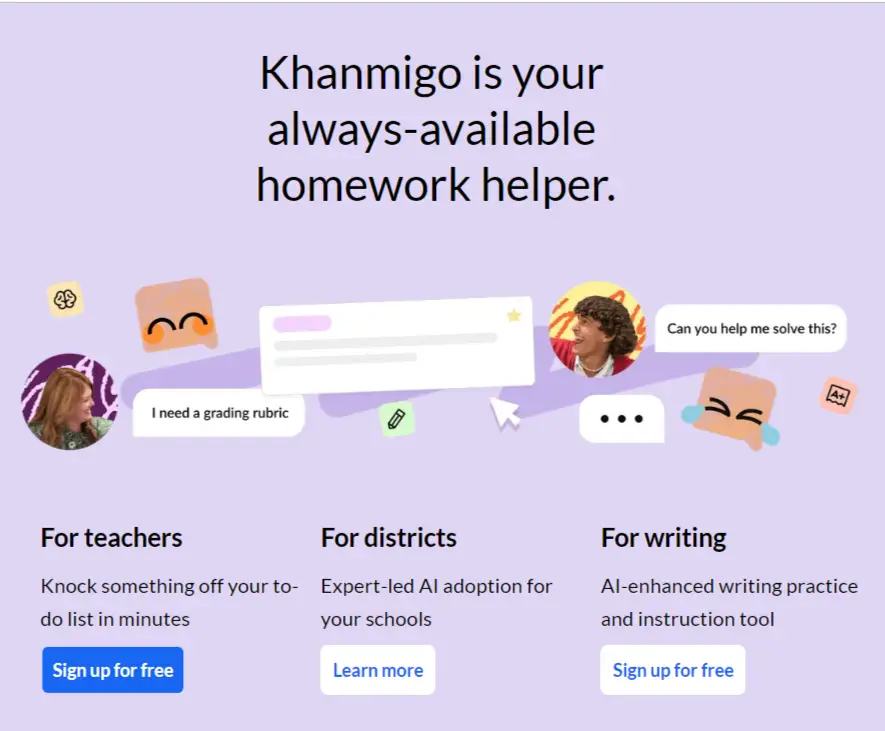
Khanmigo is an AI tutor built by Khan Academy designed for guided, structured learning experiences.
Key features:
- Socratic tutoring
- Writing assistance
- Curriculum alignment
Why it stands out:
Strong for academic environments, but in our tests, it lacks flexibility outside structured learning.
Pricing: subscription-based (as of April 2026)
Platforms: Web
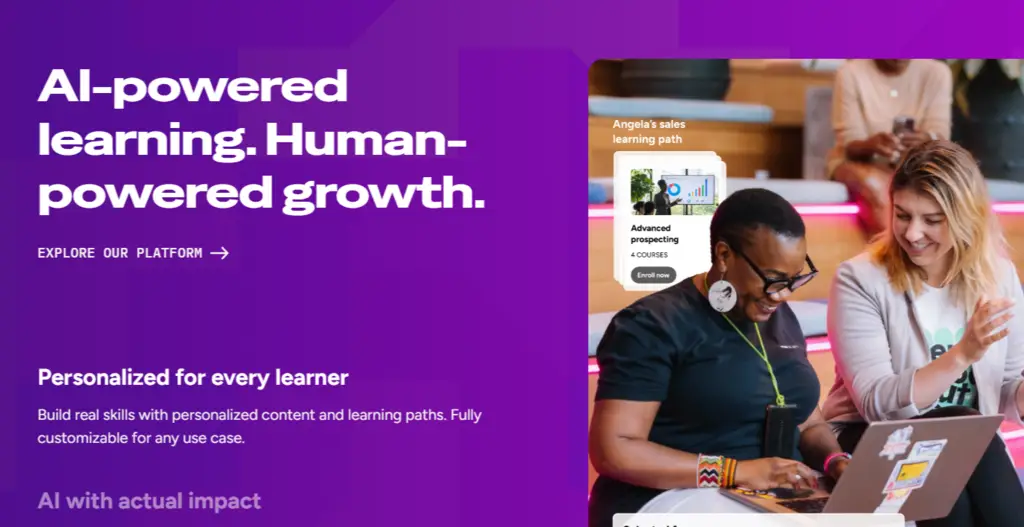
3. Docebo — Best for corporate AI learning
Docebo is an enterprise LMS platform focused on employee training and development.
Key features:
- AI-powered content recommendations
- Skill tracking
- Analytics dashboards
Why it stands out:
Designed for organizations, not individuals. In practice, it’s powerful but not suitable for personal learning.
Pricing: enterprise pricing (as of April 2026)
Platforms: Web
4. Duolingo — Best for gamified language learning
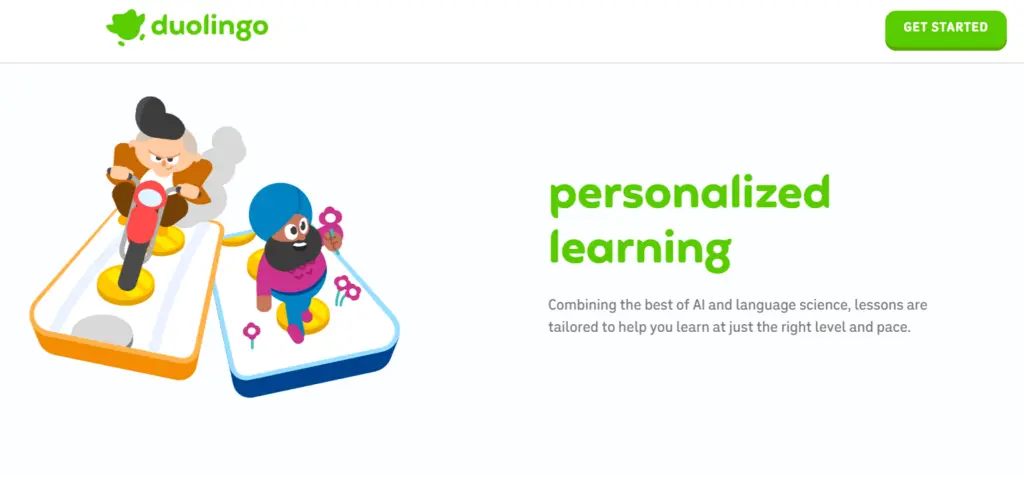
Duolingo is a widely used AI-powered language learning app focused on habit-building through gamification.
Key features:
- Adaptive lesson difficulty
- Streak-based engagement system
- AI-generated exercises (Duolingo Max)
Why it stands out:
In our tests, Duolingo excels at daily consistency and engagement loops, but its personalization is limited to language learning use cases rather than broader knowledge acquisition.
Pricing (as of April 2026):
- Free plan available
- Super Duolingo: ~$12.99/month
- And a few other price plans available
Platforms:
iOS, Android, Web
5. NotebookLM — Best for research synthesis
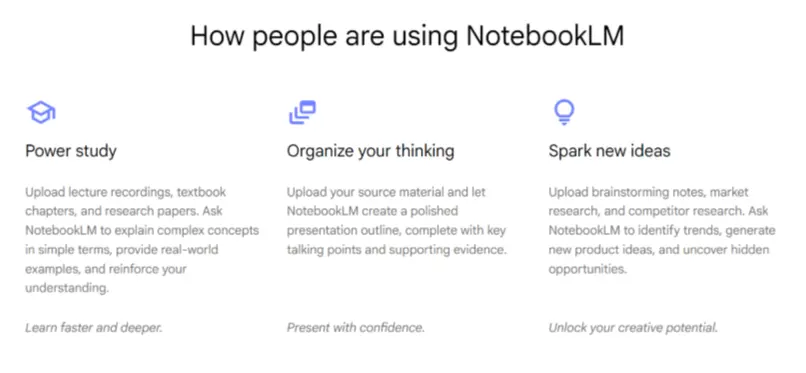
NotebookLM by Google is an AI-powered research assistant that helps users analyze and summarize documents.
Key features:
- Multi-document analysis
- Source-grounded answers
- AI-generated summaries
Why it stands out:
In practice, NotebookLM is powerful for deep research workflows, but lacks structured learning plans and mobile-first usability.
Pricing (as of April 2026):
Free (with Google account)
Platforms:
Web
6. Quizlet — Best for flashcards and repetition
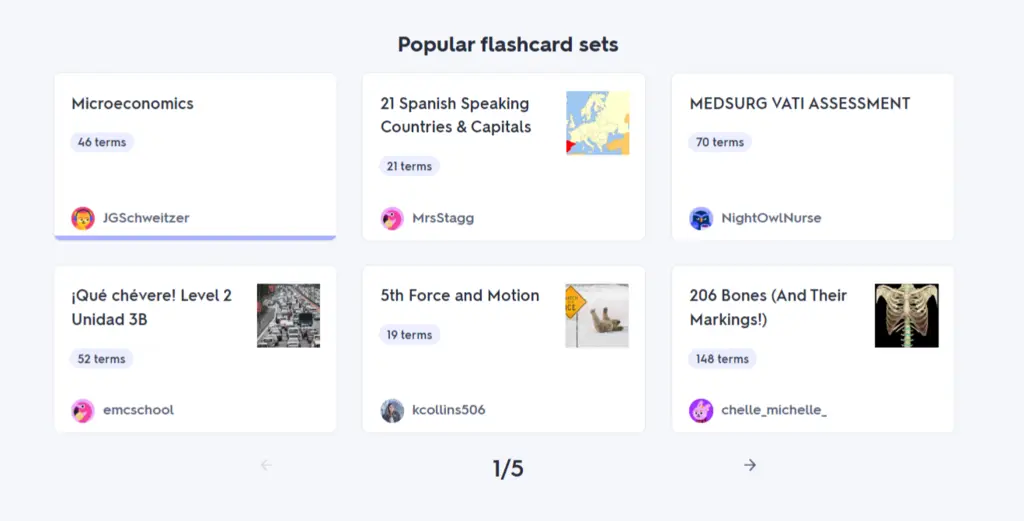
Quizlet uses AI to help students memorize information through spaced repetition.
Key features:
- AI-generated flashcards
- Practice tests
- Study modes
Why it stands out:
Strong for memorization, but in our tests, it doesn’t provide end-to-end learning guidance or content generation.
Pricing (as of April 2026):
- Free plan available
- Quizlet Plus: ~$7.99/month
- And a few other price plans available
Platforms:
iOS, Android, Web
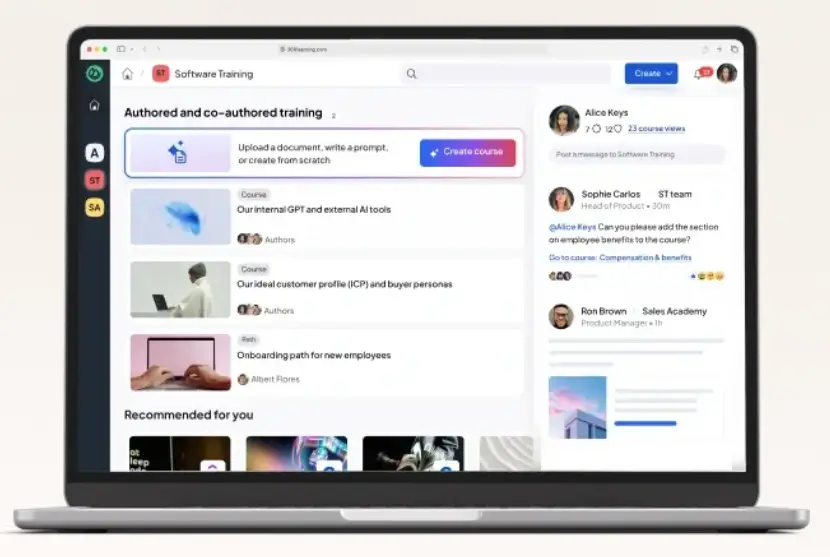
7. 360Learning — Best for collaborative training
360Learning is a corporate learning platform focused on peer-driven learning.
Key features:
- Collaborative course creation
- AI recommendations
- Performance analytics
Why it stands out:
Designed for team environments. In our tests, it’s not optimized for individual learners or flexible consumption formats.
Pricing (as of April 2026):
Enterprise pricing
Platforms:
Web
8. Perusall — Best for group-based academic learning
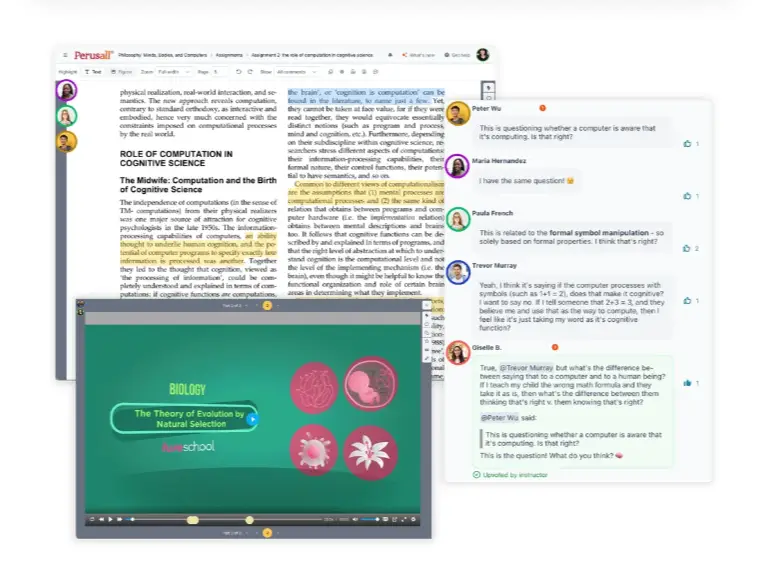
Perusall enables collaborative annotation and discussion around academic texts.
Key features:
- Social annotation
- AI engagement scoring
- Instructor dashboards
Why it stands out:
Strong for classroom interaction, but limited personalization beyond group-based workflows.
Pricing (as of April 2026):
Varies by institution
Platforms:
Web
9. Magic School AI — Best for educators
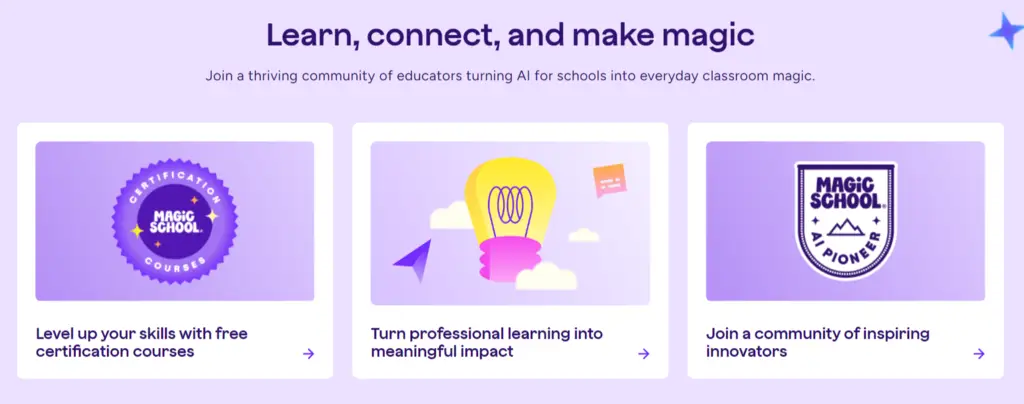
Magic School AI is designed for teachers to create lesson plans and classroom materials.
Key features:
- Lesson generation
- AI grading assistance
- Classroom tools
Why it stands out:
Useful for educators, but not a direct learning tool for end users.
Pricing (as of April 2026):
Free + paid tiers
Platforms:
Web
Head-to-Head: BeFreed vs the Alternatives
- BeFreed vs Duolingo: BeFreed covers broad knowledge; Duolingo focuses on language only
Verdict: BeFreed wins for general learning and flexibility - BeFreed vs NotebookLM: BeFreed delivers structured learning; NotebookLM supports research
Verdict: BeFreed wins for learning, NotebookLM for analysis - BeFreed vs Docebo: BeFreed is personal; Docebo is enterprise-focused
Verdict: Different use cases entirely - BeFreed vs Quizlet: BeFreed builds understanding; Quizlet reinforces memory
Verdict: BeFreed wins for end-to-end learning
Key Insight:
Tools that generate and structure knowledge outperform tools that only organize or repeat it.
Comparison Table
| Tool | Best For | Personalization | Learning Format | Content Source |
| BeFreed | Audio learning | Highly personalized | Audio, text, flashcards | Books, papers, uploads |
| Duolingo | Language | Medium | Gamified lessons | Pre-built content |
| NotebookLM | Research | Medium | Text summaries | Uploaded docs |
| Quizlet | Memorization | Low | Flashcards | User-generated |
| Docebo | Corporate | Medium | LMS modules | Internal content |
| 360Learning | Teams | Medium | Collaborative courses | Internal content |
| Perusall | Education | Low | Annotation | Academic texts |
| Magic School AI | Teachers | Low | Lesson plans | Generated content |
Final Verdict
Top 3 Picks
- BeFreed — best for AI personalized audio learning
- NotebookLM — best for research workflows
- Duolingo — best for language learning
Recommended Stack
- Research: NotebookLM
- Writing: ChatGPT
- Audio learning: BeFreed
- Knowledge storage: Notion
- Presentations: Canva
FAQ
What is AI personalized learning in simple terms?
AI personalized learning adapts content and pacing to each user using data and AI models to improve engagement and outcomes.
Is AI personalized learning better than traditional learning?
Yes for flexibility and engagement. It adapts to your needs, unlike one-size-fits-all traditional systems.
What’s the best AI personalized learning tool for professionals?
For professionals, BeFreed is best for learning on the go through personalized audio lessons.
Can I use AI personalized learning for free?
Yes, many tools offer free plans, but advanced personalization usually requires a paid tier.
What’s the best AI tool for learning while commuting?
BeFreed is the best option because it delivers audio-based personalized lessons you can consume hands-free.
How does AI personalized learning improve retention?
By tailoring content length, difficulty, and format, it reduces cognitive overload and improves engagement.
Is AI learning better than ChatGPT?
ChatGPT is great for answers, but tools like BeFreed provide structured, long-term learning plans.
Can AI turn books into learning content?
Yes. Tools like BeFreed can convert books and research into personalized lessons or audio formats.