The Chartered Financial Analyst (CFA) program is renowned for its rigor and depth, attracting thousands of aspiring finance professionals worldwide each year. Achieving the prestigious CFA charter requires passing three levels of exams, each increasingly challenging. Given the intensity of preparation required, candidates often rely on mock exams as a crucial component of their study regimen.
These mock exams are designed to simulate the actual test environment and content, offering candidates an opportunity to assess their readiness and identify areas for improvement. However, the question remains: Are CFA mock exams truly similar to the actual exam cfa esg mock exam
To answer this question effectively, we need to delve into the structure, content, and purpose of both the mock exams and the actual CFA exams.
Understanding CFA Mock Exams
Mock exams are practice tests created by third-party providers or CFA Institute itself, specifically tailored to mimic the format, difficulty, and content of the actual CFA exams. They typically cover all the major topics and learning outcomes outlined in the official CFA curriculum, providing candidates with a comprehensive assessment of their knowledge and skills.
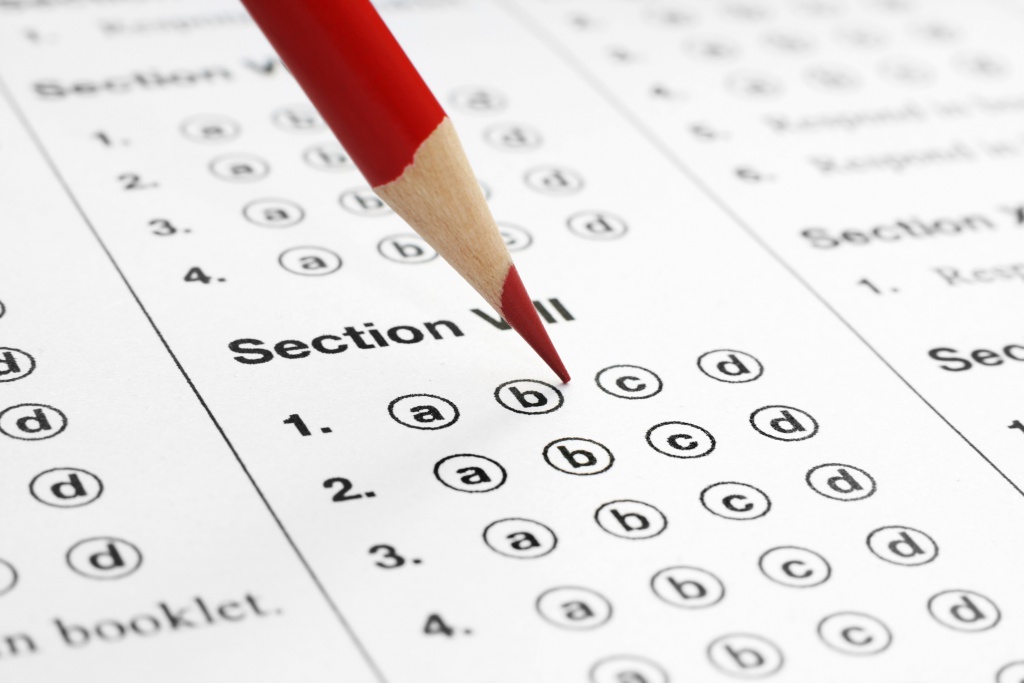
Mock exams are often timed to replicate the time constraints of the actual exam, with multiple-choice questions (MCQs) and constructed-response (essay) questions resembling those found in the real test. Some providers even offer computer-based mock exams, further enhancing the simulation of the exam experience.
The primary purpose of mock exams is twofold: first, to gauge a candidate’s readiness for the actual exam by assessing their grasp of the material and ability to apply it under exam conditions, and second, to help identify strengths and weaknesses, enabling candidates to focus their study efforts more effectively.
Strategies for Maximizing the Effectiveness of CFA Mock Exams
To maximize the effectiveness of CFA mock exams, candidates can employ several strategic approaches tailored to their individual learning styles and needs. Firstly, it’s essential to treat mock exams with the same seriousness as the actual CFA exam. This means simulating exam conditions as closely as possible, including adhering to time limits, avoiding distractions, and maintaining focus throughout the entire exam duration.
Additionally, candidates should use mock exams strategically to identify areas of weakness and prioritize their study efforts accordingly. After completing a mock exam, thorough review of both correct and incorrect answers is crucial for understanding underlying concepts and refining problem-solving techniques. Moreover, incorporating mock exams into a consistent study schedule allows candidates to track their progress over time and build confidence leading up to the actual exam.
Lastly, seeking feedback from peers, mentors, or professional tutors can provide valuable insights and perspectives for further improvement. By implementing these strategies, candidates can effectively leverage CFA mock exams as a powerful tool for exam preparation and success.
The Actual CFA Exam: What to Expect
The actual CFA exams are rigorous and demanding, testing candidates’ understanding of a wide range of financial topics, including ethics, quantitative methods, economics, financial reporting and analysis, corporate finance, equity investments, fixed income, derivatives, alternative investments, and portfolio management.
Each level of the CFA exam consists of multiple-choice questions (MCQs) and constructed-response (essay) questions, with the number and format of questions varying slightly between levels. Level I comprises MCQs only, while Levels II and III include both MCQs and constructed-response questions, also known as item sets and essay vignettes, respectively.
The exams are administered in June for all three levels and in December for Level I, with candidates required to demonstrate not only a solid understanding of the material but also the ability to apply it in real-world scenarios click this spoto site
Comparing Mock Exams to the Actual Exam
Now that we understand the nature of both mock exams and the actual CFA exams, let’s assess their similarities and differences.
1. Content Coverage:
Mock exams are designed to cover the same breadth of topics as the actual CFA exams, ensuring that candidates are adequately prepared for the range of questions they may encounter. Both mock exams and the actual exams draw from the official CFA curriculum, with questions reflecting the learning outcomes outlined therein.
2. Format and Structure:
Mock exams closely mimic the format and structure of the actual CFA exams, including the types of questions (MCQs and constructed-response), time limits, and weighting of topics. This allows candidates to familiarize themselves with the exam format and practice time management strategies.
3. Difficulty Level:
Mock exams strive to replicate the difficulty level of the actual CFA exams, presenting candidates with challenging questions that require critical thinking and application of concepts. While it’s challenging to perfectly match the difficulty of the real exams, mock exams aim to provide a realistic approximation to help candidates gauge their preparedness.
4. Feedback and Scoring:
After completing a mock exam, candidates receive feedback on their performance, including their overall score and performance by topic area. This feedback is invaluable for identifying strengths and weaknesses and guiding further study efforts. However, it’s essential to note that mock exam scores may not perfectly correlate with actual exam performance due to variations in question difficulty and candidate preparedness.
Conclusion
In conclusion, CFA mock exams play a vital role in candidates’ exam preparation by simulating the format, content, and difficulty of the actual CFA exams. While they may not be identical to the real exams, they provide an invaluable opportunity for candidates to assess their readiness, identify areas for improvement, and practice essential exam-taking skills.
Ultimately, success on the actual CFA exams requires diligent study, practice, and mastery of the material. Mock exams serve as a valuable tool in this process, helping candidates build confidence, refine their strategies, and ultimately achieve their goal of earning the prestigious CFA charter. So, while mock exams may not be identical to the actual exam, they are undoubtedly a crucial component of a comprehensive study plan for CFA candidates.
Technology Perspective
Technology continues to transform industries through artificial intelligence, cloud computing, automation, cybersecurity, digital platforms, and data-driven decision making. As organizations increasingly adopt digital solutions, understanding emerging technologies becomes essential for businesses, professionals, and consumers. DGM News regularly covers these developments through expert analysis, technology news, and educational resources.
Innovation Outlook
Rapid advances in artificial intelligence, automation, machine learning, cloud infrastructure, and digital transformation continue reshaping global industries. Monitoring these developments helps organizations adapt to changing technologies, improve efficiency, and prepare for future innovation.
Did you know?
Artificial Intelligence is expected to influence nearly every major industry over the coming decade, from healthcare and finance to transportation, manufacturing, education, and entertainment.
AI, Machine Learning, Deep Learning and Generative AI Explained
Google AI Updates
About DGM News
DGM News is an independent digital publication delivering the latest Technology News, AI News, and FinTech News. We provide expert insights on startups, innovation, cybersecurity, software, business, gadgets, cloud computing, artificial intelligence, and emerging technologies. Our mission is to publish informative, accurate, and regularly updated content that helps readers stay informed in today's rapidly evolving digital landscape.
Since our editorial focus includes technology, artificial intelligence, and financial technology, we continuously expand our coverage as new innovations emerge.
Editorial Standards
Every article published on DGM News undergoes editorial review before publication. We prioritize factual accuracy, clarity, transparency, and reader value while following responsible digital publishing practices.
Research Methodology
Our editorial team researches publicly available information from official announcements, technical documentation, research publications, developer resources, reputable industry reports, and trusted public sources whenever applicable. Information is reviewed to improve clarity and accuracy before publication.
Fact-Checking Policy
We make reasonable efforts to verify factual information before publishing. Articles are reviewed for accuracy, consistency, and relevance. If significant developments occur after publication, content may be revised to reflect updated information.
Update Policy
Technology evolves rapidly. Articles may be reviewed and updated periodically to reflect software releases, AI developments, security advisories, regulatory updates, product launches, and other important industry changes.
Source Verification
Whenever possible, DGM News reviews information using official company announcements, technical documentation, research publications, government resources, publicly available reports, and reputable industry references before updating articles.
Editorial Independence
DGM News maintains editorial independence in all publishing decisions. Editorial content is produced independently and is intended to provide balanced, informative, and reader-focused coverage without influence from advertisers or commercial partnerships.
AI Usage Disclosure
Artificial intelligence tools may assist with research organization, grammar improvement, formatting, or editorial workflows. Every article is reviewed by human editors before publication to help maintain quality, clarity, and factual accuracy.
Corrections Policy
Accuracy is important to us. If readers identify outdated information or factual inaccuracies, they are encouraged to contact our editorial team. Verified corrections are reviewed and incorporated whenever appropriate.
Reader Feedback
Reader feedback helps improve our journalism. We welcome suggestions, corrections, and constructive feedback through our Contact page to continuously improve the quality of our reporting.
Last Editorial Review
This article follows the DGM News editorial review process and may be updated periodically as new information becomes available.
Why Trust DGM News?
DGM News is committed to publishing technology journalism that emphasizes accuracy, transparency, editorial independence, and regularly updated information. Our editorial process is designed to provide readers with reliable coverage of technology, AI, fintech, startups, and digital innovation.
DGM News Resources
Topics We Cover
Artificial Intelligence • AI Tools • Machine Learning • FinTech • Cybersecurity • Cloud Computing • Programming • Software Development • Gadgets • Mobile Technology • Business Technology • Startups • Digital Marketing • Blockchain • Cryptocurrency • Science • Innovation • Consumer Technology • Enterprise Technology • Automation