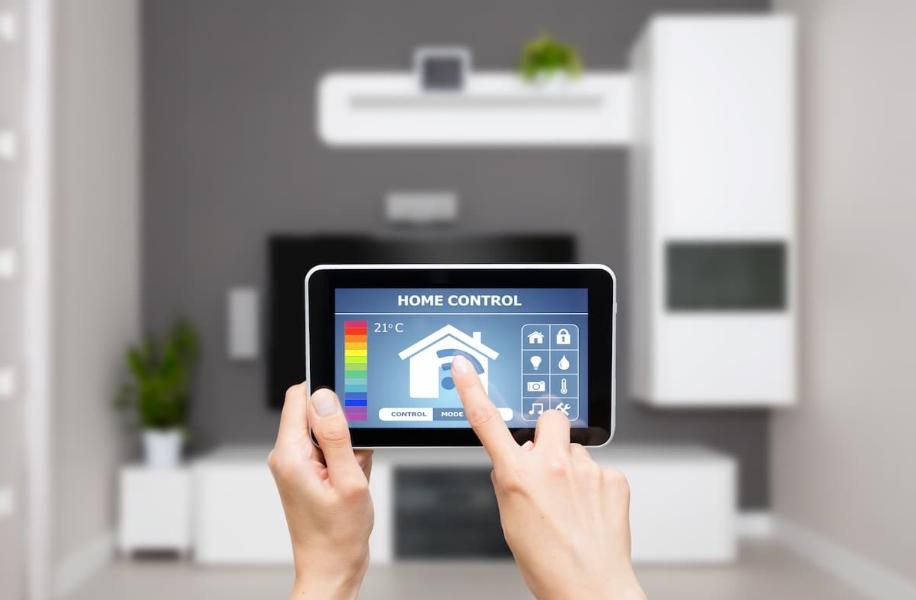
In the rapidly evolving world of technology, the question “how can I control my IoT remotely?” is becoming increasingly relevant. As more devices become connected to the Internet of Things (IoT), the ability to manage and control these devices from afar is not only convenient but essential. This article provides an in-depth look at the various methods available to control IoT devices remotely, ensuring you can maximize the benefits of your smart home or business environment.
Understanding IoT and Remote Control
The Internet of Things refers to a network of physical objects embedded with sensors, software, and other technologies to connect and exchange data with other devices and systems over the internet. The concept of remote control in IoT allows users to manage these devices from any location using various technologies and platforms.
Smartphone Applications
One of the primary answers to “how can I control my IoT remotely?” lies in smartphone applications. These apps are specifically designed to interface with IoT devices, providing a user-friendly platform for monitoring and controlling various systems. Whether it’s a smart thermostat, lighting system, or security camera, smartphone apps offer a convenient and intuitive way to manage your IoT ecosystem.
Popular IoT Control Apps
- Google Home: Integrates with a wide range of smart devices, allowing you to control everything from lighting to security systems.
- Amazon Alexa: Known for its compatibility with numerous smart home devices, providing voice control and remote management features.
- Apple HomeKit: Offers a seamless experience for iOS users, integrating with various smart home devices through the Home app.
Voice Assistants
Another effective method to address “how can I control my IoT remotely?” is through the use of voice assistants. Devices like Amazon Alexa, Google Assistant, and Apple’s Siri can be linked to your IoT network, enabling voice commands to control various devices. This hands-free approach is not only convenient but also enhances accessibility for users.
Benefits of Voice Control
- Ease of Use: Voice commands are simple and intuitive, reducing the need for complex interactions with multiple apps.
- Accessibility: Voice control is particularly beneficial for individuals with mobility or vision impairments.
- Integration: Voice assistants often integrate seamlessly with a wide range of IoT devices, offering a cohesive user experience.
Cloud Platforms
Cloud platforms provide a robust solution to “how can I control my IoT remotely?“ By connecting your devices to a cloud service, you can access and manage them from any internet-enabled device. This ensures that you have continuous control over your IoT systems, regardless of your physical location.
Top Cloud Platforms for IoT
- Amazon Web Services (AWS) IoT: Offers scalable and secure IoT cloud solutions, making it easier to connect and manage devices.
- Microsoft Azure IoT: Provides comprehensive tools for building and maintaining IoT applications, with strong security features.
- Google Cloud IoT: Delivers a fully managed service to connect, manage, and ingest data from globally dispersed devices.
Web Portals
For those wondering, “how can I control my IoT remotely?”, web portals present another effective method. Many IoT systems provide online dashboards that allow users to log in and control their devices. These portals offer a centralized interface to manage multiple devices and monitor their status in real-time.
Advantages of Web Portals
- Centralized Management: Web portals consolidate control functions into a single interface, simplifying device management.
- Real-time Monitoring: Users can access real-time data and status updates from their IoT devices.
- Remote Access: As long as you have internet access, you can manage your IoT devices from anywhere in the world.
Automated Systems and Routines
Automation is a key component in answering “how can I control my IoT remotely?” By setting up automation rules, your devices can perform actions based on specific triggers without the need for manual intervention. This can include actions like turning lights on at sunset or adjusting the thermostat when you leave home.
Setting Up Automation
- IFTTT (If This Then That): A popular platform that allows users to create custom automation rules linking different IoT devices and services.
- SmartThings: Samsung’s IoT platform offers extensive automation capabilities, enabling users to set up complex routines.
- Home Assistant: An open-source home automation platform that puts local control and privacy first, with extensive customization options.
Security Considerations
When exploring “how can I control my IoT remotely?”, security should be a top priority. Remote control of IoT devices involves transmitting data over the internet, which can be vulnerable to cyber-attacks. Ensuring robust security measures are in place is crucial.
Enhancing IoT Security
- Strong Passwords: Use complex passwords and change them regularly to protect your devices.
- Encryption: Ensure that data transmitted between devices and cloud platforms is encrypted.
- Regular Updates: Keep your IoT devices and software up-to-date with the latest security patches.
Conclusion
Understanding “how can I control my IoT remotely?” is essential for leveraging the full potential of your smart devices. Whether through smartphone applications, voice assistants, cloud platforms, web portals, or automated systems, remote control of IoT devices offers unparalleled convenience, efficiency, and security. By implementing these methods, you can ensure that your IoT ecosystem is always within reach, no matter where you are.
Technology Perspective
Technology continues to transform industries through artificial intelligence, cloud computing, automation, cybersecurity, digital platforms, and data-driven decision making. As organizations increasingly adopt digital solutions, understanding emerging technologies becomes essential for businesses, professionals, and consumers. DGM News regularly covers these developments through expert analysis, technology news, and educational resources.
Innovation Outlook
Rapid advances in artificial intelligence, automation, machine learning, cloud infrastructure, and digital transformation continue reshaping global industries. Monitoring these developments helps organizations adapt to changing technologies, improve efficiency, and prepare for future innovation.
Did you know?
Artificial Intelligence is expected to influence nearly every major industry over the coming decade, from healthcare and finance to transportation, manufacturing, education, and entertainment.
AI, Machine Learning, Deep Learning and Generative AI Explained
Google AI Updates
About DGM News
DGM News is an independent digital publication delivering the latest Technology News, AI News, and FinTech News. We provide expert insights on startups, innovation, cybersecurity, software, business, gadgets, cloud computing, artificial intelligence, and emerging technologies. Our mission is to publish informative, accurate, and regularly updated content that helps readers stay informed in today's rapidly evolving digital landscape.
Since our editorial focus includes technology, artificial intelligence, and financial technology, we continuously expand our coverage as new innovations emerge.
Editorial Standards
Every article published on DGM News undergoes editorial review before publication. We prioritize factual accuracy, clarity, transparency, and reader value while following responsible digital publishing practices.
Research Methodology
Our editorial team researches publicly available information from official announcements, technical documentation, research publications, developer resources, reputable industry reports, and trusted public sources whenever applicable. Information is reviewed to improve clarity and accuracy before publication.
Fact-Checking Policy
We make reasonable efforts to verify factual information before publishing. Articles are reviewed for accuracy, consistency, and relevance. If significant developments occur after publication, content may be revised to reflect updated information.
Update Policy
Technology evolves rapidly. Articles may be reviewed and updated periodically to reflect software releases, AI developments, security advisories, regulatory updates, product launches, and other important industry changes.
Source Verification
Whenever possible, DGM News reviews information using official company announcements, technical documentation, research publications, government resources, publicly available reports, and reputable industry references before updating articles.
Editorial Independence
DGM News maintains editorial independence in all publishing decisions. Editorial content is produced independently and is intended to provide balanced, informative, and reader-focused coverage without influence from advertisers or commercial partnerships.
AI Usage Disclosure
Artificial intelligence tools may assist with research organization, grammar improvement, formatting, or editorial workflows. Every article is reviewed by human editors before publication to help maintain quality, clarity, and factual accuracy.
Corrections Policy
Accuracy is important to us. If readers identify outdated information or factual inaccuracies, they are encouraged to contact our editorial team. Verified corrections are reviewed and incorporated whenever appropriate.
Reader Feedback
Reader feedback helps improve our journalism. We welcome suggestions, corrections, and constructive feedback through our Contact page to continuously improve the quality of our reporting.
Last Editorial Review
This article follows the DGM News editorial review process and may be updated periodically as new information becomes available.
Why Trust DGM News?
DGM News is committed to publishing technology journalism that emphasizes accuracy, transparency, editorial independence, and regularly updated information. Our editorial process is designed to provide readers with reliable coverage of technology, AI, fintech, startups, and digital innovation.
DGM News Resources
Topics We Cover
Artificial Intelligence • AI Tools • Machine Learning • FinTech • Cybersecurity • Cloud Computing • Programming • Software Development • Gadgets • Mobile Technology • Business Technology • Startups • Digital Marketing • Blockchain • Cryptocurrency • Science • Innovation • Consumer Technology • Enterprise Technology • Automation