A messy baby room is not just an eyesore. It is a safety problem. Parents spend an average of 30 minutes a day searching for baby items. That is 182 hours a year wasted. Smart storage fixes that fast. The right nursery drawers do more than hold nappies. They shape how the whole room works, how fast you move at 3am, and how safe your baby’s space actually is. This guide breaks it all down without the fluff.
Why Does Nursery Clutter Actually Matter?
Clutter in a baby room creates real risk. The American Academy of Pediatrics links loose items near sleep areas to suffocation danger. Beyond safety, a disorganised room raises parental stress levels. Studies from Princeton found that clutter competes for attention in the brain, making it harder to focus. For sleep-deprived parents, that is brutal. A tidy room means faster nappy changes, less fumbling in the dark, and a calmer night overall.
What Types of Storage Drawers Work Best in a Nursery?
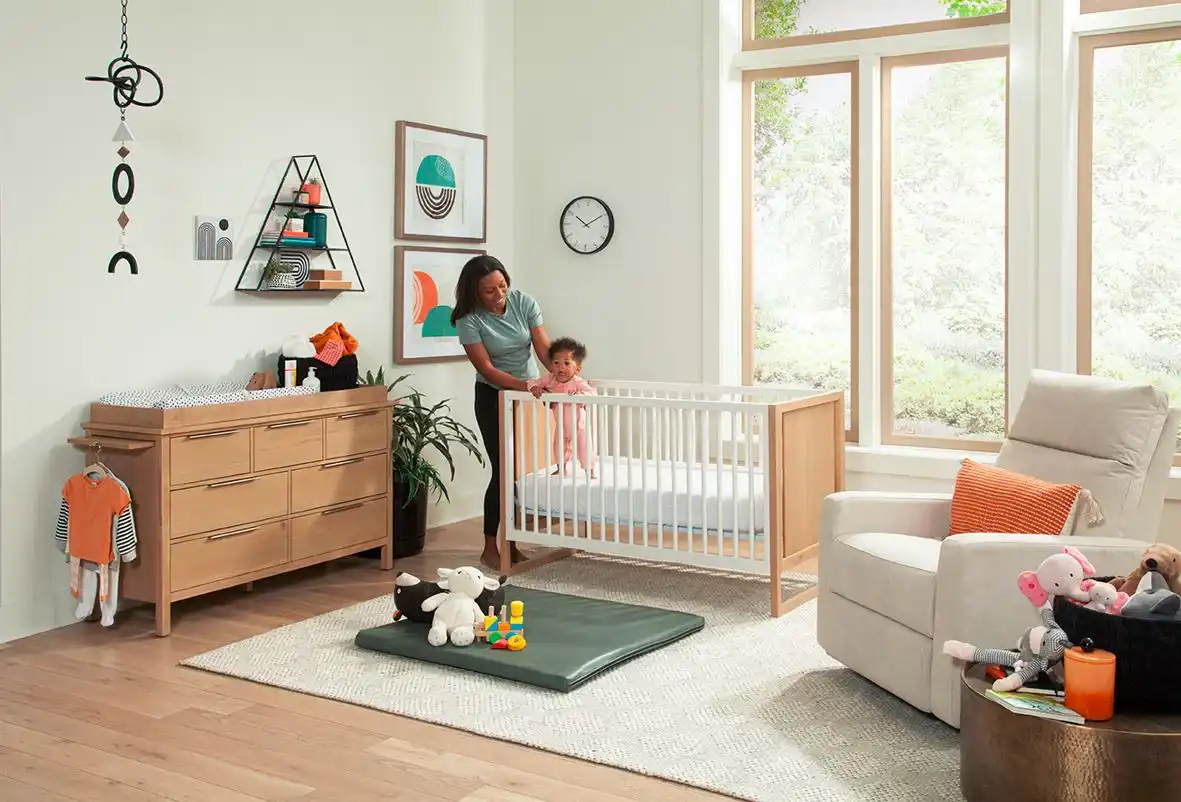
Not all drawers are equal. Shallow drawers work best for nappies and wipes. You need to see everything at a glance. Deep drawers suit folded clothing, spare sheets, and bulkier items. Look for smooth-glide runners. You will open these drawers one-handed while holding a baby. Chunky or stiff pulls will drive you insane at midnight. Rounded corners are non-negotiable. Sharp furniture edges send over 28,000 children to US emergency rooms every year.
How Many Drawers Does a Baby Room Actually Need?
More than you think. The average newborn needs storage for 70 plus items in the first three months. That includes 20 to 30 onesies, multiple swaddle cloths, nappy supplies, skincare products, spare dummies, and seasonal clothing. Industry data from nursery furniture brands shows that parents consistently underestimate drawer space by 40 percent. A chest with at least five to six drawers is realistic for the first year. Add a small bedside set of two to three shallow drawers specifically for night feeds.
Where Should You Place Drawers in the Room Layout?
Placement matters more than people admit. Drawers closest to the change table cut your search time in half during nappy changes. Never put tall drawer units near cribs. If they tip, the consequences are catastrophic. IKEA recalled over 29 million dressers in 2016 after six children died from tip-overs. Wall-anchor your units. Every single time. Position your most-used drawer at hip height so you can access it without bending while holding your baby.
Do Nursery Drawers Need to Be Part of a Matching Set?
No. Matching looks nice in photos but function wins. Mix a tall unit for clothing with a lower, wide unit for bedding. What matters is that every drawer has a defined purpose. Label them. Sounds basic but it makes a massive difference when your partner needs to find the thermometer at 2am and has no idea where anything lives. Designated zones cut household frustration and keep the room working long term.
What Materials Are Safest for Nursery Furniture?
VOC emissions from cheap particleboard can linger in a sealed room for years. Babies breathe 40 breaths per minute compared to an adult’s 12 to 20. Their exposure rate is proportionally higher. Solid wood or low-VOC certified MDF are the safest picks. Look for GREENGUARD Gold certification. It is the toughest indoor air quality standard for children’s products. Paint finishes should be water-based and fully cured before you move anything into the room.
Can Nursery Drawers Grow With Your Child?
The best ones do. Convertible storage systems that work from newborn through toddler years save serious money. A good nursery drawer set costs between $300 and $800 Australian dollars. Replacing it every two years doubles that spend. Look for units that transition from nappy storage to toy storage to clothing drawers as your child grows. Adjustable dividers are underrated. They let you reconfigure the same drawer for different life stages without buying new furniture.