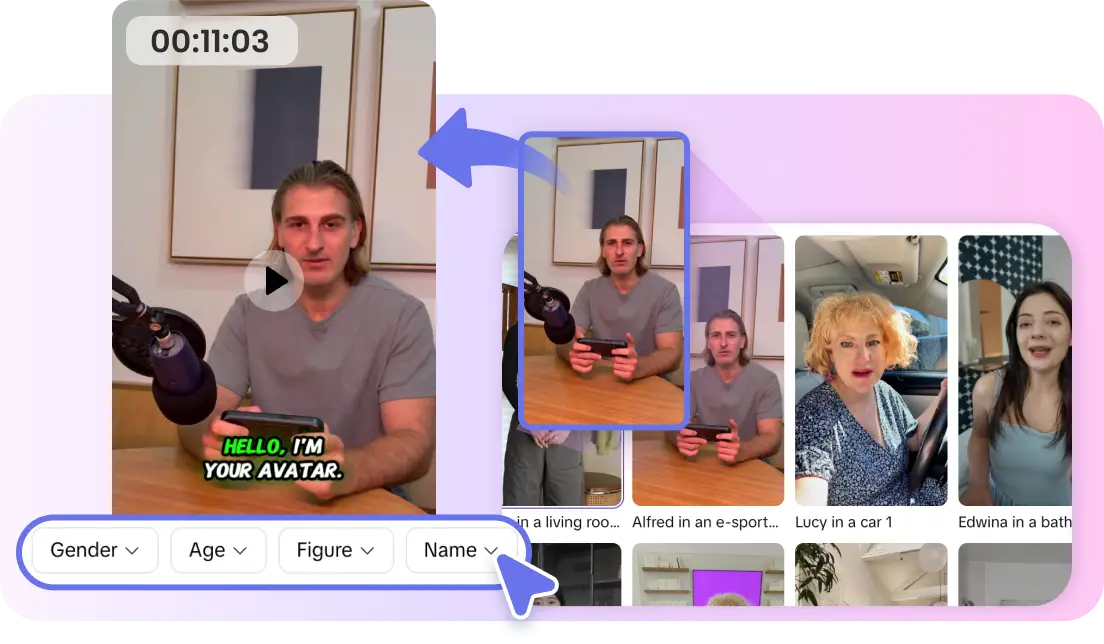
The way people present themselves online is changing faster than ever. A few years ago, having a profile picture and some written content was enough. Today, audiences expect something more engaging, more human, and more interactive. This is where AI avatars are starting to make a real impact.
Instead of relying on static images or traditional videos, creators, educators, and businesses are now using tools like Pippit ai avatar technology to build lifelike digital identities. These avatars don’t just “exist” on screen they speak, react, and communicate in ways that feel surprisingly natural.
Why Static Content Is Losing Its Power
Let’s be honest, people scroll fast. Very fast. Text-heavy pages, plain slides, or generic visuals struggle to hold attention. Even well-written content can be ignored if it doesn’t feel engaging enough. That’s exactly why AI avatars are gaining attention. They bring a human-like presence into digital spaces without needing a camera, studio, or on-screen presenter.
From personal observation, content that includes a speaking avatar often keeps users engaged longer compared to simple text or static visuals.
What Makes an AI Avatar Feel “Real”
An AI avatar is not just a cartoon or animation. It’s a digital character powered by advanced systems that combine:
- Natural language processing
- Voice synthesis
- Facial expression modeling
- Motion tracking
The result? A virtual presenter that can talk, express emotions, and deliver information in a way that feels closer to real human interaction.
This shift is especially important in areas like education, where clarity and engagement directly affect learning outcomes.
Why Pippit Is Getting Attention
There are many tools in the market, but not all of them strike the right balance between simplicity and quality. Pippit stands out because it focuses on making an avatar maker accessible without sacrificing realism.
One of the key strengths is its integration of advanced language understanding, which helps avatars respond more naturally to user input. Instead of sounding robotic or scripted, the output feels more conversational.
From a usability perspective, the platform allows users to:
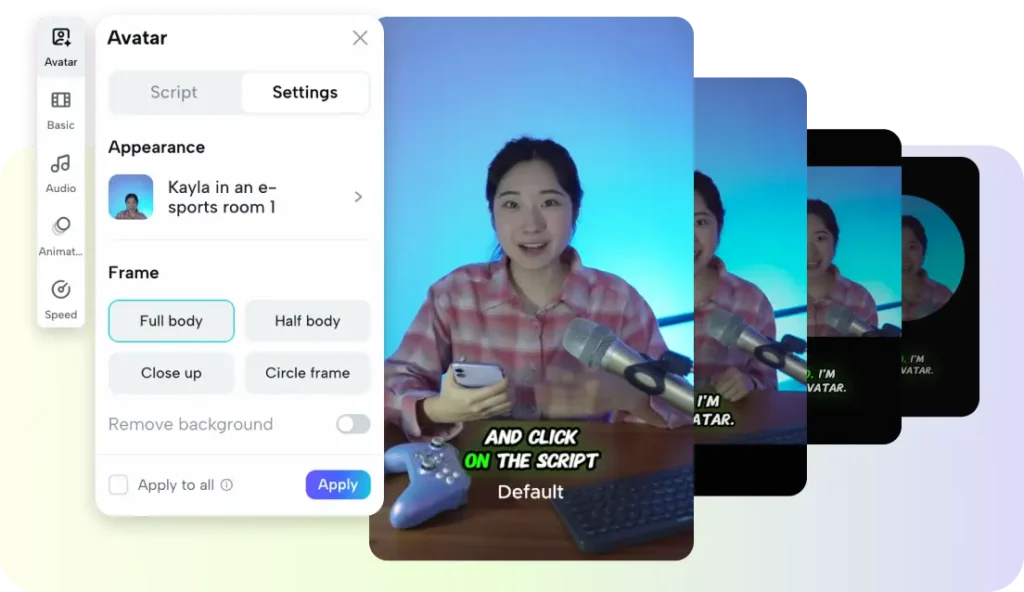
- Create avatars without technical skills
- Adjust voice tone and expressions
- Maintain consistent visual identity
- Use avatars across multiple types of content
This balance between control and automation makes it useful for both beginners and experienced creators.
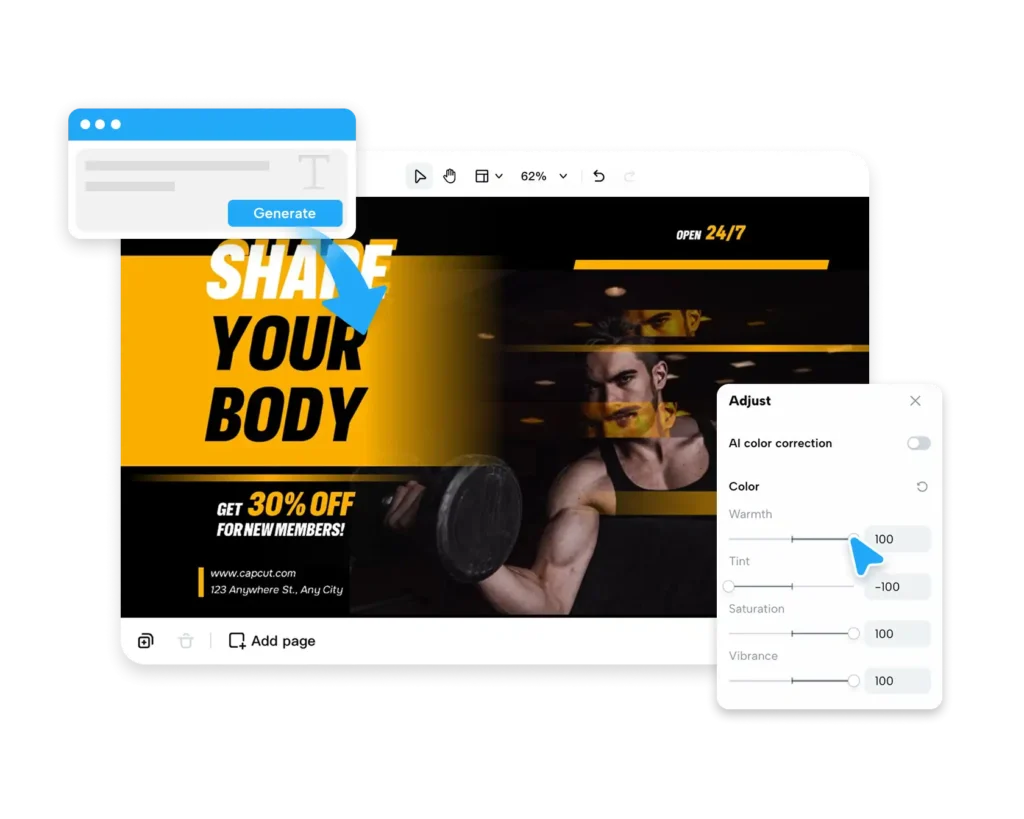
Where AI Avatars Are Actually Being Used
AI avatars are no longer experimental; they are already being used in real-world scenarios.
Education
Teachers and course creators use avatars to explain lessons in a more engaging format. It helps simplify complex topics and keeps learners focused.
Business Communication
Companies use avatars for onboarding, internal training, and customer support videos. It saves time while maintaining a professional tone.
Marketing & Branding
Brands use consistent digital presenters instead of changing faces or styles. This improves recognition and trust.
Content Creation
Creators use avatars for YouTube videos, explainers, and social media content without needing to appear on camera.
The Real Advantage: Scalability
One of the biggest benefits of using an AI avatar is scalability.
Once created, the same avatar can be used to produce:
- Multiple videos
- Training content
- Marketing campaigns
- Educational material
There’s no need for repeated filming or editing. This is especially useful for websites that rely on consistent content output.
How AI Avatars Help with SEO (Indirectly)
AI avatars don’t directly “rank” your website but they improve the signals that matter.
When users stay longer on a page, interact more, and consume content fully, search engines notice.
Adding avatar-based videos can:
- Increase time on page
- Reduce bounce rate
- Improve engagement
- Encourage repeat visits
When combined with strong written content, this creates a more complete and valuable user experience.
A More Human Way to Communicate Online
One interesting shift is how AI avatars make digital communication feel less mechanical.
Even though they are AI-generated, tools like the ai avatar maker create a strong sense of presence. For users, it feels closer to being guided by a person rather than reading a block of text.
This is particularly useful for:
- Tutorials
- Product explanations
- Educational guides
- Step-by-step walkthroughs
Final Thoughts
AI avatars are not just another tech trend, they are becoming a practical tool for modern communication. With platforms like Pippit, creating a digital identity is no longer limited to professionals with big budgets or technical teams. Anyone can build a consistent, engaging presence online.
For websites trying to grow, build trust, and keep users engaged, integrating AI avatars is not just innovation, it’s a smart long-term strategy.
FAQs
What is an AI avatar?
An AI avatar is a digital character that can speak, express emotions, and present information using artificial intelligence.
Is Pippit suitable for beginners?
Yes, it is designed to be simple enough for new users while still offering advanced features.
Can AI avatars replace real presenters?
Not completely. They are best used for scalable, repetitive, or multilingual content.
Do AI avatars improve SEO?
Indirectly, yes. They improve engagement metrics like time on page and user interaction.