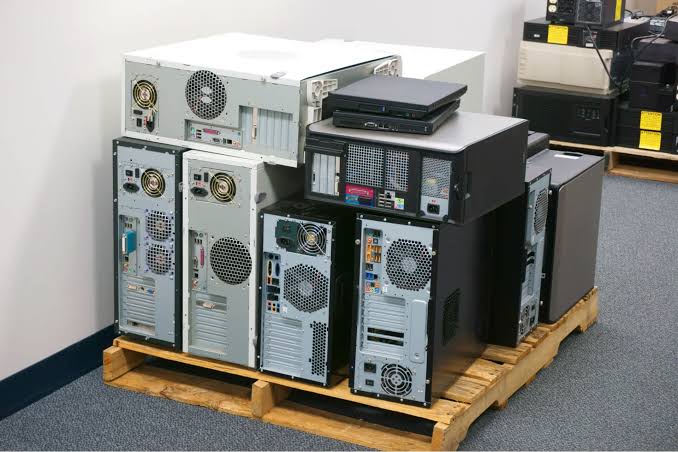
In today’s technology-driven world, computers have become indispensable tools in our daily lives, working environments, and academic settings. However, as technology evolves rapidly, devices quickly become obsolete, leading to a pressing issue: how to dispose of them responsibly.
Incorrect disposal of old computers can result in significant environmental harm due to hazardous materials like lead, mercury, and cadmium in electronic devices. According to the Environmental Protection Agency (EPA), e-waste accounts for a significant portion of global waste, making it imperative for individuals to act responsibly.
Key Takeaways
- Proper disposal of computers helps protect the environment.
- Donating, recycling, and repurposing are great options for old computers.
- Data security should be a primary concern before disposal.
- Various organizations and programs facilitate responsible computer recycling.
Ways to Dispose of Old Computers
There are several effective ways to dispose of your old computers that benefit your community and the environment. Understanding what to do with old laptop and desktop computers can substantially reduce e-waste and promote sustainability. Each method has its own set of advantages, and the choice often depends on the condition of the computer and the resources available to you.
Donate Your Old Computer
One of the most impactful ways to dispose of an old computer is to donate it, provided it’s still working. Many organizations, educational institutions, and non-profits can benefit significantly from older but still functional computers. Donating extends the life of your device and supports educational or charitable initiatives.
Websites like DonateTech can help you find worthy recipients, making the process straightforward. For instance, schools and community centers often look for affordable ways to provide technology access to students or members, bridging the digital divide. By donating, you’re reducing e-waste and contributing to social good.
Recycle the Components
If your computer is no longer functional or outdated, recycling its components is a highly effective option. Computer recycling programs are designed to dismantle your device safely, ensuring that harmful materials are appropriately managed. Many electronic manufacturers offer take-back programs where they handle the recycling processes ethically and safely.
Local recycling centers are also equipped to manage and recycle electronic devices without causing environmental harm. For instance, materials like metals, plastics, and glass can be recovered and reused to produce new electronics, reducing the need for raw materials.
Repurpose Parts
If you’re technically inclined, repurposing parts of your old computer can be viable. Components such as hard drives, RAM, and motherboards can often be removed and used to upgrade other devices or as backups. Many online tutorials and forums guide you through the process of creatively repurposing old components.
For example, an old hard drive can be converted into an external storage device, providing additional storage while reducing e-waste.
Ensuring Data Security Before Disposal
Before you donate or recycle your computer, you must ensure that all personal data is securely erased. Data security should always be a top priority, as sensitive information could be retrieved if not correctly handled. Various software tools can help you securely wipe data from your computer, ensuring that it cannot be recovered.
Alternatively, consider physically destroying the hard drive if you prefer a more physical approach. This can be done using a hammer to shatter the drive’s platters or taking it to a professional data destruction service.
Finding and Using Responsible Disposal Programs
Many responsible organizations and initiatives help manage e-waste, making it easier for individuals to dispose of old computers responsibly. Companies like Best Buy and Staples offer recycling services for electronics, ensuring that these items are processed in an environmentally friendly manner.
Participating in these programs helps minimize e-waste and promotes sustainable practices. Additionally, these companies often provide incentives such as discounts or trade-in offers for new electronics when you recycle your old ones with them.
Check for Local E-Waste Events
Many municipalities host e-waste collection events where residents can drop off old electronics, including computers, for proper disposal. Check your local government’s website for information on upcoming events.
These events typically partner with certified e-waste recyclers to ensure that collected electronics are handled in a manner that complies with environmental regulations. Participating in these events contributes to a community-wide effort to manage e-waste responsibly.
Utilize Manufacturer Take-back Programs
Several computer manufacturers have take-back programs designed to recycle old devices. Brands like Apple, Dell, and HP have established programs that make disposal of outdated technology easy and environmentally responsible.
These programs often provide detailed instructions on preparing your device for recycling and where to send it. Some manufacturers even offer free shipping labels, making the process convenient and cost-effective.
Conclusion
Disposing old computers is crucial for protecting the environment, supporting community initiatives, and safeguarding personal data. Whether you donate, recycle, or repurpose, each option is critical in managing e-waste effectively. By taking these steps, we contribute to a healthier planet and a more resourceful society.
Remember, every small action counts regarding reducing e-waste and promoting sustainable practices. By being mindful of how we dispose of our electronic devices, we can significantly impact the environment and our communities.
Technology Perspective
Technology continues to transform industries through artificial intelligence, cloud computing, automation, cybersecurity, digital platforms, and data-driven decision making. As organizations increasingly adopt digital solutions, understanding emerging technologies becomes essential for businesses, professionals, and consumers. DGM News regularly covers these developments through expert analysis, technology news, and educational resources.
Innovation Outlook
Rapid advances in artificial intelligence, automation, machine learning, cloud infrastructure, and digital transformation continue reshaping global industries. Monitoring these developments helps organizations adapt to changing technologies, improve efficiency, and prepare for future innovation.
Did you know?
Artificial Intelligence is expected to influence nearly every major industry over the coming decade, from healthcare and finance to transportation, manufacturing, education, and entertainment.
AI, Machine Learning, Deep Learning and Generative AI Explained
Google AI Updates
About DGM News
DGM News is an independent digital publication delivering the latest Technology News, AI News, and FinTech News. We provide expert insights on startups, innovation, cybersecurity, software, business, gadgets, cloud computing, artificial intelligence, and emerging technologies. Our mission is to publish informative, accurate, and regularly updated content that helps readers stay informed in today's rapidly evolving digital landscape.
Since our editorial focus includes technology, artificial intelligence, and financial technology, we continuously expand our coverage as new innovations emerge.
Editorial Standards
Every article published on DGM News undergoes editorial review before publication. We prioritize factual accuracy, clarity, transparency, and reader value while following responsible digital publishing practices.
Research Methodology
Our editorial team researches publicly available information from official announcements, technical documentation, research publications, developer resources, reputable industry reports, and trusted public sources whenever applicable. Information is reviewed to improve clarity and accuracy before publication.
Fact-Checking Policy
We make reasonable efforts to verify factual information before publishing. Articles are reviewed for accuracy, consistency, and relevance. If significant developments occur after publication, content may be revised to reflect updated information.
Update Policy
Technology evolves rapidly. Articles may be reviewed and updated periodically to reflect software releases, AI developments, security advisories, regulatory updates, product launches, and other important industry changes.
Source Verification
Whenever possible, DGM News reviews information using official company announcements, technical documentation, research publications, government resources, publicly available reports, and reputable industry references before updating articles.
Editorial Independence
DGM News maintains editorial independence in all publishing decisions. Editorial content is produced independently and is intended to provide balanced, informative, and reader-focused coverage without influence from advertisers or commercial partnerships.
AI Usage Disclosure
Artificial intelligence tools may assist with research organization, grammar improvement, formatting, or editorial workflows. Every article is reviewed by human editors before publication to help maintain quality, clarity, and factual accuracy.
Corrections Policy
Accuracy is important to us. If readers identify outdated information or factual inaccuracies, they are encouraged to contact our editorial team. Verified corrections are reviewed and incorporated whenever appropriate.
Reader Feedback
Reader feedback helps improve our journalism. We welcome suggestions, corrections, and constructive feedback through our Contact page to continuously improve the quality of our reporting.
Last Editorial Review
This article follows the DGM News editorial review process and may be updated periodically as new information becomes available.
Why Trust DGM News?
DGM News is committed to publishing technology journalism that emphasizes accuracy, transparency, editorial independence, and regularly updated information. Our editorial process is designed to provide readers with reliable coverage of technology, AI, fintech, startups, and digital innovation.
DGM News Resources
Topics We Cover
Artificial Intelligence • AI Tools • Machine Learning • FinTech • Cybersecurity • Cloud Computing • Programming • Software Development • Gadgets • Mobile Technology • Business Technology • Startups • Digital Marketing • Blockchain • Cryptocurrency • Science • Innovation • Consumer Technology • Enterprise Technology • Automation