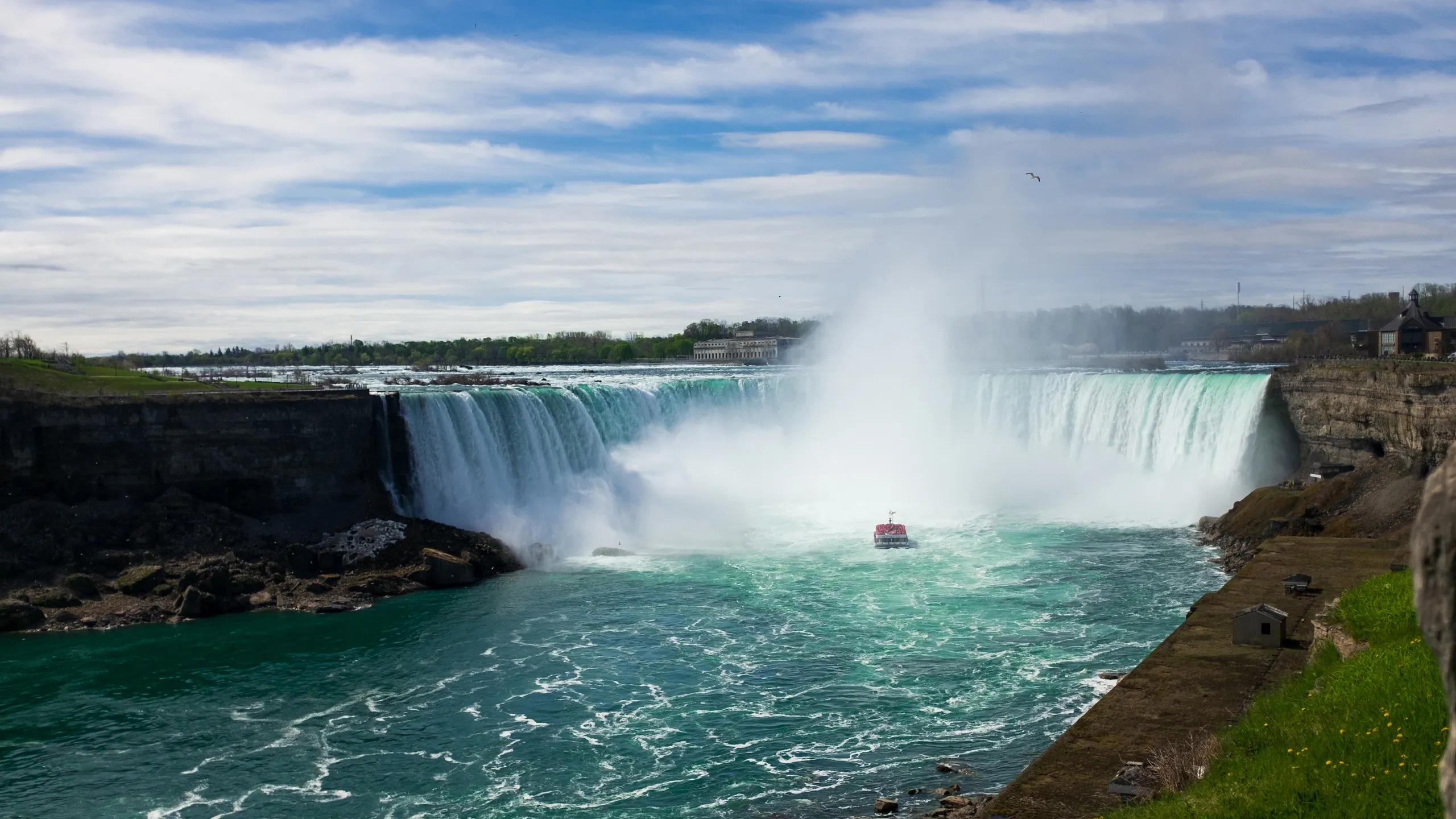
A visit to Niagara Falls within one day might seem too much right away, given how many observation spots, nearby sites, and time-specific events exist. Still, moving forward with organized steps and calm timing allows coverage of central features without hurry or losing touch with the landscape’s impact. What matters most stands not in completing every option, yet in selecting standout locations while allowing pauses that match the surroundings’ rhythm.
Plan Your Timing Carefully
Early arrival tends to limit contact with large groups, while easing the demands of timing. With morning illumination comes sharper sightlines across the waterfall, giving better conditions for images and observation prior to surge periods. Should the trip align with quieter intervals, navigation among sites becomes less restricted, alongside shorter pauses at frequently visited locations.
One way to approach the day is by following natural pauses, not fixed clocks. When people come via arranged trips like Niagara Falls Tours from Toronto, a pre-set rhythm often eases mental load, shifting attention toward moments rather than choices. A framework with room to shift keeps priorities clear without locking every hour.
Focus On What Matters Most
Memorable moments at Niagara often arise not from visiting every site, but from focusing on just a few key spots. Standing near the main viewing platforms offers depth through simplicity. Rather than moving constantly, pausing by the water allows sensation to settle. Boat rides bring closeness to power, mist rising without warning. Behind-the-falls passages shift perception – sound changes first, then light. These moments gain weight when spaced apart. Overfilling the day tends to blur what stands out. Slower pacing leaves room for detail: spray patterns, rock textures, sudden rainbows. What matters grows clearer when less is attempted.
Some travelers choose linked outings via Niagara Falls tour packages, where key sites appear together within one planned sequence. With such setups, delays drop while transitions among spots feel more seamless. Without handling distinct entry passes or travel choices, attention shifts toward appreciating each place without rush. Movement across venues settles into a steady rhythm instead of constant adjustments.
Move Quickly Through Important Spaces
After identifying key spots, attention shifts naturally toward proximity among sites. Because major viewpoints cluster closely, moving on foot fits the flow. With short gaps between outlooks, progress stays steady. Therefore, less time halts travel plans. Rhythm remains calm when stops link easily.
Following a grouped path avoids wasted movement. Rather than jumping across far-apart spots, mapping a basic circuit through central zones saves effort while letting attention settle at every outlook. Such rhythm proves useful on tight schedules, shaping the day clearly – yet leaving room to wander within bounds.
Choose Smarter Ways To Get Around
Smooth daily progress often depends on transport choices, particularly when journeys increase around peak times. To stay aligned with plans, selecting steady methods among sites makes interruptions less likely. When moving via city systems, scheduled vans, or footpaths, simplicity emerges by cutting idle moments. Predictable motion becomes possible once transitions remain free of surprise holdups.
For those moving between major locations, guided transit may reduce uncertainty. Rather than arranging several paths independently, a fixed framework shifts attention toward engagement. First-time guests often find this useful – time gains priority over scheduling concerns.
Balance Activity With Rest
Pausing occasionally during a visit to Niagara Falls creates space to notice what is around. Instead of walking nonstop, stopping by viewing areas brings clarity. Fatigue lessens when intervals of stillness break up movement. Enjoyment grows not through speed but through brief halts. The roar becomes clearer when there is silence just before. Scale sinks in most deeply when standing motionless. Sound fills the gaps left by constant travel. Rest changes how the scene registers in memory. Presence matters more than covering ground quickly. Slowness reveals aspects haste tends to obscure.
A midday pause, perhaps around food or stillness, often brings clarity. Such moments act like anchors, stopping the hours from blurring into haste later on. Instead of constant movement, brief intervals of calm allow strength to renew quietly. Enjoyment at closing does not fade when rhythm includes space earlier.
One day permits a full experience at Niagara Falls, provided timing stays deliberate, priorities remain clear, attention goes to central sights, transport stays straightforward. Essential sites take focus instead of scattered effort while scheduled transit removes guesswork; pauses fit naturally between segments. Fullness emerges not from hours spent but from structure applied – moments accumulate without strain. Completion lingers afterward, built quietly through arrangement rather than excess. The falls imprint themselves differently under calm observation, their presence registered slowly.