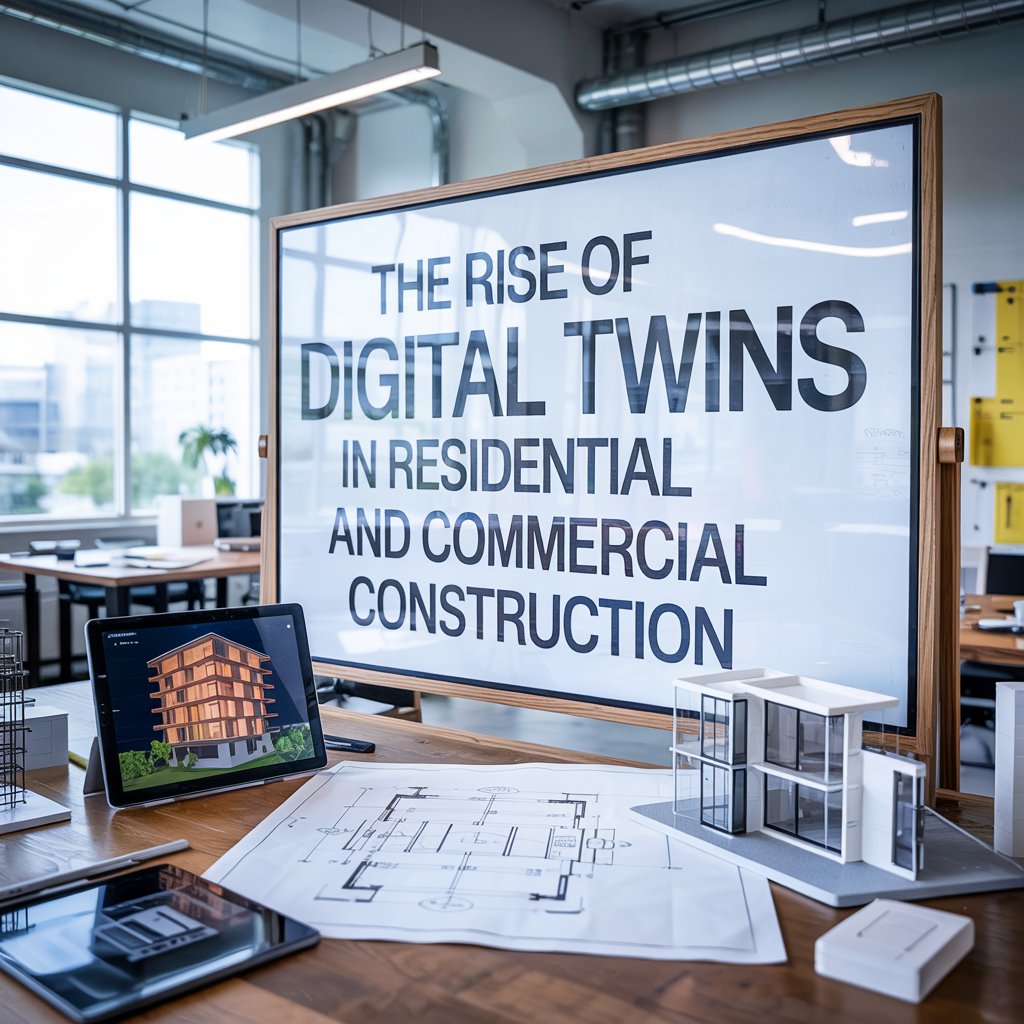
Digital twins aren’t just a buzzword—they’re quickly becoming a practical tool in construction projects of all sizes. Whether you’re working on a high-rise commercial tower or a multi-dwelling residential development, the concept of creating a virtual replica of the physical asset is changing the way buildings are designed, managed, and maintained.
It’s no longer just about 3D models or building information modelling (BIM). Digital twins go a step further by incorporating real-time data from sensors, systems, and equipment to create a living, breathing model of a structure throughout its lifecycle.
What Exactly Is a Digital Twin?
At its core, a digital twin is a dynamic digital representation of a physical object or system. In construction, this means creating a virtual version of a building that reflects not only its physical characteristics but also its operational data. This can include information from HVAC systems, lighting, energy usage, maintenance schedules, and even occupancy trends.
The key difference between a digital twin and traditional models is that a digital twin evolves. It’s not just created during design—it continues to grow and adjust based on live data once the building is occupied and in use.
Design and Planning with Greater Accuracy
One of the first advantages of digital twins is seen in the early design phase. Architects, engineers, and builders can use these models to test concepts before anything is physically built. They can simulate lighting, airflow, energy efficiency, and more—all before pouring the foundation.
This leads to smarter decisions and fewer costly adjustments down the line. It also improves collaboration, as teams from different disciplines can interact with the model in real time, spotting potential clashes or inefficiencies early in the process.
Better Cost Control and Estimating
Cost management is a big challenge in construction, but digital twins can offer a significant advantage here too. When paired with tools like estimating software for building, project managers can generate highly accurate cost forecasts based on real-time data and precise measurements.
Instead of relying on rough projections or outdated information, the estimating process becomes grounded in the actual conditions and performance of materials and systems. If a design change is made, the digital twin updates immediately, allowing for a fresh estimate that reflects the current plan—without needing to start from scratch.
This level of integration helps avoid underquoting or overbudgeting and offers clients a clearer view of where their money is going.
Construction and Project Delivery
During the build phase, digital twins help keep things on track. Contractors can compare the actual construction progress to the digital twin, identifying delays, quality issues, or design deviations as they happen—not after.
This helps with scheduling, material procurement, and overall project coordination. Site managers can use tablets or mobile devices to access the digital twin on-site, allowing them to check exact specs, track installation accuracy, or confirm changes on the fly.
In commercial builds where precision and timing are critical, this can make the difference between hitting or missing a key handover date.
Operational Efficiency After Handover
The real power of digital twins often shows itself after construction is complete. Facility managers and building owners can use the model to monitor building systems in real time, identify maintenance needs, and even predict issues before they occur.
Sensors can feed data into the twin—things like temperature, occupancy, or system faults—and allow operators to respond faster. This proactive approach doesn’t just reduce costs; it improves occupant comfort and extends the lifespan of key building systems.
In residential settings, this might mean optimising heating and cooling in multi-unit buildings or ensuring safety systems are functioning as intended. For commercial spaces, it could help with energy management or space utilisation.
Sustainability and Lifecycle Planning
Sustainability goals are becoming more important across the industry, and digital twins support these aims in a practical way. By tracking real-time energy usage, water consumption, and carbon output, building owners can adjust operations to reduce environmental impact.
Over time, digital twins also support lifecycle planning. With access to detailed performance history, it’s easier to plan renovations, upgrades, or system replacements based on actual wear and usage—not just fixed timelines.
This reduces waste, lowers costs, and supports the kind of long-term thinking that’s needed for more sustainable construction practices.
Challenges and Considerations
Like any emerging technology, digital twins do come with challenges. Implementation requires an upfront investment—not just in software and hardware, but in training and process changes. It also demands collaboration across teams and strong data governance to ensure the model remains accurate and useful.
For smaller firms or lower-budget projects, the full scope of a digital twin might feel out of reach. However, even partial implementation—such as using digital twins during design or construction phases—can provide meaningful benefits.
Looking Ahead
As more construction firms embrace technology, digital twins are moving from an innovative idea to a practical necessity. Whether it’s streamlining project planning, enhancing cost accuracy through estimating software for building, or improving building performance over time, the potential is clear.
They’re helping the industry move towards smarter, more efficient, and more sustainable ways of working—and that’s a shift worth paying attention to.