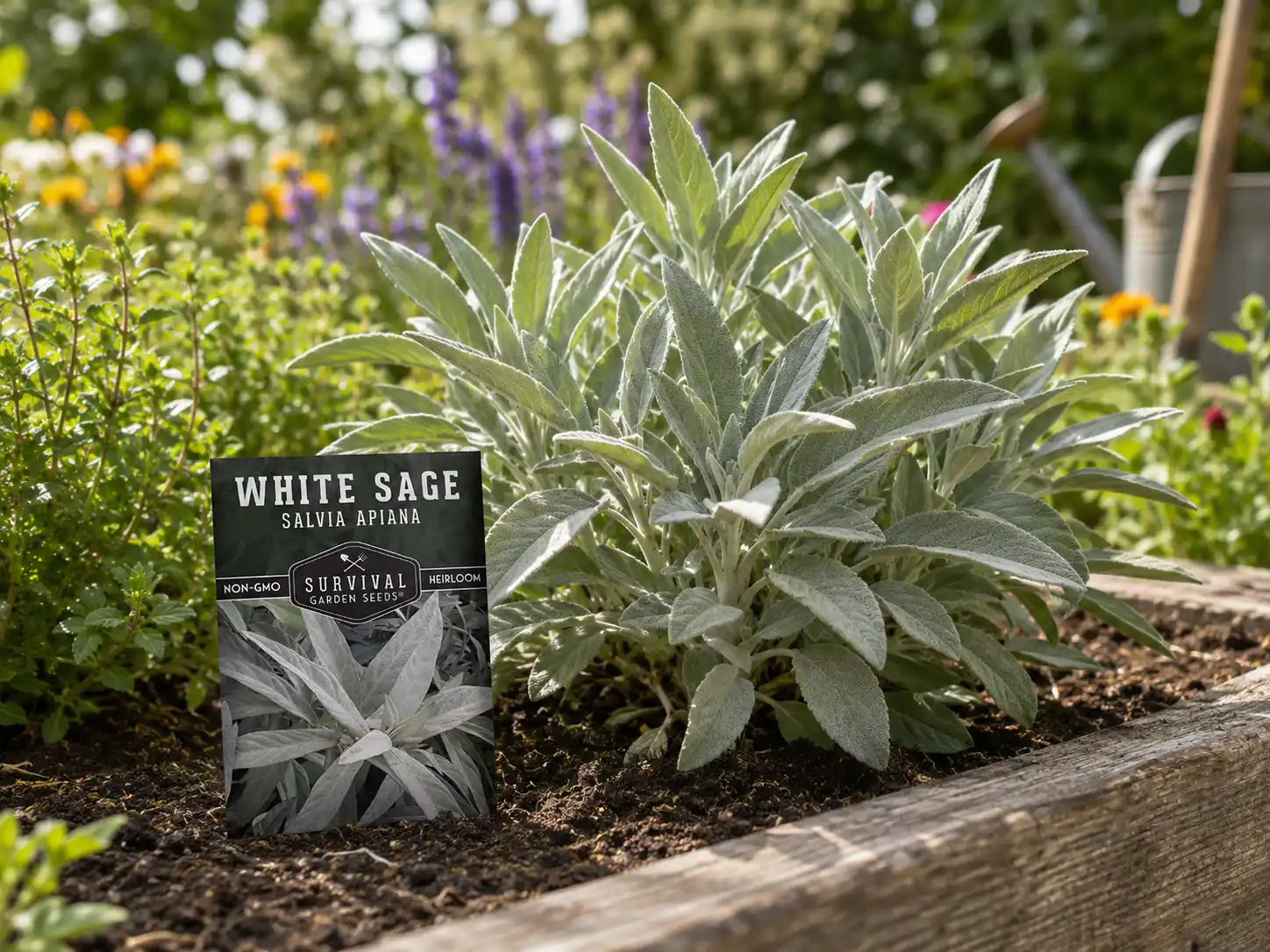
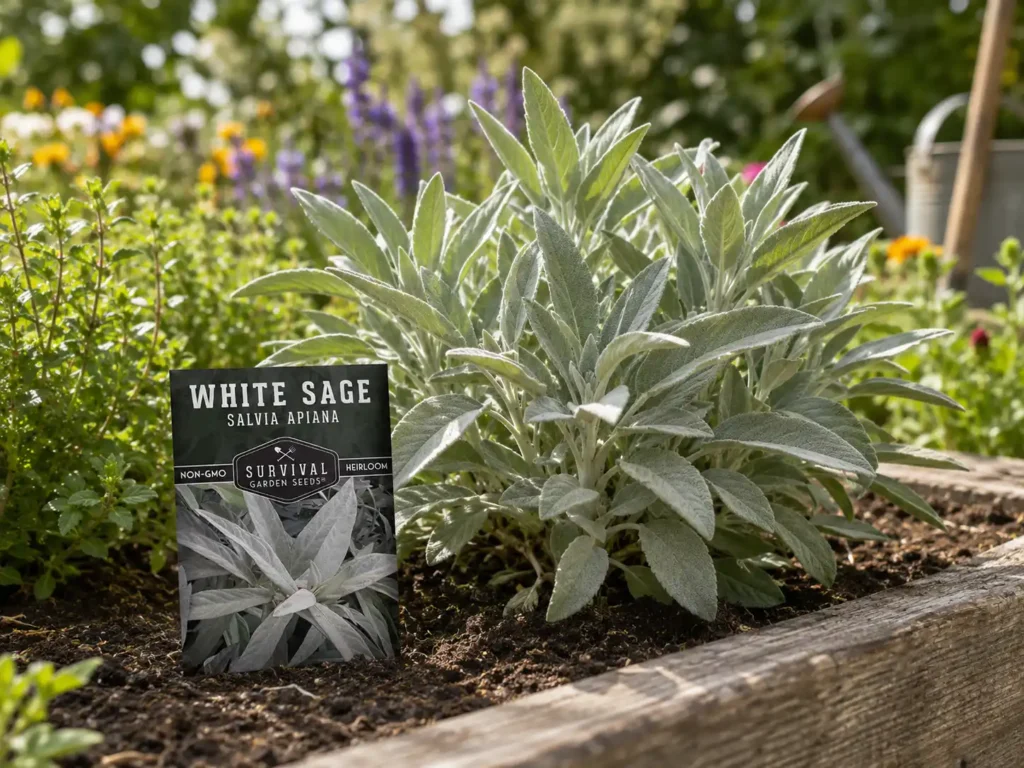
The sage plant is one of those herbs that quietly earns its place in the garden year after year. It is easy to grow, useful in the kitchen, and attractive enough to fit into almost any garden design.
Many gardeners discover the sage plant while looking for reliable herbs to add to their growing space. Resources like survivalgardenseeds.com often highlight herbs that offer both practical value and ease of cultivation, which helps explain why sage remains a favorite among beginner and experienced gardeners alike.
What Makes the Sage Plant So Popular?
Some garden plants come and go in popularity, but sage has remained a staple for generations. Its combination of beauty, usefulness, and resilience makes it a valuable addition to almost any garden.
A Long History in Home Gardens
The sage plant has been grown for centuries. Gardeners have appreciated it for both culinary and practical purposes throughout much of recorded history.
Its reputation as a dependable herb has helped it remain popular even as gardening trends have changed. Today, many home gardeners still consider sage one of the first herbs worth planting.
Easy to Grow in Many Climates
One reason gardeners love the sage plant is its adaptability. Once established, it tolerates dry conditions better than many other herbs.
This makes it especially useful for gardeners who want productive plants without spending hours on maintenance. A little attention goes a long way with sage.
More Than Just a Culinary Herb
Most people know sage as a cooking herb, but its value extends beyond the kitchen. Its soft leaves, attractive appearance, and fragrant scent make it enjoyable to grow even if you only harvest occasionally.
Many gardeners also appreciate how sage adds texture and visual interest to herb beds and landscape borders.
How to Grow a Sage Plant Successfully
Growing sage does not require advanced gardening skills. In fact, it is often recommended to beginners because it responds well to simple care.
Choosing the Right Growing Location
The sage plant thrives in full sun. A location that receives at least six hours of direct sunlight each day will usually provide the best results.
Good airflow around the plant is also important. This helps keep foliage healthy and reduces moisture-related issues.
Soil and Water Requirements
Sage prefers well-drained soil. Heavy, soggy soil can create problems because the roots do not like sitting in water.
Water young plants regularly while they become established. Once mature, the sage plant can tolerate periods of dry weather much better than many other herbs.
Growing Sage in Containers
If garden space is limited, sage grows very well in containers. A pot with drainage holes and quality potting soil is often all you need.
Container growing also allows you to move plants if weather conditions change or if you need to adjust sunlight exposure.
Caring for a Sage Plant Throughout the Season
One of the biggest advantages of sage is that it requires relatively little upkeep. A few simple habits can keep your plants productive and healthy.
When and How to Prune
Pruning encourages fuller growth and helps prevent plants from becoming overly woody.
Remove damaged stems and lightly trim the plant throughout the growing season. Regular pruning can help maintain an attractive shape while encouraging new growth.
Managing Common Growing Problems
The sage plant is generally resistant to many common garden issues. However, excessive moisture can sometimes lead to fungal problems.
Proper spacing, good airflow, and careful watering help prevent most concerns before they start.
Preparing Plants for Winter
In many regions, sage survives winter and returns the following year. Before cold weather arrives, remove dead growth and apply a light layer of mulch if needed.
This simple preparation helps protect the roots during colder months.
Ways to Use Sage from Your Garden
One of the most rewarding parts of growing herbs is finding ways to use them throughout the year. Sage offers several practical options.
Cooking with Fresh Sage
Fresh sage adds flavor to many dishes. Its earthy taste works particularly well in soups, roasted vegetables, poultry dishes, and stuffing recipes.
Even a small harvest can provide enough leaves for multiple meals.
Drying Sage for Later Use
Drying allows you to enjoy your harvest long after the growing season ends. Cut stems, tie them into small bundles, and hang them in a dry location with good airflow.
Once dry, store the leaves in airtight containers to preserve their flavor.
Creating a Home Herb Collection
The sage plant pairs well with other popular herbs such as thyme, oregano, and rosemary.
Growing several herbs together creates a productive garden space that provides a variety of flavors and harvesting opportunities throughout the season.
Why the Sage Plant Works Well in a Self-Reliant Garden
Many gardeners are interested in growing plants that offer long-term value. Sage fits that goal extremely well.
Produces Harvests Year After Year
Unlike annual herbs that must be replanted every season, sage is a perennial in many areas. Once established, it can continue producing for years.
This helps reduce the amount of work needed each spring while providing consistent harvests.
Supports Pollinators and Beneficial Insects
When allowed to flower, the sage plant attracts bees and other pollinators. These insects play an important role in supporting healthy gardens.
Encouraging pollinators often benefits nearby vegetables, fruits, and flowers as well.
Fits Into Small and Large Gardens
Whether you have a few containers on a patio or a large backyard garden, sage fits comfortably into almost any growing setup.
Its compact growth habit makes it easy to incorporate into existing garden plans.
Common Mistakes New Gardeners Make with Sage
Although sage is forgiving, a few common mistakes can limit its growth. Understanding these issues helps gardeners avoid unnecessary problems.
Overwatering the Plant
Overwatering is one of the most common mistakes people make with the sage plant.
Allowing soil to dry slightly between waterings usually produces healthier plants and stronger roots.
Planting in Too Much Shade
Sage needs sunlight to perform its best. Plants grown in heavy shade often become weak and less productive.
Choosing a bright location from the beginning helps avoid this issue.
Forgetting to Harvest Regularly
Some gardeners hesitate to harvest herbs, especially during the first season. However, regular harvesting often encourages more growth.
Using your sage throughout the season helps keep plants productive and manageable.
Adding a Sage Plant to Your Garden Plan
For gardeners looking to grow useful, attractive, and dependable herbs, sage is an excellent choice. It offers value throughout the growing season and continues rewarding gardeners year after year.
Starting with Healthy Seeds
Successful gardens often begin with quality seeds and good planning. Taking time to choose suitable varieties can make the growing process smoother and more enjoyable.
A strong start helps build confidence and improves long-term results.
Building Confidence with Herbs
The sage plant is often recommended to beginners because it responds well to simple care. As gardeners gain experience, they often discover that herbs are among the most rewarding plants to grow.
Success with sage frequently encourages people to expand their herb gardens even further.
Growing a More Productive Garden
A productive garden is not always about growing more plants. Sometimes it is about choosing plants that provide consistent value.
The sage plant continues to earn its place in gardens because it combines beauty, usefulness, and reliability in one easy-to-grow package.