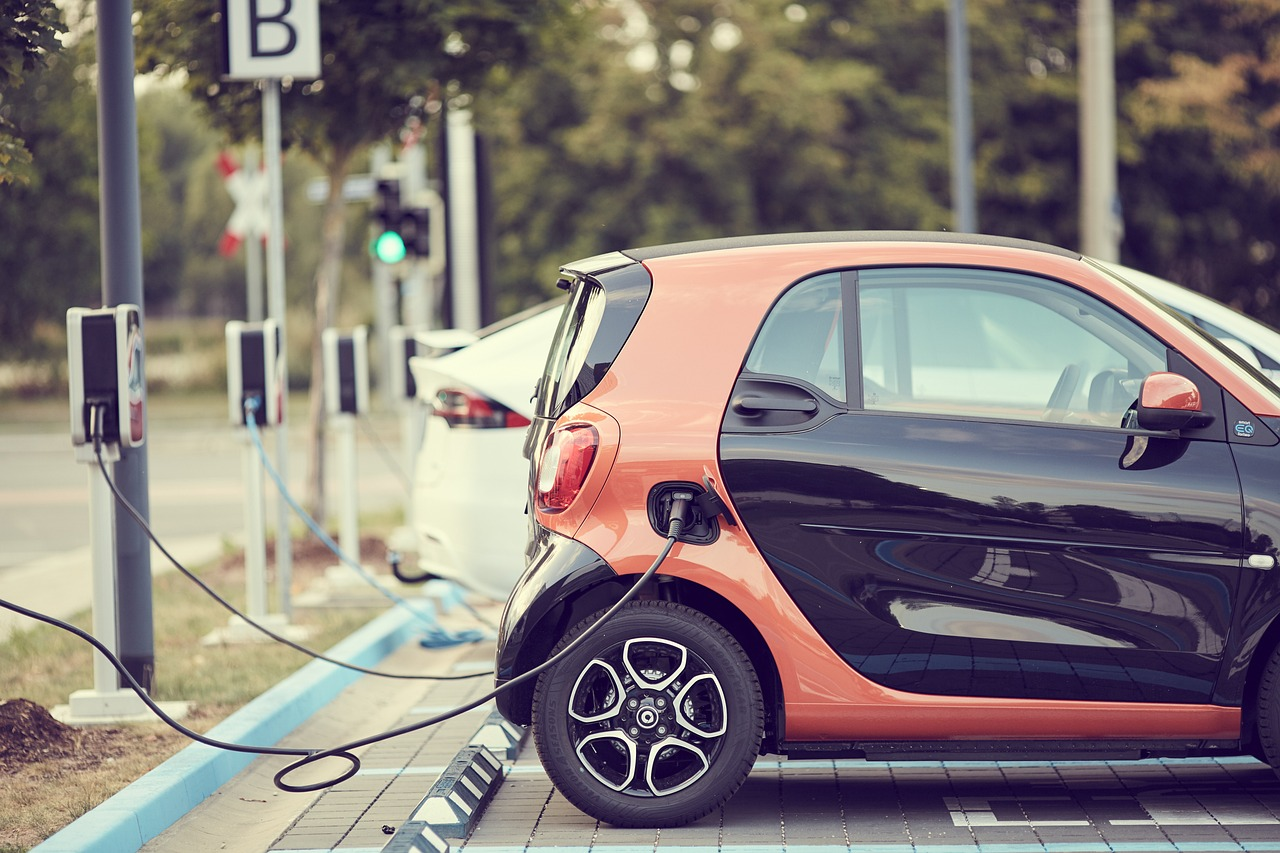
As the world shifts towards sustainable energy, understanding electric vehicle (EV) chargers is more important than ever. In this guide, you’ll learn everything you need to know about EV chargers, from different types and their functionalities to installation tips and charging etiquette. Get ready to enhance your journey into the electric vehicle landscape and make informed decisions for your driving experience.
Installation and Compatibility
Installing an EV charger involves several key considerations to ensure compatibility and efficiency. It’s best to find an EV charger manufacturer that creates devices meant for your specific car model. First, it’s essential to assess the type of charger needed — Level 1 or Level 2 — based on your vehicle’s requirements and your driving habits. A Level 1 charger typically plugs into a standard outlet, making installation straightforward, while a Level 2 charger requires a dedicated circuit and may necessitate professional installation.
Next, consider the location of the EV Charger. It should be easily accessible to the vehicle and installed in an area with an adequate electrical supply. Compatibility with your EV is crucial; check the vehicle’s specifications and connector type to ensure a seamless charging experience. Finally, keep in mind local regulations, as they may dictate specific installation practices and safety standards. Proper planning will facilitate a successful installation, maximizing the convenience of your electric vehicle.
Charging Speeds and Power Ratings
Charging speeds for EV chargers are primarily determined by their power ratings, which are measured in kilowatts (kW). Level 1 chargers, typically rated at 1.4 kW, provide a slow charging option, offering about 4 to 5 miles of range per hour of charging.
Level 2 chargers, commonly rated between 3.7 kW and 22 kW, significantly improve charging speed, delivering 10 to 60 miles of range per hour depending on the vehicle and charger characteristics. DC Fast Chargers, rated from 50 kW to over 350 kW, allow for rapid charging, providing 100 miles of range in approximately 30 minutes. Selecting the right charging speed ensures that drivers can efficiently power their vehicles based on their usage patterns and lifestyle needs.
Types of EV Chargers
There are also different types of EV chargers you should be aware of because they each serve a different purpose. Here are your options:
- Level 1 chargers
- Level 2 chargers
- DC fast chargers
- Tesla superchargers
- CHAdeMO Chargers
- CCS (Combined Charging System)
Each is designed for specific charging needs. Level 1 chargers are ideal for home use, providing slow charging through standard outlets. Level 2 chargers are faster and more suitable for residential and commercial locations. DC fast chargers offer rapid charging for long journeys, while Tesla superchargers are specifically for Tesla vehicles. For a deeper dive into how these charging types apply to specific vehicles, particularly in light of evolving tech like the Tesla Cybertruck, check out the Tesla Cybertruck EV Charging Discussion. On the other hand, CHAdeMO and CCS connectors cater to various manufacturers, enhancing versatility for EV owners.
Connection Types
Connection types affect compatibility with different electric vehicles. The two most common types are Type 1 and Type 2 connectors. Type 1, also known as J1772, is predominantly used in North American vehicles and supports Level 1 and Level 2 charging.
Conversely, Type 2 connectors are standard in Europe, accommodating both home and public charging stations. Additionally, connectors such as CHAdeMO and CCS (Combined Charging System) are essential for fast charging; CHAdeMO is popular among manufacturers like Nissan, while CCS is increasingly adopted by a variety of brands, including Ford and Volkswagen. Selecting the right connection type ensures effective energy transfer and compatibility with EVs.
Home Vs. Public Charging
Home charging refers to the convenience of charging your electric vehicle (EV) at your residence, typically using a Level 1 or Level 2 charger. This option is often more convenient, allowing drivers to plug in overnight and wake up to a fully charged vehicle, integrating seamlessly into daily routines.
On the other hand, public charging stations are found in various locations, such as shopping centers, highways, and parking lots, catering to drivers on the go. Public chargers usually include Level 2 and DC fast chargers, enabling quicker recharges during long trips or when away from home. While public charging is essential for flexibility, home charging provides unmatched convenience for everyday use, making it integral to the EV ownership experience.
Charging Costs
Charging costs for electric vehicles (EVs) vary based on several factors, including energy rates and charger types. Home charging typically uses residential electricity rates, which can range from $0.10 to $0.30 per kilowatt-hour (kWh).
For instance, charging an EV might cost around $5 to $15 for a full charge, depending on its battery capacity. Public charging stations may charge by the minute or kWh and can be more expensive, particularly for DC fast charging. Some locations may offer free charging or membership-based pricing. By understanding these costs, EV owners can better manage their expenses and select optimal charging options that suit their driving habits.
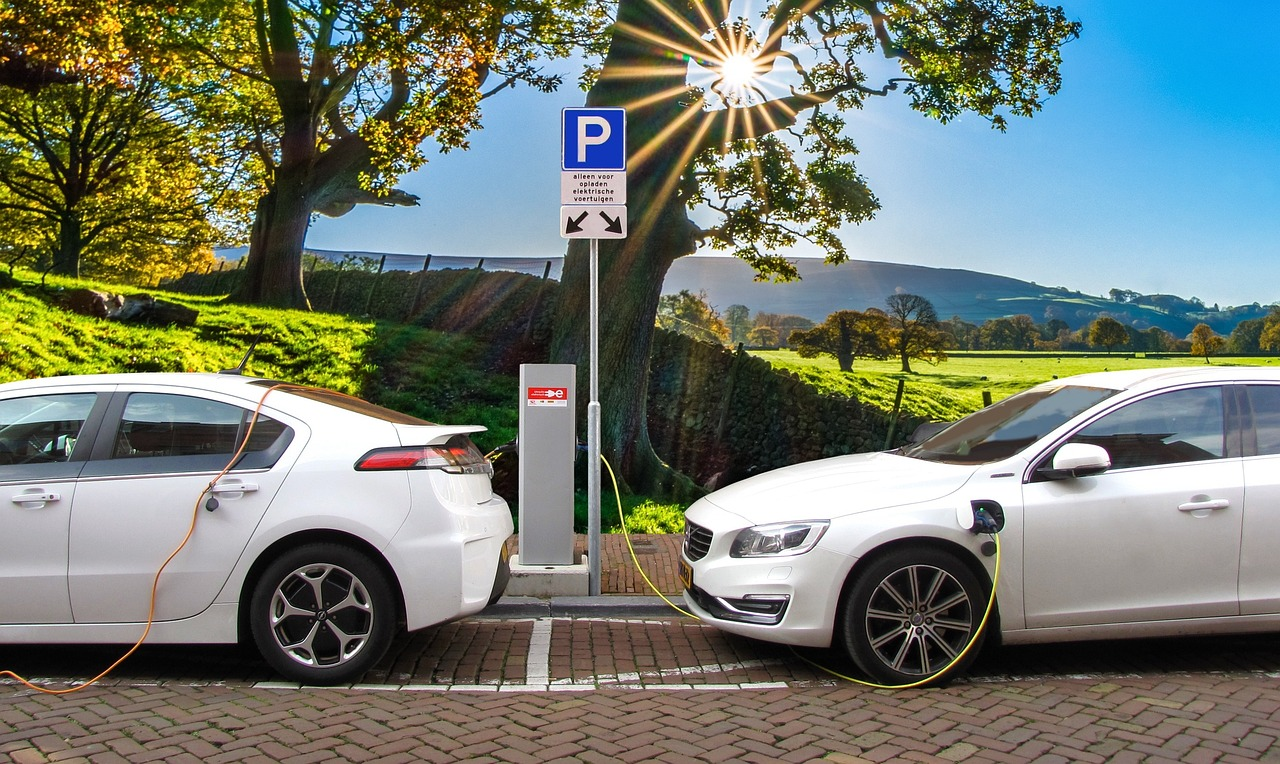
In conclusion, understanding EV chargers empowers you to make informed decisions about your electric vehicle ownership. By considering factors such as type, installation, charging speeds, and costs, you can enhance your driving experience and maximize convenience. Embrace the transition to sustainable energy with confidence, knowing that the right charger aligns with your lifestyle and driving needs.
Technology Perspective
Technology continues to transform industries through artificial intelligence, cloud computing, automation, cybersecurity, digital platforms, and data-driven decision making. As organizations increasingly adopt digital solutions, understanding emerging technologies becomes essential for businesses, professionals, and consumers. DGM News regularly covers these developments through expert analysis, technology news, and educational resources.
Innovation Outlook
Rapid advances in artificial intelligence, automation, machine learning, cloud infrastructure, and digital transformation continue reshaping global industries. Monitoring these developments helps organizations adapt to changing technologies, improve efficiency, and prepare for future innovation.
Did you know?
Artificial Intelligence is expected to influence nearly every major industry over the coming decade, from healthcare and finance to transportation, manufacturing, education, and entertainment.
AI, Machine Learning, Deep Learning and Generative AI Explained
Google AI Updates
About DGM News
DGM News is an independent digital publication delivering the latest Technology News, AI News, and FinTech News. We provide expert insights on startups, innovation, cybersecurity, software, business, gadgets, cloud computing, artificial intelligence, and emerging technologies. Our mission is to publish informative, accurate, and regularly updated content that helps readers stay informed in today's rapidly evolving digital landscape.
Since our editorial focus includes technology, artificial intelligence, and financial technology, we continuously expand our coverage as new innovations emerge.
Editorial Standards
Every article published on DGM News undergoes editorial review before publication. We prioritize factual accuracy, clarity, transparency, and reader value while following responsible digital publishing practices.
Research Methodology
Our editorial team researches publicly available information from official announcements, technical documentation, research publications, developer resources, reputable industry reports, and trusted public sources whenever applicable. Information is reviewed to improve clarity and accuracy before publication.
Fact-Checking Policy
We make reasonable efforts to verify factual information before publishing. Articles are reviewed for accuracy, consistency, and relevance. If significant developments occur after publication, content may be revised to reflect updated information.
Update Policy
Technology evolves rapidly. Articles may be reviewed and updated periodically to reflect software releases, AI developments, security advisories, regulatory updates, product launches, and other important industry changes.
Source Verification
Whenever possible, DGM News reviews information using official company announcements, technical documentation, research publications, government resources, publicly available reports, and reputable industry references before updating articles.
Editorial Independence
DGM News maintains editorial independence in all publishing decisions. Editorial content is produced independently and is intended to provide balanced, informative, and reader-focused coverage without influence from advertisers or commercial partnerships.
AI Usage Disclosure
Artificial intelligence tools may assist with research organization, grammar improvement, formatting, or editorial workflows. Every article is reviewed by human editors before publication to help maintain quality, clarity, and factual accuracy.
Corrections Policy
Accuracy is important to us. If readers identify outdated information or factual inaccuracies, they are encouraged to contact our editorial team. Verified corrections are reviewed and incorporated whenever appropriate.
Reader Feedback
Reader feedback helps improve our journalism. We welcome suggestions, corrections, and constructive feedback through our Contact page to continuously improve the quality of our reporting.
Last Editorial Review
This article follows the DGM News editorial review process and may be updated periodically as new information becomes available.
Why Trust DGM News?
DGM News is committed to publishing technology journalism that emphasizes accuracy, transparency, editorial independence, and regularly updated information. Our editorial process is designed to provide readers with reliable coverage of technology, AI, fintech, startups, and digital innovation.
DGM News Resources
Topics We Cover
Artificial Intelligence • AI Tools • Machine Learning • FinTech • Cybersecurity • Cloud Computing • Programming • Software Development • Gadgets • Mobile Technology • Business Technology • Startups • Digital Marketing • Blockchain • Cryptocurrency • Science • Innovation • Consumer Technology • Enterprise Technology • Automation