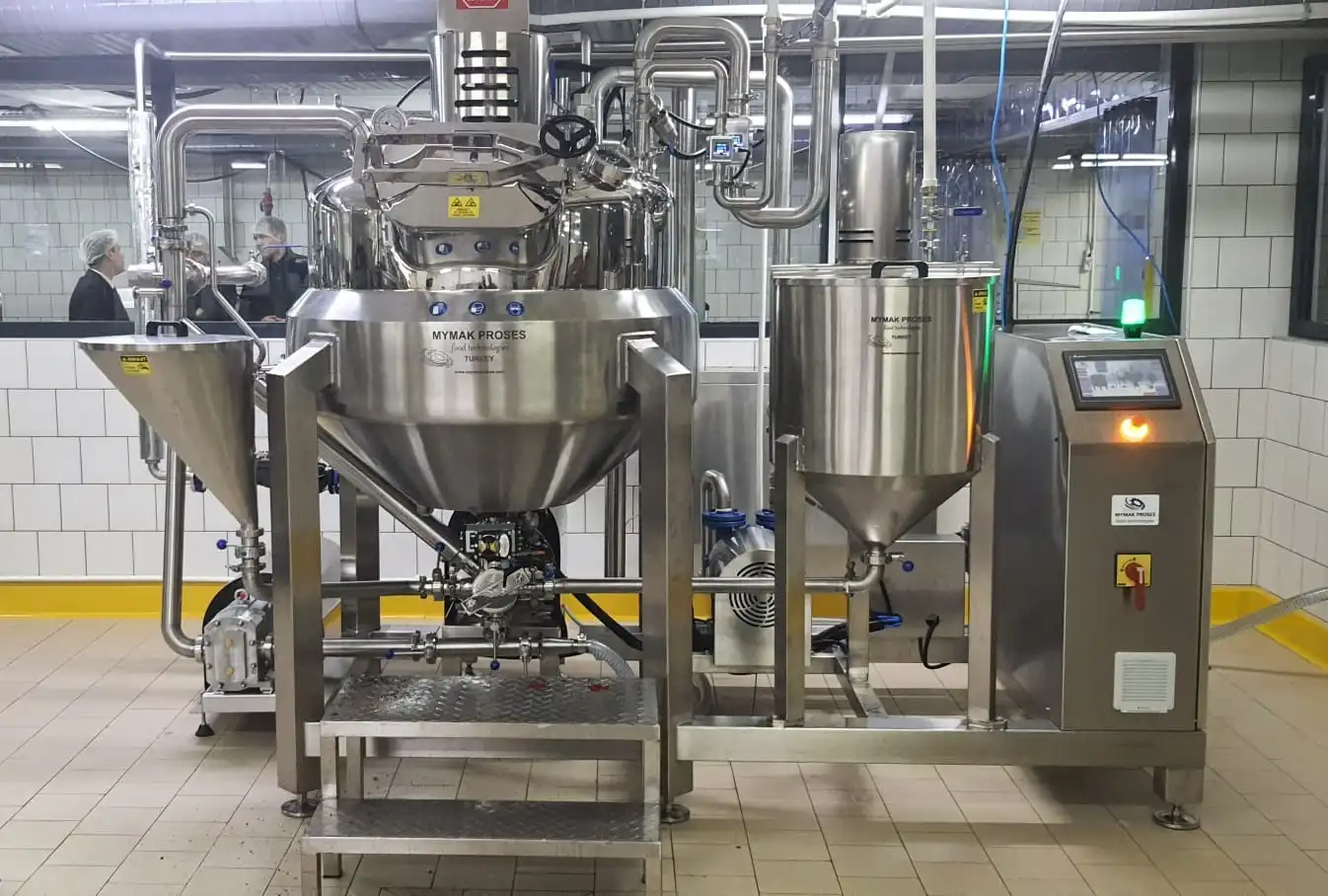
In the modern food industry, where speed and quality are paramount, businesses are continuously seeking ways to enhance their production processes. The mayonnaise production line has emerged as a key innovation in food manufacturing, providing a streamlined solution for producing mayonnaise at a large scale while maintaining high standards of consistency and quality. From small-scale operations to large factories, this automated line serves as the backbone of mayonnaise production, reducing labor costs and optimizing output.
What Is a Mayonnaise Production Line?
A mayonnaise production line is a fully automated system designed to manufacture mayonnaise efficiently. This production line typically consists of various components that work seamlessly together, such as mixing tanks, emulsifiers, filling machines, and packaging systems. Each part of the production line plays a crucial role in ensuring that the mayonnaise produced is smooth, creamy, and safe for consumption.
The process begins with the mixing of ingredients, which includes oil, egg yolk, vinegar, and other flavorings. The emulsification process, in particular, is the key to achieving the signature creamy texture of mayonnaise. The emulsifier combines the oil and water-based ingredients, creating a stable mixture that doesn’t separate. This is where precision is required, as the perfect balance of ingredients determines the final product’s quality.
How Does the Mayonnaise Production Line Work?
A typical mayonnaise production line involves several stages, each crucial to ensuring the highest quality product. Let’s break down the key steps involved:
1. Ingredient Preparation
The first stage of the mayonnaise production line involves the preparation of the ingredients. The oil, egg yolks, vinegar, and seasonings are precisely measured to ensure the perfect flavor balance. The oil is typically the main ingredient, and the quality of the oil plays a vital role in the final taste and texture.
2. Mixing and Emulsification
Once the ingredients are ready, they are transferred to the mixing tanks, where the emulsification process takes place. The emulsifier blends the oil and egg yolks, ensuring a stable mixture that won’t separate over time. This process is critical for achieving mayonnaise’s smooth and thick consistency.
3. Homogenization
After emulsification, the mixture undergoes homogenization. This step breaks down any remaining large particles in the mixture, creating a smooth texture that is uniform and consistent. The mixture is passed through high-pressure homogenizers, which ensure that the mayonnaise reaches the ideal thickness and consistency.
4. Filling and Packaging
Once the mayonnaise has been thoroughly mixed and homogenized, it moves on to the filling machines, where it is poured into containers. This stage ensures that the right amount of mayonnaise is dispensed into each container, whether it’s jars, bottles, or larger bulk containers for commercial use. After filling, the containers are sealed and labeled before being sent to packaging.
Advantages of Using a Mayonnaise Production Line
Implementing a mayonnaise production line offers numerous benefits, both in terms of production efficiency and product quality. Below are some of the key advantages:
1. Increased Production Efficiency
One of the main reasons businesses invest in a mayonnaise production line is to improve production speed and efficiency. With automated systems in place, businesses can produce large quantities of mayonnaise in a fraction of the time compared to manual production. This leads to faster turnover, reduced lead times, and the ability to meet growing demand.
2. Consistency in Quality
Manual production processes often lead to variations in the product, whether it’s due to human error, inconsistent ingredient measurements, or temperature fluctuations. A mayonnaise production line ensures that every batch is made to the same high standard, providing consumers with a consistent product each time.
3. Reduced Labor Costs
By automating the production process, businesses can reduce the need for manual labor, leading to significant cost savings. With less human intervention, the risk of mistakes is reduced, and the overall labor costs for the production process are minimized.
4. Improved Hygiene and Safety
In food production, hygiene is paramount. A mayonnaise production line is designed with food safety standards in mind, reducing the risk of contamination during production. The automated systems help maintain a sterile environment and minimize the chances of cross-contamination, ensuring that the final product is safe for consumption.
5. Flexibility and Customization
Another advantage of a mayonnaise production line is its flexibility. Many production lines are customizable to suit specific needs, such as producing different flavors or varieties of mayonnaise. Whether it’s organic, vegan, or low-fat mayonnaise, the production line can be adjusted to accommodate a wide range of formulations.
Why Invest in a Mayonnaise Production Line?
Investing in a mayonnaise production line can significantly enhance the productivity and profitability of your food manufacturing business. Whether you are a small company looking to scale up or a large manufacturer aiming to streamline operations, the automated system offers the ideal solution.
By reducing the need for manual labor, enhancing product consistency, and increasing overall efficiency, the production line allows businesses to meet rising consumer demand while maintaining the highest standards of quality. Furthermore, automation minimizes the risks associated with human error, ensuring that your product is both safe and delicious.
Conclusion
A mayonnaise production line is an invaluable asset for food manufacturers who are looking to improve their production processes, increase efficiency, and deliver a consistent product to consumers. By automating key stages such as mixing, emulsifying, homogenizing, and packaging, businesses can achieve high-quality mayonnaise in large volumes. Not only does this production line reduce labor costs and improve hygiene, but it also provides flexibility for creating different types of mayonnaise to meet market demands. For businesses looking to scale and thrive in a competitive market, investing in a mayonnaise production line is a wise decision.