Understanding Female Hair Loss And Why It Happens
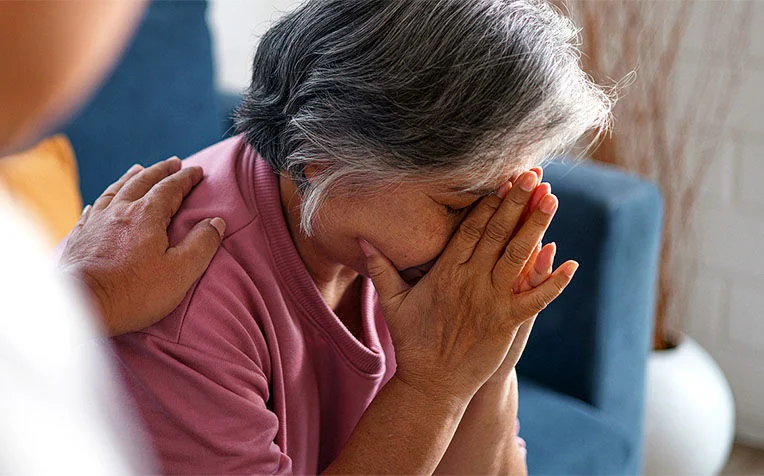
Hair loss treatment for women in Florida is becoming increasingly common as more women seek medical support for thinning hair, reduced density, and changes in hairline structure. Female hair loss can be emotionally distressing and may affect confidence, styling choices, and overall wellbeing.
Unlike male pattern baldness, women often experience diffuse thinning across the scalp rather than complete bald patches. This means hair becomes progressively finer and less dense over time.
In some cases, women may also consider options like a Florida hair transplant when medical treatments are not enough to restore adequate density.
Common Causes Of Hair Loss In Women
Hormonal Changes
Hormonal fluctuations are one of the most common causes of female hair loss. This may occur during:
- Pregnancy and postpartum period
- Menopause
- Thyroid imbalance
- Polycystic ovary syndrome (PCOS)
These changes can disrupt the natural hair growth cycle and lead to increased shedding.
Genetic Hair Thinning
Female pattern hair loss can also be inherited. This condition typically results in gradual thinning along the top of the scalp while the frontal hairline may remain intact.
Stress And Lifestyle Factors
Physical or emotional stress can trigger a condition called telogen effluvium, where more hairs than usual enter the shedding phase.
Contributing factors may include:
- Illness or surgery
- Nutritional deficiencies
- High stress levels
- Poor sleep habits
Medical And Environmental Factors
Certain medications, scalp conditions, and environmental stressors can also contribute to hair loss in women.
Initial Assessment In Florida Clinics
Consultation Process
When seeking hair loss treatment for women in Florida, the first step is usually a detailed consultation. A specialist will assess:
- Pattern and severity of hair thinning
- Medical and family history
- Hormonal influences
- Scalp health condition
This helps determine the most appropriate treatment approach.
Diagnostic Testing
Some clinics may recommend tests such as:
- Blood tests for iron or hormone levels
- Scalp examination or trichoscopy
- Pull tests to assess shedding patterns
These tests help identify underlying causes before treatment begins.
Non-Surgical Hair Loss Treatments For Women
Topical Treatments
One of the most common first-line treatments includes topical solutions designed to stimulate hair growth and slow down shedding. These may help improve density over time when used consistently.
Oral Medications
In some cases, medications may be prescribed to address hormonal imbalance or support hair regrowth. These treatments depend on individual suitability and medical evaluation.
Platelet-Rich Plasma (PRP) Therapy
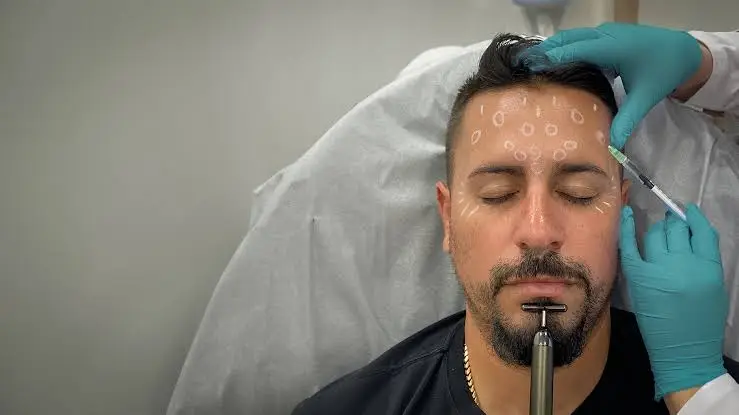
PRP therapy is a popular non-surgical option offered in many Florida clinics. It involves using a concentration of the patient’s own blood platelets to stimulate hair follicles.
Potential benefits include:
- Improved hair thickness
- Increased follicle activity
- Reduced shedding in some cases
Low-Level Laser Therapy
Low-level laser devices may be used to stimulate circulation in the scalp and support follicle health. This treatment is non-invasive and often used alongside other therapies.
When Hair Transplant Becomes An Option
Understanding Female Hair Transplant
A Florida hair transplant may be recommended when hair loss is stable but significant density has already been lost. This procedure involves moving healthy hair follicles from donor areas to thinning regions.
Unlike men, women are assessed more carefully before transplant surgery because hair loss patterns can be more diffuse and less predictable.
Who May Be Suitable
Women may be considered suitable for a hair transplant if they:
- Have stable hair loss
- Maintain sufficient donor hair
- Have realistic expectations
- Do not have active scalp disease
A full evaluation is essential before proceeding.
Types Of Hair Transplant Techniques
FUE Hair Transplant
The most commonly used method in female cases is Follicular Unit Extraction (FUE). This involves extracting individual hair follicles and implanting them into thinning areas.
Benefits include:
- No linear scar
- Minimal downtime
- Natural-looking results
- Flexible styling after recovery
FUT Hair Transplant
In some cases, Follicular Unit Transplantation (FUT) may be considered. This method involves removing a small strip of scalp to harvest grafts, which can provide a higher number of follicles in a single session.
Recovery After Hair Transplant
Early Healing Phase
After a Florida hair transplant, women may experience:
- Mild redness or swelling
- Small scabs in treated areas
- Temporary tightness or sensitivity
These effects typically improve within several days to a week.
Shedding And Growth Cycle
Transplanted hairs often shed within the first few weeks. This is a normal part of the growth cycle before new hair begins to grow.
Long-Term Results
Hair growth typically follows this timeline:
- 3–4 months: early regrowth
- 6 months: visible improvement in density
- 9–12 months: fuller final results
Benefits Of Hair Loss Treatment For Women
Improved Hair Density
Treatments can help restore volume and thickness, making hair appear fuller and healthier.
Boosted Confidence
Addressing hair loss often improves emotional wellbeing and self-esteem, especially for women experiencing noticeable thinning.
Customized Treatment Plans
A key advantage of hair loss treatment for women in Florida clinics is the personalized approach, combining multiple therapies based on individual needs.
Risks And Considerations
Non-Surgical Treatments
Possible side effects may include:
- Mild scalp irritation
- Temporary shedding phase
- Variable response between individuals
Hair Transplant Risks
A Florida hair transplant may involve:
- Swelling or discomfort
- Uneven growth in early stages
- Donor site sensitivity
- Rare risk of infection
Choosing an experienced clinic reduces these risks significantly.
Importance Of Early Treatment
Early intervention can make a significant difference in managing hair loss. Treating thinning hair in the early stages often leads to better long-term outcomes compared to waiting until advanced loss occurs.
Emotional Impact Of Female Hair Loss
Hair loss can affect more than appearance. Many women report:
- Reduced confidence in social settings
- Anxiety about visible thinning
- Difficulty styling hair
- Emotional stress or frustration
Effective treatment often helps improve both physical and emotional wellbeing.
Conclusion
Hair loss treatment for women in Florida includes a wide range of medical and cosmetic options designed to slow thinning, improve density, and restore confidence. From topical solutions and PRP therapy to advanced procedures like a Florida hair transplant, treatment plans are tailored to the individual cause and severity of hair loss.
While not every woman requires surgical intervention, early diagnosis and a structured treatment plan can significantly improve outcomes. With the right clinical support, many women can achieve healthier, fuller-looking hair and improved overall confidence over time.