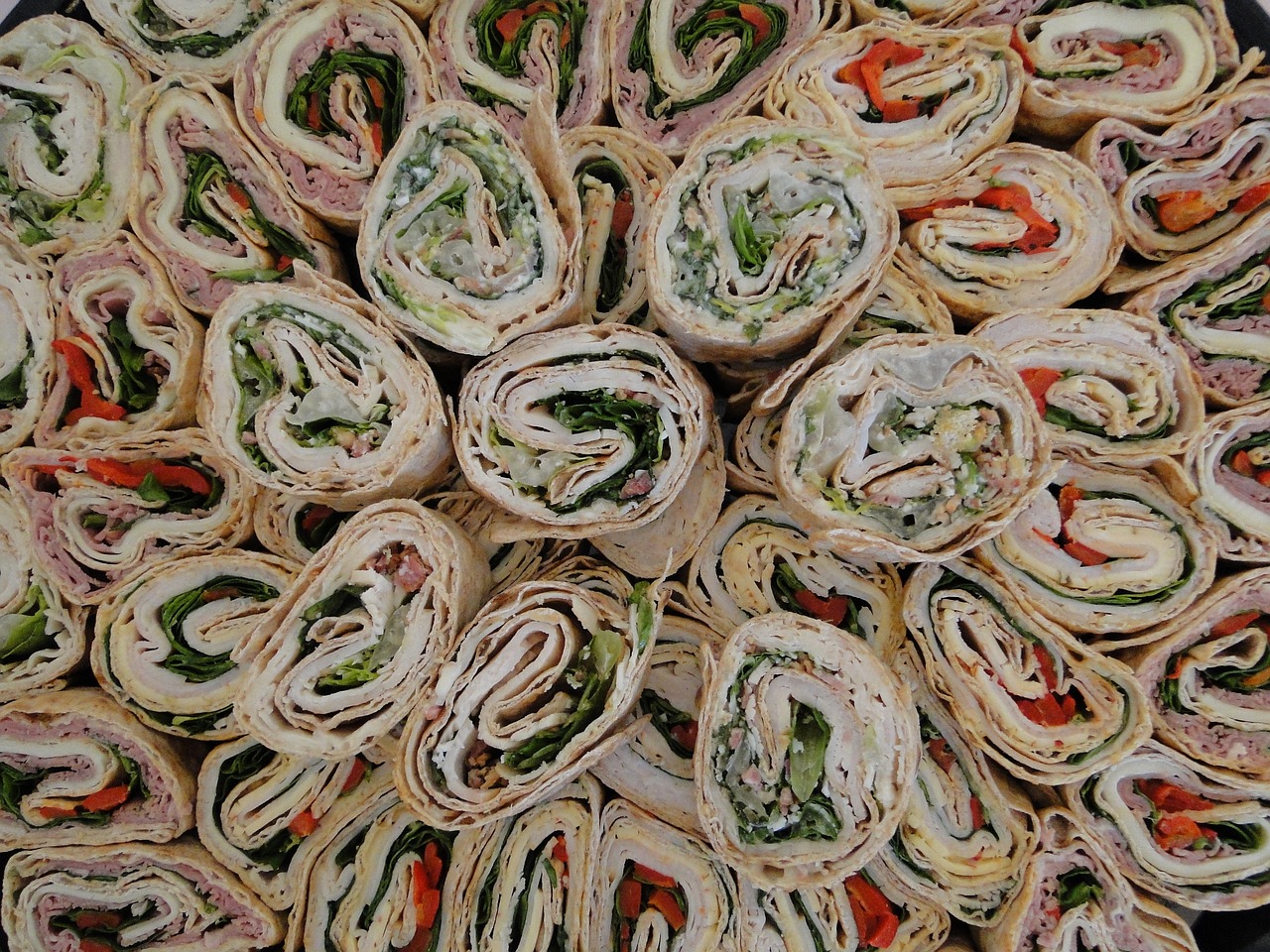
Tortillas are a staple in many cuisines, particularly in Latin American and Mexican cultures. They are not only versatile but also rich in history, having been made for centuries. The production process of tortillas, whether corn or flour-based, involves several key steps that transform simple ingredients into the delicious, flatbread that pairs beautifully with a variety of dishes. Understanding this process can enhance your appreciation for tortillas and even inspire you to try making them at home. This article delves into the essential steps of tortilla production and offers some valuable tips to achieve the perfect tortilla.
The Ingredients and Preparation
The foundation of any tortilla is its ingredients. Corn tortillas typically use masa harina, a type of flour made from nixtamalized corn, while flour tortillas require all-purpose flour. For corn tortillas, the corn undergoes a process called nixtamalization, where it is soaked and cooked in an alkaline solution, usually lime water. This process not only softens the corn but also enhances its nutritional profile by making certain vitamins more bioavailable. The next step is to drain the corn and grind it into masa, which is then formed into small balls ready for pressing. For flour tortillas, the flour is combined with fat—often lard, shortening, or vegetable oil—along with salt and water to form a smooth dough. The dough is kneaded thoroughly to develop gluten, giving flour tortillas their characteristic elasticity.
After preparing the dough or masa, it’s essential to let it rest. Resting the dough allows the gluten to relax in flour tortillas, resulting in a softer texture. For masa, resting helps the moisture to distribute evenly, enhancing the tortilla’s pliability. This resting period can vary in length; typically, 30 minutes to an hour is sufficient. Once rested, the dough is divided into small portions, typically around the size of a golf ball, and rolled into smooth balls. It’s important to keep the balls covered with a damp cloth to prevent them from drying out. Proper handling and preparation of the ingredients lay the groundwork for tortillas that are not only tasty but also have the right texture.
Cooking and Storing Techniques
Cooking tortillas is where the magic happens. For corn tortillas, the key is to heat a comal or flat griddle to medium-high heat. Once hot, the masa balls are flattened into disks using a tortilla press or a rolling pin, then placed on the hot surface. The cooking time is crucial; each side of the tortilla typically requires about 30 seconds to a minute. The goal is to achieve a slightly charred, golden color while ensuring the tortilla remains pliable. Flour tortillas follow a similar cooking method, though they may take a bit longer due to their fat content. For best results, the tortillas should be cooked without any oil to allow them to develop their characteristic flavor.
After cooking, it’s essential to store the tortillas properly to maintain their freshness. Stack the cooked tortillas and wrap them in a clean kitchen towel, which helps keep them warm and moist. If you plan to store them for later use, allow them to cool completely before placing them in a sealed plastic bag or an airtight container. Proper storage prevents them from drying out or becoming stale. Tortillas can be refrigerated for up to a week or frozen for several months, making them convenient for quick meals. When reheating, a quick pass over a hot griddle or in a microwave will revive their texture and flavor, ensuring they remain soft and delicious.
Tips for Perfect Tortillas
Achieving the perfect tortilla involves attention to detail at each stage of the production process. For corn tortillas, using freshly ground masa can significantly enhance flavor and texture. If masa harina is your choice, ensure it is from a reputable source to guarantee quality. For flour tortillas, experimenting with different types of fat can yield various results; some people prefer lard for its rich flavor, while others opt for vegetable shortening for a lighter texture. When rolling out the dough, ensure an even thickness for consistent cooking and avoid using too much flour, which can make the tortillas tough.
Another tip is to practice your cooking technique; the more tortillas you make, the better you will become at managing heat and timing. Always preheat your cooking surface adequately, as a properly heated comal ensures even cooking. Lastly, don’t hesitate to get creative with your tortillas! Try adding herbs or spices to the dough for unique flavors, or use different flours for diverse textures. Understanding the intricacies of the tortilla production process allows you to explore the craft of tortilla making fully, transforming your cooking experience and offering a delightful addition to your meals.
The Role of Technology in Tortilla Production
In recent years, the tortilla production process has evolved with advancements in technology, leading to the introduction of automated tortilla lines in many commercial settings. As explained by experts from AMI Equipment, these automated systems streamline the production process, from mixing and kneading the dough to shaping and cooking the tortillas, thereby increasing efficiency and consistency. Such technology not only reduces the manual labor involved but also enhances the scale at which tortillas can be produced, making them more accessible to consumers worldwide. However, even with automation, the principles of traditional tortilla-making remain essential; quality ingredients and attention to detail are still paramount to achieving that authentic flavor and texture that consumers crave. As technology continues to evolve, it will be fascinating to see how it harmonizes with traditional methods, allowing both home cooks and commercial producers to create tortillas that honor their rich heritage while meeting modern demands.

Innovations in Flavor and Variety
As the demand for diverse culinary experiences grows, tortilla production is also adapting by introducing innovative flavors and varieties. Today, you can find an array of tortillas made from alternative grains such as quinoa, buckwheat, or even spinach, catering to various dietary preferences and restrictions. These innovations not only enhance the nutritional profile of the tortillas but also introduce exciting flavors that can elevate dishes like tacos, wraps, or quesadillas. Manufacturers are also experimenting with different seasonings and spices to create specialty tortillas that appeal to adventurous eaters. This fusion of traditional techniques with modern culinary trends allows for a vibrant tortilla landscape, encouraging consumers to explore new tastes while still enjoying the classic favorites.
Sustainable Practices in Tortilla Production
With increasing awareness of environmental issues, sustainable practices are becoming an integral part of tortilla production. Many producers are focusing on sourcing organic corn and flour, supporting local farmers, and promoting biodiversity. Additionally, some companies are investing in eco-friendly packaging solutions and waste-reduction strategies to minimize their carbon footprint. For instance, using biodegradable materials or recyclable packaging not only appeals to environmentally conscious consumers but also aligns with global efforts to combat climate change. By adopting these sustainable practices, tortilla producers can ensure that they meet consumer demand while also contributing to a healthier planet, paving the way for a more responsible food industry.
The journey of tortilla production, from selecting quality ingredients to embracing technology and sustainable practices, highlights the rich cultural significance and culinary versatility of this beloved staple. Whether you choose to make tortillas at home or enjoy them from a commercial source, understanding the intricate process behind their creation can deepen your appreciation for this iconic flatbread. As the industry continues to innovate and evolve, tortillas will undoubtedly remain a delicious and essential part of meals across the globe, celebrating both tradition and modernity in every bite.
Technology Perspective
Technology continues to transform industries through artificial intelligence, cloud computing, automation, cybersecurity, digital platforms, and data-driven decision making. As organizations increasingly adopt digital solutions, understanding emerging technologies becomes essential for businesses, professionals, and consumers. DGM News regularly covers these developments through expert analysis, technology news, and educational resources.
Innovation Outlook
Rapid advances in artificial intelligence, automation, machine learning, cloud infrastructure, and digital transformation continue reshaping global industries. Monitoring these developments helps organizations adapt to changing technologies, improve efficiency, and prepare for future innovation.
Did you know?
Artificial Intelligence is expected to influence nearly every major industry over the coming decade, from healthcare and finance to transportation, manufacturing, education, and entertainment.
AI, Machine Learning, Deep Learning and Generative AI Explained
Google AI Updates
About DGM News
DGM News is an independent digital publication delivering the latest Technology News, AI News, and FinTech News. We provide expert insights on startups, innovation, cybersecurity, software, business, gadgets, cloud computing, artificial intelligence, and emerging technologies. Our mission is to publish informative, accurate, and regularly updated content that helps readers stay informed in today's rapidly evolving digital landscape.
Since our editorial focus includes technology, artificial intelligence, and financial technology, we continuously expand our coverage as new innovations emerge.
Editorial Standards
Every article published on DGM News undergoes editorial review before publication. We prioritize factual accuracy, clarity, transparency, and reader value while following responsible digital publishing practices.
Research Methodology
Our editorial team researches publicly available information from official announcements, technical documentation, research publications, developer resources, reputable industry reports, and trusted public sources whenever applicable. Information is reviewed to improve clarity and accuracy before publication.
Fact-Checking Policy
We make reasonable efforts to verify factual information before publishing. Articles are reviewed for accuracy, consistency, and relevance. If significant developments occur after publication, content may be revised to reflect updated information.
Update Policy
Technology evolves rapidly. Articles may be reviewed and updated periodically to reflect software releases, AI developments, security advisories, regulatory updates, product launches, and other important industry changes.
Source Verification
Whenever possible, DGM News reviews information using official company announcements, technical documentation, research publications, government resources, publicly available reports, and reputable industry references before updating articles.
Editorial Independence
DGM News maintains editorial independence in all publishing decisions. Editorial content is produced independently and is intended to provide balanced, informative, and reader-focused coverage without influence from advertisers or commercial partnerships.
AI Usage Disclosure
Artificial intelligence tools may assist with research organization, grammar improvement, formatting, or editorial workflows. Every article is reviewed by human editors before publication to help maintain quality, clarity, and factual accuracy.
Corrections Policy
Accuracy is important to us. If readers identify outdated information or factual inaccuracies, they are encouraged to contact our editorial team. Verified corrections are reviewed and incorporated whenever appropriate.
Reader Feedback
Reader feedback helps improve our journalism. We welcome suggestions, corrections, and constructive feedback through our Contact page to continuously improve the quality of our reporting.
Last Editorial Review
This article follows the DGM News editorial review process and may be updated periodically as new information becomes available.
Why Trust DGM News?
DGM News is committed to publishing technology journalism that emphasizes accuracy, transparency, editorial independence, and regularly updated information. Our editorial process is designed to provide readers with reliable coverage of technology, AI, fintech, startups, and digital innovation.
DGM News Resources
Topics We Cover
Artificial Intelligence • AI Tools • Machine Learning • FinTech • Cybersecurity • Cloud Computing • Programming • Software Development • Gadgets • Mobile Technology • Business Technology • Startups • Digital Marketing • Blockchain • Cryptocurrency • Science • Innovation • Consumer Technology • Enterprise Technology • Automation