Manufacturing today is on the fast track. Whether you’re designing a prototype for a new product or manufacturing precision parts for the industrial sector, the choice of production process can impact your timelines, budgets, and the quality of the end result. 2 manufacturing services that are still rising above b the rest ; vacuum casting service and swiss machining. That they compete for different things but often work together to give companies the same quality part, just without the delays or exorbitant cost.
If you have ever felt your product was being delayed by long lead times, inconsistent prototypes, or if you thought precision was lacking in small parts then these two manufacturing processes can change the way you think about creating them. Instead, they offer a combination of speed, accuracy, and flexibility that is difficult to match with traditional methods.
Why Vacuum Casting Service Is So Popular
Vacuum casting is widely used for the manufacturing of high quality prototype parts and small batch production. The process is similar to pouring liquid resin into a silicone mold, but this time it’s done in a vacuum chamber. Bubbles are air and can produce imperfections bubbles the vacuum extraction eliminates the making the finished part come out smooth, detailed and precise.
What makes this process appealing is how closely the end components can look to injection molded plastic. Companies can try out designs, test fit and function, and show products to customers—all before investing in costly tooling. Imagine releasing a new product without ever having seen how it works in the real world. That would be risky and costly. Vacuum casting mitigates that risk by providing companies with a quick and cost-effective means to prototype concepts ahead of mass production.
Key Benefits of Vacuum Casting Service
| Benefit | Why It Matters |
| Fast Turnaround | Parts can often be produced within days |
| Cost-Effective | No expensive metal tooling required |
| Excellent Surface Finish | Creates smooth and detailed parts |
| Material Flexibility | Different resin materials simulate plastics and rubber |
| Ideal for Prototypes | Perfect for product testing and validation |
Vacuum casting is employed across a range of sectors, such as automotive, consumer electronics, medical devices, and robotics. It’s particularly helpful for businesses that want small quantities of working parts without making a large order. That’s why it’s great for making small runs of working parts without getting locked into a mass manufacturing process.
It’s also possible to change plans. Design changes are constantly made during development. With vacuum casting, it’s much simpler and more cost effective to alter a silicone mould than it is to change hard tooling. So this means companies can innovate more quickly without worrying about a massive production cost.
Understanding Swiss Machining
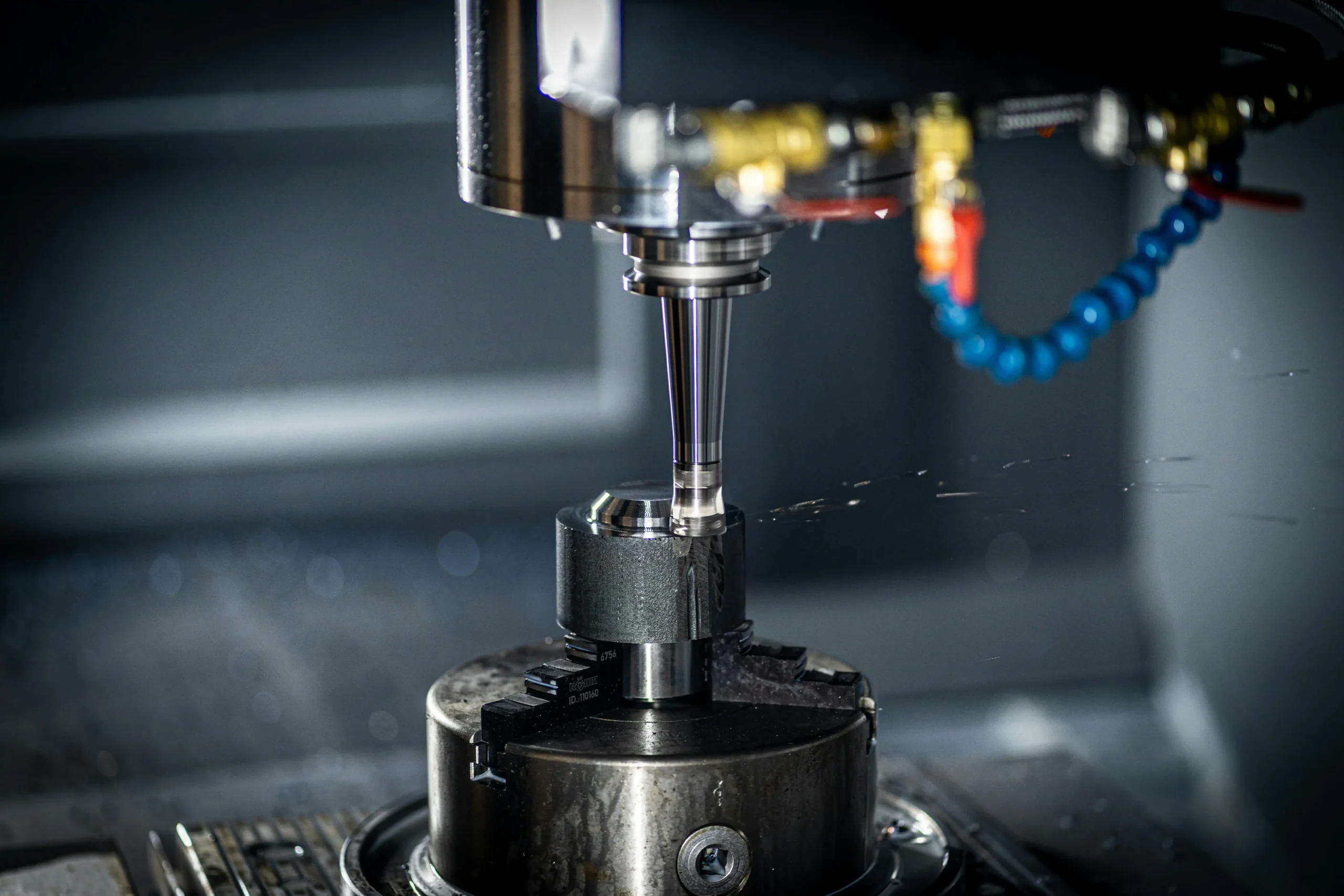
While vacuum casting is specialty in prototypes and low volume plastic parts, swiss machining specializes in very high precision metal parts. This process employs a unique CNC lathe capable of producing high-precision, very small and complex parts within short production runs.
The term “Swiss machining” originated from watches made in Switzerland. It’s now prevalent in aerospace, medical, defense, electronics, and automotive manufacturing, because it can make intricate parts with tight tolerances.
How does swiss machining from a traditional CNC turning? The guide bushing system . Instead of the material projecting out from the machine chuck, it stays supported at a short distance from the cutting tool. This reduces vibration and provides for extremely accurate cutted. In layman’s terms, swiss machining is best for when every little bit of measurement makes a difference.
Industries That Utilize Swiss Machining
Medical devices
Aerospace
Electronic devices manufacturing
Car systems
Military applications
Take surgical instruments and implantable medical parts, which must be produced to microscopic precision. Even minuscule variations can impact performance or safety. Swiss machining allows manufacturers to consistently meet those tight tolerances.
The method also enables complex shapes and fine details, which are inimaginable to achieve by conventional machining methods. That translates into fewer secondary operations better overall efficiency.
How Vacuum Casting Service and Swiss Machining Work Together
At first, both of these manufacturing options might appear to be completely unrelated. One is a resin prototype supplier, and the other is a metal precision part supplier. But in a lot of industries, they are complementary.
A medical device company may obtain the outer shell for their new device using a vacuum casting service for test and sales samples. At the same time, they may also use swiss machining to produce the tiny internal metal parts needed for functionality.
It is that combination that enables companies to go from idea to production much faster. Rather than spending months on tooling and production set up, companies can validate designs at a much more rapid pace and make improvements earlier in the development cycle.
That speed is crucial in competitive industries where being first to market can mean everything.
Selecting the Right Manufacturing Partner
Expertise is not equal for all manufacturing companies. Waterproof casting Selecting a vacuum casting or swiss machining company should be based on experience and quality not on price.
A good manufacturing partner can:
Open communication during the project
Quality standards that are consistent
Production schedules that are rapids
Material suggestions related to your application
Sophisticated inspection and testing procedures
In addition, you need to work with a supplier that knows your industry. Many medical, aerospace, and automotive applications require rigorous compliance and documentation.
The best manufacturers don’t just make parts. They contribute to design improvements, mitigate manufacturing risks and steer projects to successful outcomes.
Conclusion
Manufacturing processes are ever changing and advancing, but the need for speed, accuracy, and flexibility will always be the same. This is why vacuum casting service and swiss machining are modern day product development necessities.
Vacuum casting is a fast and cost-effective method to make realistic prototypes or small series production parts. Swiss machining precision is unparalleled for small, intricate metal parts. Together, they enable organizations to speed innovation, improve product quality and remain competitive in challenging markets.
From new product development and concept testing to production of high-precision parts, these manufacturing methods offer a pragmatic approach to turning ideas into reality.