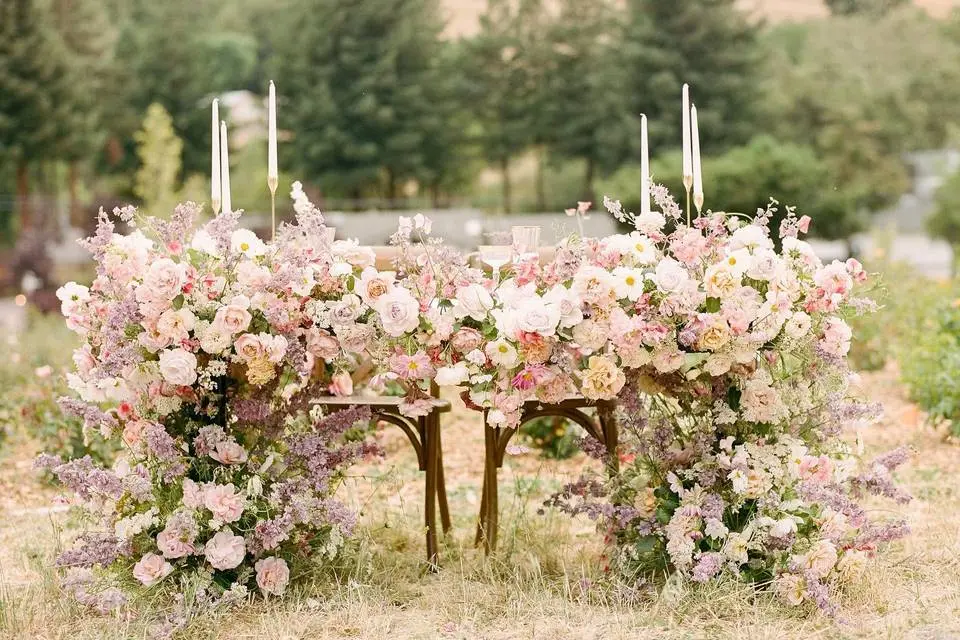
Wedding flowers have always played an important role in ceremonies and receptions. They bring color, fragrance, texture, and emotion into every part of the event. From bridal bouquets to table centerpieces, floral arrangements help define the overall atmosphere and create a visually memorable experience for guests. Whether the celebration is modern, rustic, traditional, or minimalist, flowers help tie every design element together.
Couples today have access to countless floral options, allowing them to personalize every detail according to their taste, season, and venue. Some prefer soft romantic roses and peonies, while others choose greenery, wildflowers, or tropical blooms for a more contemporary feel. Careful floral planning not only enhances beauty but also ensures harmony throughout the wedding décor.
When planning elegant celebrations, many couples explore ideas and inspiration related to wedding flowers to better understand seasonal arrangements, bouquet styles, and decorative floral themes.
Why Flowers Matter in Weddings
Flowers symbolize beauty, love, happiness, and new beginnings. For centuries, they have been included in wedding ceremonies across different cultures and traditions. Their presence creates a soft and welcoming environment that transforms ordinary spaces into unforgettable settings.
Floral arrangements also help establish the visual identity of the wedding. The choice of blooms, colors, and arrangement styles often reflects the personality of the couple. A formal ballroom wedding may feature luxurious roses and orchids, while a countryside ceremony may include lavender, eucalyptus, and sunflowers.
Beyond decoration, flowers contribute emotionally to the event. A bride holding a carefully designed bouquet often feels more connected to the ceremony. Guests entering a flower-filled venue immediately sense warmth and celebration. This emotional impact is one reason flowers remain central to wedding planning.
Choosing Flowers According to the Season
Seasonal flowers are often fresher, more affordable, and easier to source. They naturally complement the environment and climate during the wedding period. Selecting blooms that match the season also improves arrangement quality and longevity.
Spring Wedding Flowers
Spring weddings are known for soft colors and delicate blooms. Popular choices include:
- Tulips
- Peonies
- Lilacs
- Ranunculus
- Sweet peas
These flowers create romantic and airy arrangements that suit garden weddings and outdoor ceremonies.
Summer Wedding Flowers
Summer allows for bold and vibrant floral designs. Common summer blooms include:
- Roses
- Hydrangeas
- Dahlias
- Sunflowers
- Zinnias
These flowers work beautifully in colorful bouquets and large reception centerpieces.
Autumn Wedding Flowers
Autumn weddings often feature warm tones and textured greenery. Seasonal options include:
- Chrysanthemums
- Marigolds
- Dahlias
- Celosia
- Maple leaves and berries
Rustic floral combinations are especially popular during this season.
Winter Wedding Flowers
Winter weddings focus on elegance and sophistication. Florists often use:
- White roses
- Amaryllis
- Anemones
- Evergreen branches
- Pinecones and berries
These elements create luxurious and cozy floral displays perfect for indoor ceremonies.
Popular Types of Wedding Floral Arrangements
Wedding flowers appear in many forms throughout the celebration. Each arrangement serves a different decorative and symbolic purpose.
Bridal Bouquet
The bridal bouquet is one of the most important floral pieces in the wedding. It complements the dress and often reflects the wedding color palette. Bouquet styles include:
- Round bouquets
- Cascading bouquets
- Hand-tied bouquets
- Minimalist bouquets
The bouquet should feel balanced with the bride’s overall look rather than overwhelming it.
Bridesmaid Bouquets
Bridesmaid bouquets are usually smaller and coordinated with the bridal bouquet. They help create visual consistency during the ceremony and photography sessions.
Ceremony Flowers
Ceremony flowers decorate the aisle, altar, entrance, and seating areas. Floral arches and hanging installations have become increasingly popular because they create dramatic focal points.
Reception Centerpieces
Centerpieces enhance dining tables and contribute to the atmosphere of the reception. Some couples prefer tall luxurious arrangements, while others choose simple low floral displays for a more intimate feeling.
Floral Installations
Modern weddings increasingly include floral walls, suspended flowers, and staircase arrangements. These installations create stunning visual effects and often become popular photo areas for guests.
Understanding Wedding Flower Color Palettes
Color selection is one of the most important aspects of floral planning. Flowers help reinforce the wedding theme and influence the mood of the event.
Soft Neutral Colors
White, ivory, blush pink, and cream create timeless elegance. These shades work especially well for classic weddings and formal venues.
Bold and Vibrant Colors
Bright reds, oranges, purples, and yellows bring energy and excitement. These combinations are common in summer and destination weddings.
Earthy and Natural Tones
Terracotta, sage green, dusty blue, and muted peach have become popular for rustic and bohemian weddings. These tones pair beautifully with greenery and dried flowers.
Monochromatic Floral Themes
Using different shades of a single color creates sophistication and balance. Monochromatic arrangements often appear modern and polished.
The Role of Greenery in Wedding Décor
Greenery has become an essential part of wedding floral design. Many couples now incorporate foliage not only for budget-friendly purposes but also for texture and elegance.
Popular greenery options include:
- Eucalyptus
- Olive branches
- Ferns
- Ivy
- Ruscus
Greenery works beautifully in bouquets, table runners, hanging installations, and ceremony arches. It softens arrangements and creates a fresh organic appearance.
Tips for Planning Wedding Flowers
Floral planning involves more than selecting beautiful blooms. Careful preparation helps avoid unnecessary stress and ensures cohesive decoration throughout the event.
Set a Clear Floral Budget
Flowers can represent a significant portion of wedding expenses. Establishing priorities helps determine where floral investments will have the greatest visual impact.
Match Flowers With the Venue
The venue style should influence floral choices. Large dramatic arrangements suit grand halls, while smaller natural designs fit outdoor or intimate spaces better.
Focus on Key Areas
Rather than placing flowers everywhere, prioritize highly visible locations such as:
- Ceremony entrance
- Altar area
- Bridal table
- Reception centerpieces
- Photo backdrop
Strategic placement creates elegance without excessive spending.
Consider Flower Durability
Certain flowers wilt quickly in heat or direct sunlight. Couples planning outdoor ceremonies should choose durable blooms that remain fresh throughout the event.
Coordinate With Other Décor Elements
Flowers should complement table linens, lighting, candles, and furniture rather than compete with them. Consistency creates a refined overall appearance.
Trends in Modern Wedding Flowers
Wedding flower trends continue evolving as couples seek more personalized and creative designs. Modern floral styling often focuses on natural movement, sustainability, and unique color combinations.
Dried Flowers and Pampas Grass
Dried florals add texture and a bohemian aesthetic. Pampas grass, preserved palms, and dried lavender are now common in modern weddings.
Sustainable Floral Choices
Eco-conscious couples increasingly choose locally sourced flowers and reusable décor materials. Sustainable floral planning reduces waste while supporting local growers.
Minimalist Floral Designs
Simple arrangements with fewer stems are becoming more popular. Minimalist bouquets often emphasize shape, texture, and clean presentation.
Hanging Floral Installations
Ceiling florals and suspended greenery create dramatic visual impact and maximize venue space creatively.
Mixed Texture Arrangements
Florists now combine fresh flowers with dried elements, fruits, herbs, and greenery to create layered and artistic designs.
Common Mistakes to Avoid
Wedding flower planning can become overwhelming without proper organization. Avoiding common mistakes helps create a smoother experience.
Choosing Flowers Without Considering Seasonality
Out-of-season flowers are often expensive and difficult to source. Seasonal blooms usually look fresher and last longer.
Ignoring Venue Size
Small arrangements may disappear in large venues, while oversized designs can overwhelm intimate spaces.
Overcomplicating the Design
Too many flower varieties and colors may create visual clutter. Simplicity often appears more elegant and timeless.
Forgetting Flower Fragrance
Strong floral scents can affect dining experiences. Subtle fragrance choices work better during receptions.
Delaying Floral Decisions
Waiting until the last moment can limit flower availability and increase stress during wedding preparation.
How Wedding Flowers Influence Photography
Flowers contribute significantly to wedding photography. Bouquets, centerpieces, and ceremony arrangements appear in many important images throughout the day.
Professional photographers often use floral details for:
- Bridal preparation photos
- Ceremony close-ups
- Reception table shots
- Couple portraits
- Flat-lay detail photography
Well-designed flowers add depth, color, and sophistication to photographs, making wedding albums more visually appealing.
Conclusion
Wedding flowers are more than decorative accessories. They shape the atmosphere, support the wedding theme, and create emotional connections throughout the celebration. From delicate bouquets to dramatic floral installations, every arrangement contributes to the beauty and personality of the event.
Careful floral planning helps couples balance style, seasonality, and practicality while creating a cohesive visual experience for guests. Whether the design is luxurious or minimalist, flowers continue to remain one of the most meaningful and timeless parts of any wedding celebration.
Couples searching for inspiration, seasonal blooms, and elegant arrangement ideas often explore resources related to wedding flowers while planning their ceremony and reception décor.
FAQs
1. How far in advance should wedding flowers be planned?
Most couples begin floral planning six to eight months before the wedding. This timeline allows enough opportunity to discuss themes, seasonal availability, and arrangement styles with a florist. Early planning also helps secure preferred flower selections and prevents last-minute budget adjustments or design changes.
2. Which flowers are considered timeless for weddings?
Roses, peonies, hydrangeas, lilies, and orchids are among the most timeless wedding flowers. These blooms remain popular because they suit many wedding themes and color palettes. Their elegance and versatility make them appropriate for both traditional ceremonies and modern celebrations throughout the year.
3. Are seasonal flowers better for wedding arrangements?
Seasonal flowers are often fresher, more affordable, and naturally suited to the climate during the wedding. They typically last longer and require less transportation, which can improve arrangement quality. Seasonal blooms also help create décor that feels harmonious with the environment and time of year.
4. What is the most important floral arrangement at a wedding?
The bridal bouquet is usually considered the most important floral arrangement because it appears throughout the ceremony and photography. However, ceremony flowers and reception centerpieces also play major roles in defining the atmosphere and visual style of the wedding celebration.
5. Can greenery replace flowers in wedding décor?
Yes, many couples use greenery-focused designs to create elegant and modern wedding décor. Eucalyptus, ivy, olive branches, and ferns can provide texture and beauty without relying heavily on flowers. Greenery arrangements often appear natural, sophisticated, and budget-friendly while maintaining a luxurious atmosphere.