Missouri weather has a way of testing everything attached to a home, especially the roof. One month can bring scorching heat and humidity, while the next delivers heavy rain, hail, strong winds, ice, or snow. For homeowners, that constant shift creates an important question that often comes up during repairs or replacements: what roofing material actually performs best in Missouri’s unpredictable climate?
The answer is not always as simple as choosing the most expensive option or the material with the longest warranty. A roof in Missouri has to do more than just look good. It needs to stand up to storms, resist heat, handle freezing temperatures, and continue protecting the home year after year without constant repairs.
That is why so many homeowners spend time comparing recommendations from roofing companies in Missouri before making a final decision. Different roofing materials each offer their own strengths, but not every option performs equally well under Missouri’s weather conditions. Understanding how roofing materials react to heat, rain, wind, snow, and hail can help homeowners make a much more confident long-term investment.
Why Missouri Weather Creates Unique Roofing Challenges
Missouri’s climate puts roofs under continuous stress year-round.
During the summer, roofs absorb direct sunlight for hours at a time. High temperatures combined with humidity can cause roofing materials to expand, dry out, and weaken gradually over time. Then winter arrives, bringing freezing temperatures, ice accumulation, snow loads, and repeated freeze-thaw cycles that place additional pressure on the roofing system.
Storm season adds another layer of difficulty. Heavy rainfall, strong wind gusts, hailstorms, and flying debris can all unexpectedly damage shingles, flashing, and roof structures.
This combination of conditions is why roofing companies Missouri homeowners trust often focus heavily on weather resistance rather than appearance alone. A roofing material that performs well in mild climates may struggle significantly under Missouri’s changing seasonal conditions.
Homeowners who choose roofing systems specifically designed for durability in extreme weather often experience fewer repairs and longer roof lifespans overall.
Why Architectural Asphalt Shingles Remain So Popular
Architectural asphalt shingles continue to be among the most recommended roofing materials across Missouri, and for good reason.
Unlike traditional three-tab shingles, architectural shingles are thicker, more durable, and better equipped to withstand high winds and severe weather conditions. Their layered construction gives them greater strength while also improving the roof’s overall appearance.
For many homeowners comparing roofing company estimates in Missouri, architectural shingles offer an appealing balance between affordability and long-term performance.
They also adapt well to Missouri’s changing temperatures. The materials flex more effectively during expansion and contraction cycles, which helps reduce cracking and premature wear over time.
Another reason homeowners prefer them is versatility. Architectural shingles work well with many different home styles, making them one of the most practical roofing options available.
While they may not last as long as premium materials like metal or slate, their combination of durability, cost-effectiveness, and weather resistance makes them one of the safest overall choices for Missouri homeowners.
Why Metal Roofing Continues Growing In Popularity
Over the past several years, metal roofing has become increasingly common throughout Missouri.
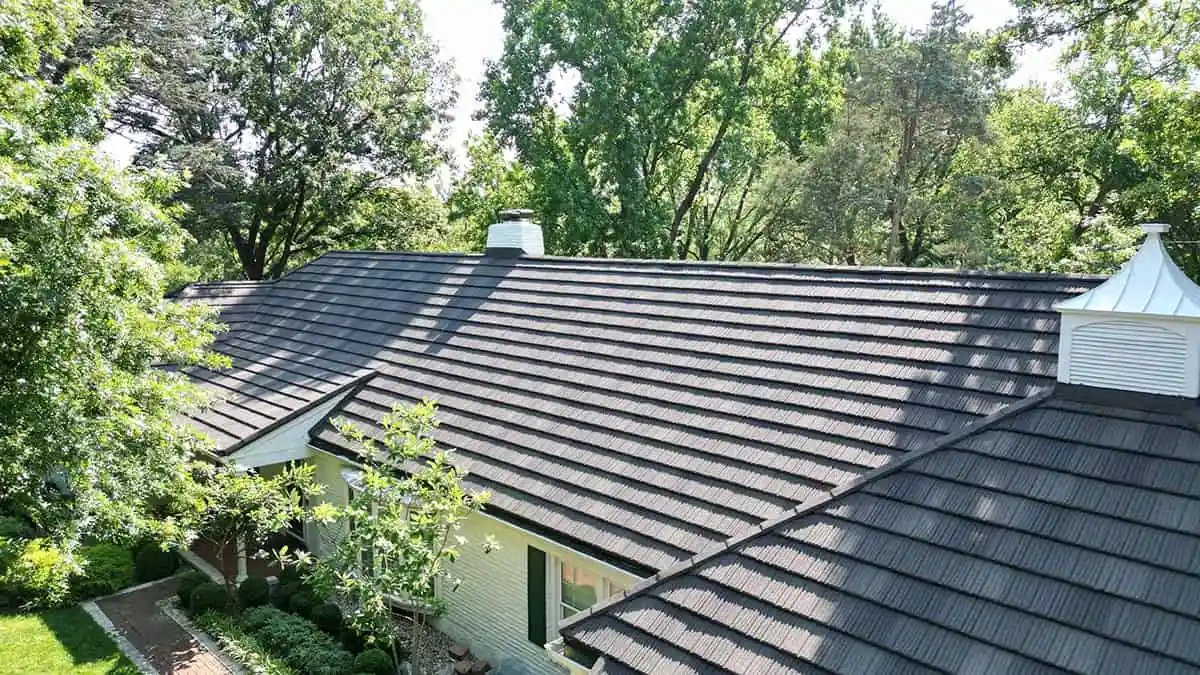
Many homeowners working with roofing companies Missouri professionals are drawn to metal roofs because of their exceptional durability and long lifespan. A properly installed metal roof can often last forty to seventy years or longer with relatively minimal maintenance.
Metal roofs perform especially well during heavy rain because water runs off quickly and efficiently. They also shed snow more easily during winter, reducing the risk of ice dam formation and moisture buildup.
One major advantage is energy efficiency. Metal roofing reflects sunlight more effectively than many traditional materials, helping reduce attic temperatures during Missouri’s hot summers.
Homeowners also appreciate the storm resistance. Many modern metal roofing systems are designed to withstand hail and high winds better than standard shingles.
Although metal roofing usually requires a larger upfront investment, many homeowners view it as a long-term savings decision due to reduced maintenance and replacement costs over time.
How Cold Weather Affects Roofing Materials
Missouri winters may not always be extreme, but freezing temperatures still place significant stress on roofs.
When temperatures fluctuate repeatedly between freezing and thawing, roofing materials expand and contract continuously. Over time, this movement can weaken shingles, flashing, seals, and fasteners.
Metal roofing handles cold weather particularly well because snow tends to slide off more naturally, reducing heavy buildup. Architectural shingles also perform effectively when installed properly with adequate ventilation and underlayment systems.
Roof ventilation plays a major role in winter performance as well. Poor attic ventilation can trap moisture and contribute to ice dam formation, even when high-quality roofing materials are used.
This is one reason roofing companies in Missouri often emphasize proper installation practices just as much as the roofing material itself.
A quality roof is not simply about the shingles or panels. The entire roofing system must work together to manage moisture, temperature changes, and drainage effectively.
Why Heavy Rain Resistance Matters In Missouri
Rain may seem less destructive than hail or wind, but long-term water exposure causes many roofing failures over time.
Roofing systems in Missouri must be able to shed water quickly while preventing moisture intrusion underneath the surface materials.
Metal roofs perform extremely well under heavy rainfall because they contain fewer seams where water can penetrate. Architectural shingles also provide strong protection when installed with proper flashing and waterproof underlayment.
Roof slope matters too. Steeper roofs naturally drain water more effectively than flatter designs.
Many roofing companies Missouri homeowners work with evaluate drainage patterns carefully before recommending materials. Even high-quality shingles can fail prematurely if water consistently pools or drains improperly around the roof.
Proper gutter systems also contribute heavily to rain management and overall roof health.
How Heat Impacts Roofing Performance
Summer heat can quietly shorten the lifespan of roofing materials.
Constant UV exposure gradually dries out shingles and weakens roofing surfaces over time. Dark roofing materials absorb additional heat, increasing attic temperatures and placing extra strain on cooling systems inside the home.
Metal roofing helps reduce heat absorption because it reflects more solar energy away from the house. Lighter-colored shingles can also improve energy efficiency during warmer months.
For homeowners comparing roofing companies in Missouri, energy-efficient roofing systems are becoming an increasingly important consideration.
Modern roofing technology now offers reflective materials, improved insulation systems, and ventilation strategies that help homes remain cooler while protecting the roof itself from excessive heat stress.
Proper ventilation remains essential regardless of the roofing material selected. Trapped attic heat accelerates material deterioration and can lead to moisture problems as well.
Why Roof Longevity Depends On More Than Material Alone
Many homeowners naturally focus on how long a roofing material is expected to last. While material quality certainly matters, installation quality plays an equally important role.
Even the best roofing products can fail early if installed incorrectly.
Improper flashing, weak sealing, poor ventilation, or rushed workmanship often lead to leaks, water intrusion, and premature deterioration.
This is why experienced roofing companies Missouri homeowners trust place so much emphasis on proper installation techniques.
A high-quality roofing system depends on attention to detail throughout the installation process. Underlayment, flashing, ventilation, fastening methods, and drainage design all contribute to long-term performance.
Regular maintenance and inspections also help extend roof lifespan significantly. Small repairs handled early often prevent much larger structural issues later.
How Homeowners Can Choose The Right Roofing Material
Choosing the right roofing material involves balancing several priorities at once.
Budget is naturally one of the biggest factors. Some homeowners prioritize affordability, while others focus more heavily on lifespan and reduced maintenance.
Home style matters as well. Certain materials complement traditional homes better, while others create a more modern appearance.
Energy efficiency has also become increasingly important for many families trying to reduce long-term utility costs.
Storm resistance is another major consideration in Missouri. Homeowners living in areas prone to hail or strong winds may prioritize impact-resistant materials even if they cost slightly more upfront.
This is where guidance from roofing companies in Missouri becomes especially valuable. Experienced contractors understand how local weather patterns affect roofing systems over time and can help homeowners compare options realistically rather than emotionally.
The best roofing choice is usually the one that balances durability, budget, maintenance expectations, and long-term protection for the specific home.
Final Thoughts
Missouri weather demands a roofing system capable of handling constant change.
From intense summer heat to freezing winters, heavy rain, hailstorms, and strong winds, roofs in Missouri experience conditions that gradually wear down weaker materials over time. Choosing the right roofing material is not simply about appearance. It is about protecting the home, reducing future repair costs, and creating long-term peace of mind.
Architectural shingles remain one of the most practical and widely recommended choices because they provide a strong combination of durability, affordability, and weather resistance. Metal roofing continues gaining popularity for homeowners seeking maximum longevity and energy efficiency.
Ultimately, the best roofing system is the one that fits both the homeowner’s priorities and Missouri’s demanding climate conditions. Working with experienced roofing companies Missouri homeowners rely on can help ensure the final decision provides lasting protection through every season.