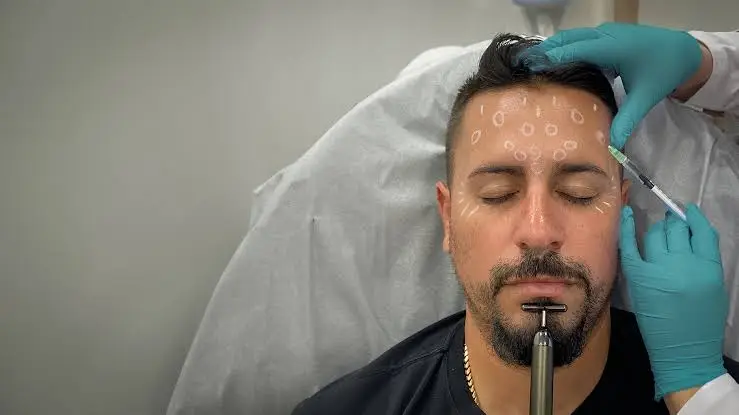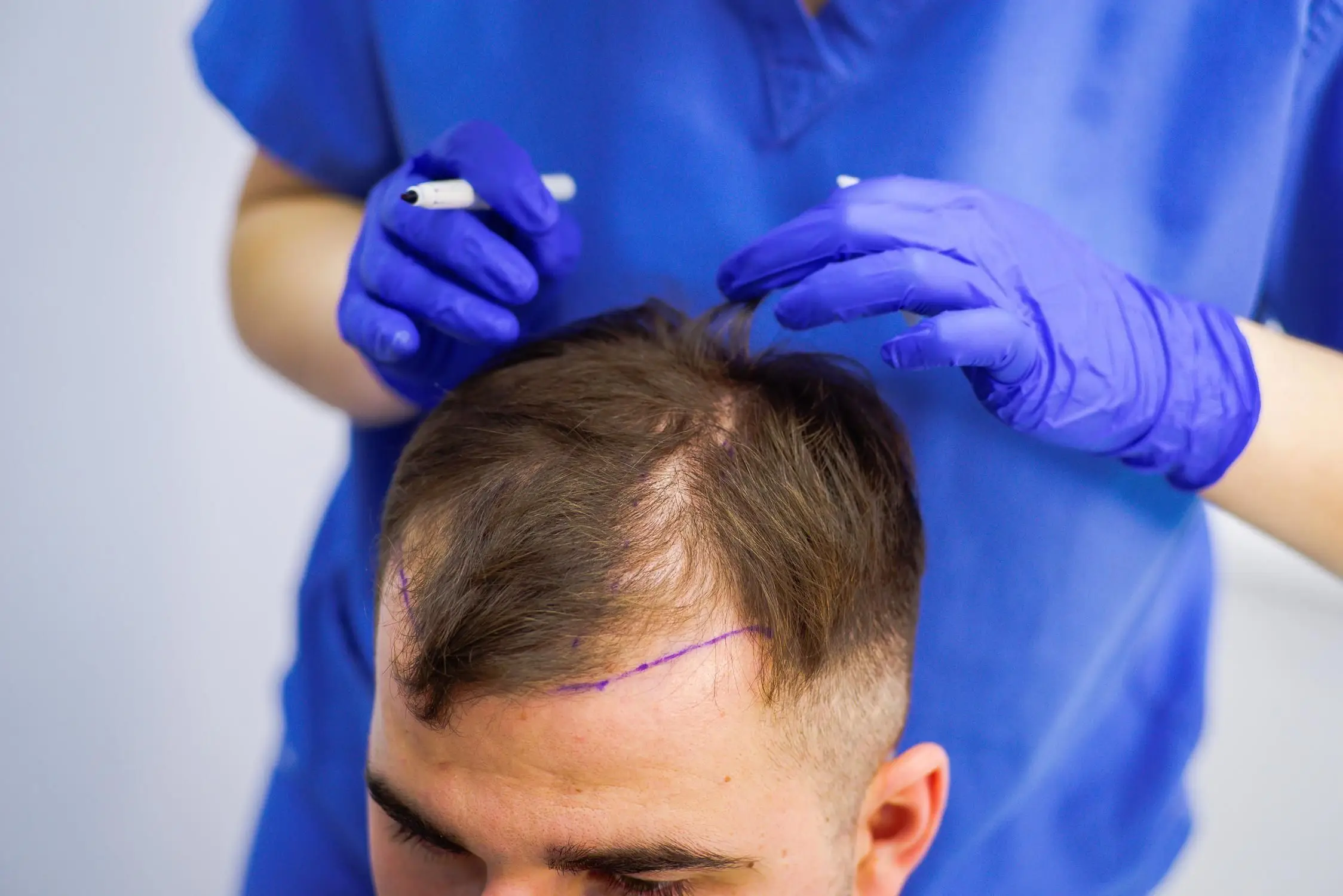
People searching where to get hair transplant should look for a qualified medical clinic that specializes in surgical hair restoration.
The best option is a licensed hair restoration clinic with experienced doctors who regularly perform modern techniques like follicular unit extraction or follicular unit transplant.
Many patients compare several clinics, review surgeon credentials, and examine before and after photos before scheduling a consultation. Choosing a reputable medical provider helps ensure the procedure is safe and produces natural looking results.
Key Takeaways
- Finding where to get hair transplant treatment starts with choosing a licensed hair restoration clinic with experienced surgeons and proven patient results.
- Modern procedures move healthy hair follicles from a donor area to thinning regions, helping restore density and produce natural looking results.
- The most common surgical methods include follicular unit extraction FUE and follicular unit transplant, both designed to transplant hair grafts carefully into balding areas.
- Recovery is usually mild, but patients should follow medical instructions and may combine surgery with other treatments for hair loss to maintain long term hair growth.
Understanding Hair Restoration Surgery
Hair transplant surgery is a medical treatment used to restore hair in thinning or bald spots. During the procedure, a trained hair transplant surgeon moves healthy hair follicles from one part of the scalp to another.
The hair usually comes from the back or sides of the head. This area is known as the donor zone because the donor hair is resistant to hair loss.
After the procedure, the follicles continue to grow in their new location. Over time, the hair blends with your natural hair and improves overall density.
Key Topics Every Hair Restoration Guide Should Cover
A strong guide should explain how the procedure works and how hair follicles move from the donor area to balding areas.
It should also explain the main methods, candidate eligibility, recovery time, and possible costs so readers understand the full process.
Choosing a Safe Place for Hair Restoration
When researching where to get a hair transplant, focus on medical experience and training. Many people begin their search by comparing well known hair transplant clinics with strong reputations.
A good hair restoration clinic will review your pattern of thinning and check the quality of donor hair. This helps determine whether surgery is the best hair loss treatment.
Patients also ask who does hair transplants. In most cases, the procedure is performed by dermatologists, cosmetic surgeons, or a plastic surgeon trained in hair restoration techniques.
Common Hair Restoration Techniques
Doctors use several modern hair restoration techniques to restore hair density. These methods move individual hair follicles from the donor area to balding areas.
The most common approaches include:
- Follicular unit extraction FUE – doctors remove single follicles and place them in thinning spots.
- Follicular unit transplant – a small strip of scalp is removed and divided into grafts.
- Combination methods – some specialists combine techniques for better coverage.
These hair restoration procedures focus on placing each hair follicle at the right angle. This helps create natural looking results that match existing healthy hair.
Who Performs the Procedure
Many people ask who does hair transplants and what type of doctor performs them. In most cases, the procedure is carried out by experienced hair transplant doctors who focus on surgical hair restoration.
Some patients say they first consulted with dr specialists before deciding on surgery. During the consultation, the doctor studies scalp health, hair density, and the pattern of hair thinning.
Professionals who may perform the treatment include:
- Dermatologists trained in surgical hair restoration
- Cosmetic or facial plastic surgeon specialists
- Dedicated hair transplant specialist physicians
Choosing a qualified hair transplant surgeon helps reduce risks and improve outcomes.
How the Procedure Works
The hair transplant procedure usually begins with local anesthesia to numb the scalp. This keeps the patient comfortable during the treatment.
The doctor then removes donor hair follicles from the donor area. These follicles are carefully placed into tiny openings in the balding areas.
Each group of follicles forms a graft. These hair grafts are positioned to match the natural direction of hair growth.
The main steps typically include:
- Preparing the donor area
- Extracting follicular units
- Creating small openings in thinning areas
- Implanting grafts into the scalp
After placement, the follicles begin a growth cycle that produces new healthy hair over time.
What to Expect During Recovery
Recovery after hair restoration surgery is usually mild. Most patients return to normal routines within a few days.
Common side effects may include swelling, redness, or mild itching in the scalp. These symptoms often fade within a short time.
Doctors often recommend the following steps after the procedure:
- Avoid heavy physical activity for several days
- Follow scalp washing instructions carefully
- Protect the scalp from direct sun exposure
- Attend follow up visits with the clinic
Hair growth takes time. Most patients begin to notice visible improvement several months after treatment.
Selecting the Right Hair Restoration Clinic
Choosing the right clinic plays a major role in long term results. Patients comparing providers often look for experienced hair transplant clinics with proven outcomes.
Some people also research surgeons offering hair transplant clinics in Boca Raton, like Kopelman Hair, since many centers there focus on advanced hair restoration techniques.
When evaluating providers, review several key factors:
- Experience of the hair transplant surgeon
- Before and after photos of past patients
- Reviews from men and women who received treatment
- Clear information about cost and possible side effects
Meeting with a hair transplant specialist allows patients to ask questions and understand the recommended approach.
Additional Treatments for Hair Loss
Surgery is not the only option for people dealing with thinning hair. Many clinics offer additional treatments for hair loss that support long term scalp health.
Common supportive therapies include:
- Prescription medication to slow hair thinning
- Platelet rich plasma injections to stimulate follicles
- Low level laser therapy to support hair growth
These treatments for hair loss can help maintain existing hair and support the success of surgical hair restoration procedures.
A qualified hair transplant specialist can design a treatment plan that protects both transplanted follicles and natural hair over time.