Mental health and addiction recovery conversations are becoming more visible across communities, workplaces, and families. Alongside this growing awareness is a deeper understanding that recovery is not a one-size-fits-all process. Different individuals require different forms of support depending on their experiences, age, and emotional needs.
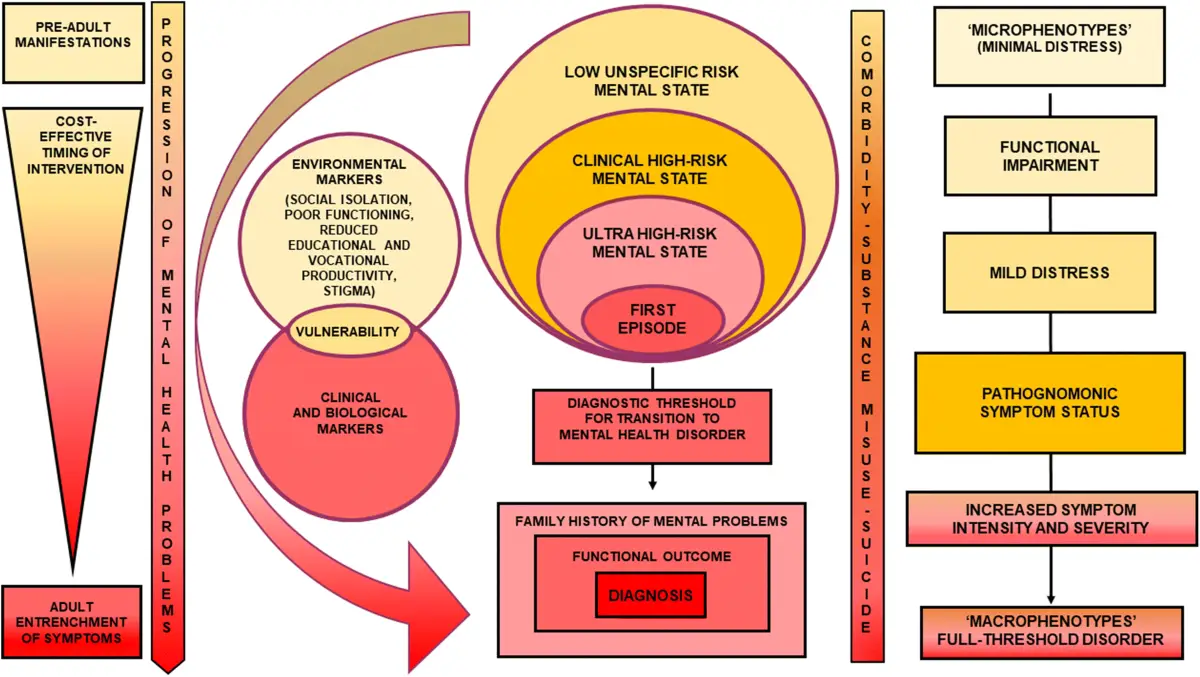
In recent years, healthcare professionals and behavioral specialists have emphasized the importance of early intervention, structured recovery care, and youth-focused mental health support. These approaches are helping individuals build healthier coping strategies and stronger long-term stability.
Understanding the Importance of Early Support
Many emotional and behavioral challenges begin gradually. Stress, anxiety, social pressure, and unresolved emotional struggles can affect both adults and younger individuals over time. Without proper support, these issues may become more difficult to manage.
Early support allows individuals to recognize unhealthy patterns before they become more serious. It also creates opportunities to develop healthier emotional responses and stronger coping skills.
The Role of Structured Recovery Environments
Recovery often requires a supportive setting that allows individuals to focus fully on healing without outside distractions or triggers.
A residential recovery support program provides structure, routine, and therapeutic guidance in a stable environment. This type of care helps individuals rebuild daily habits, strengthen emotional awareness, and develop healthier long-term routines.
Structured recovery environments also encourage consistency, which is an important part of long-term progress.
Why Mental Health Support for Young People Is Essential
Young people today face increasing emotional pressures related to academics, social expectations, technology, and personal identity. When emotional stress is left unaddressed, it can affect development, relationships, and overall wellbeing.
Programs focused on youth behavioral health guidance help younger individuals build emotional resilience and healthier coping strategies early in life. These services often focus on communication skills, emotional regulation, confidence-building, and stress management.
Providing support during adolescence can positively influence long-term mental wellness and personal growth.
Building Healthier Emotional Habits
Recovery and mental wellness are strengthened through consistent daily habits. While professional support is important, everyday routines also shape emotional wellbeing over time.
Helpful habits may include:
- Maintaining structured schedules
- Encouraging open communication
- Practicing mindfulness or relaxation techniques
- Staying physically active
- Building positive social connections
These habits help individuals feel more balanced and emotionally supported.
The Value of Emotional and Behavioral Guidance
Mental health support is not only about managing crisis situations. It is also about helping individuals better understand themselves and respond more effectively to life challenges.
Access to behavioral wellness and recovery services helps individuals improve emotional awareness, manage stress, and strengthen decision-making skills. Over time, this guidance supports greater confidence and emotional stability.
Community Awareness and Long-Term Wellness
As communities continue to prioritize mental health awareness, more individuals are beginning to seek support earlier. Open conversations around emotional wellbeing help reduce stigma and encourage healthier approaches to stress and recovery.
This growing awareness is especially important for young people, who benefit greatly from supportive environments and early access to care.
Conclusion
Mental health and recovery support continue to evolve as more attention is placed on emotional wellbeing and long-term stability. Through structured care such as a residential recovery support program, combined with youth behavioral health guidance and ongoing behavioral wellness and recovery services, individuals can build healthier foundations for the future.
With the right support systems in place, both adults and young people can develop the resilience and stability needed to navigate life’s challenges in healthier ways.