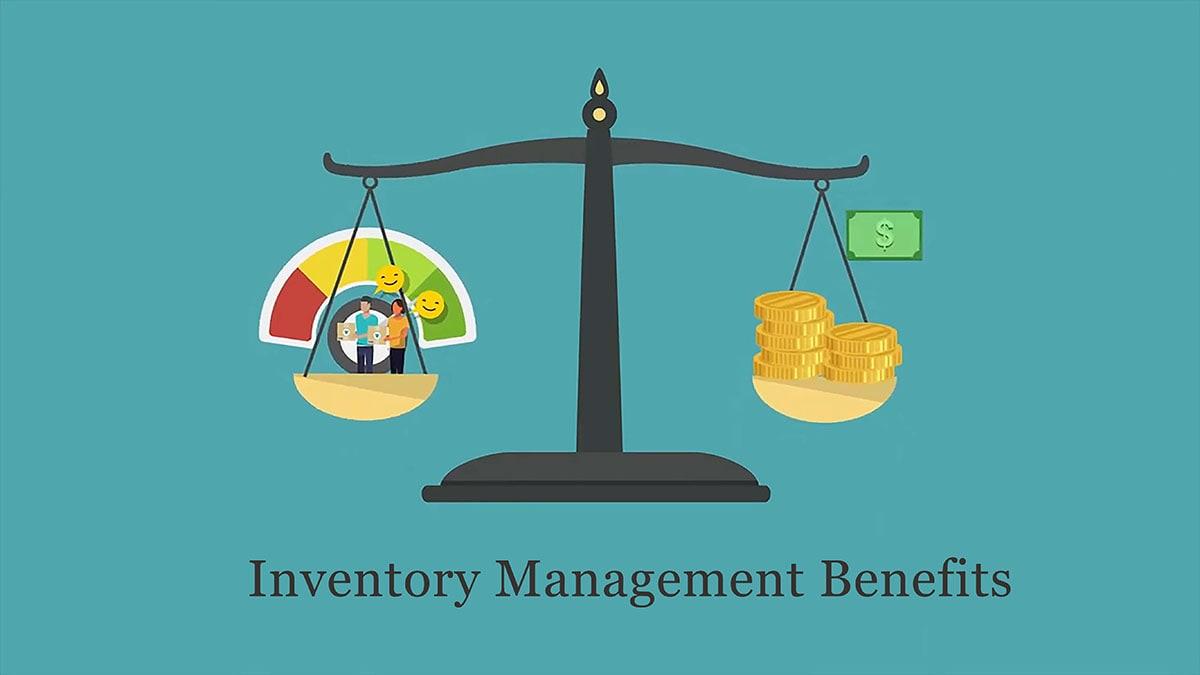
Inventory management is crucial for successful business operations. It involves overseeing and controlling the ordering, storage, and use of components that a company uses in the production of the items it sells. Effective inventory management ensures that businesses have the right products in the right quantity for sale, at the right time. This practice can significantly impact a company’s profitability and customer satisfaction. In this article, we will delve into the concept of inventory management, its importance, benefits, and various types of inventory involved in the process.
What is Inventory Management?
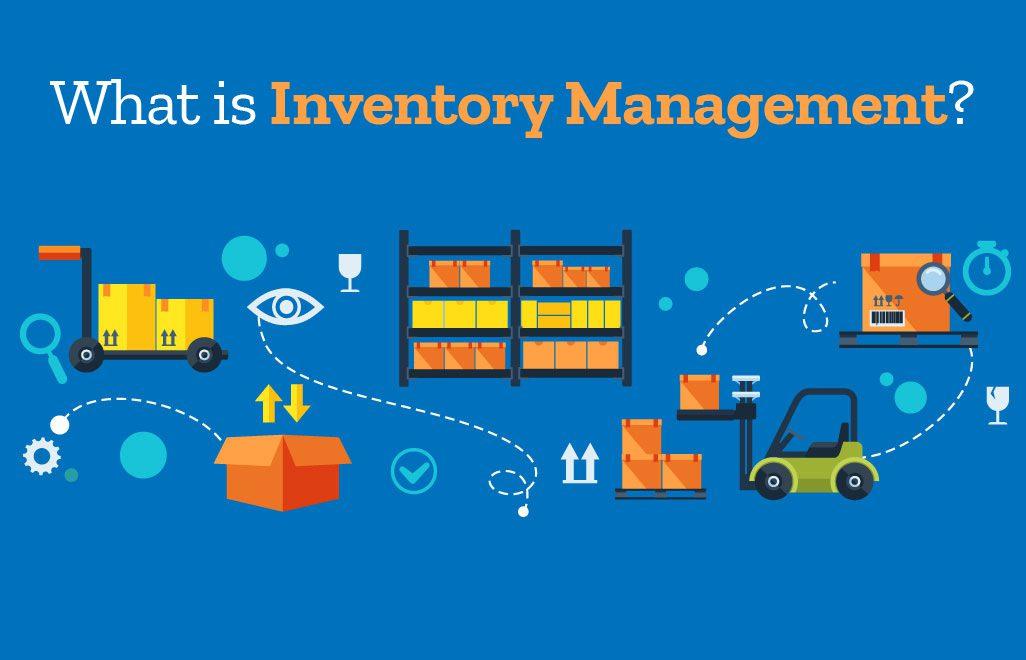
Inventory management is the systematic process of ordering, storing, and using a company’s inventory. This includes the management of raw materials, components, and finished products, as well as warehousing and processing of such items. Effective inventory management ensures that a company always has the right amount of product in the right place at the right time. It involves balancing the costs of inventory with the benefits of inventory.
The Importance of Inventory Management
Cash Flow
Inventory control and planning are vital for small and medium-sized enterprises (SMEs) to manage their cash flow effectively. Unlike larger corporations, SMEs often face limitations in purchasing large quantities of inventory due to restricted capital. By having a firm grip on their inventory, small businesses can determine precisely how much stock they need and when they need it. This precise management frees up capital, which can then be reinvested in other critical areas such as marketing, research and development, or expanding operations. Reducing excess inventory also helps in cutting down carrying costs, which include storage, insurance, and taxes.
Business Intelligence
An efficient inventory control and planning solution empowers small businesses with crucial insights into their fast-selling products. By understanding which items are in high demand, businesses can adjust their product lines and make quick, informed decisions. This data-driven approach enhances business intelligence, enabling companies to respond swiftly to market trends and customer demands. In the era of big data, leveraging inventory data can provide a significant competitive edge, guiding purchasing decisions, marketing strategies, and even product development.
Maximize Profits
Effective inventory management directly contributes to maximizing profits for small businesses. By making informed business decisions based on accurate inventory data, businesses ensure that only high-demand stock is maintained. Items that do not attract customer interest can be deemed obsolete and phased out, leading to a more efficient business practice. Additionally, businesses can choose to consign surplus inventory, turning potential losses into opportunities for profit. This strategic management helps avoid overstocking, which ties up capital and increases storage costs, as well as understocking, which can lead to lost sales and dissatisfied customers. Consequently, businesses can enjoy better sales performance and higher profit margins.
Limits Employee Mishandling
Implementing inventory planning and control significantly reduces the chances of employee mishandling. Often, employees might use items from the business inventory for personal use without proper inventory control systems in place. This misuse can go unnoticed by the business owner, ultimately reducing the profitability of the business. By establishing clear procedures and tracking mechanisms, businesses can limit the ability of employees to steal, thereby reducing potential ‘hidden’ costs. Furthermore, well-organized inventory systems minimize errors in inventory counts and movements, enhancing overall productivity.
Reduce Labor Costs
Improved inventory planning and control techniques allow small businesses to reduce labor costs associated with inventory management. Tasks such as counting stock and transporting inventory can be labor-intensive and time-consuming. Automating these processes through intelligent inventory planning and control solutions can significantly cut down on manual intervention. This operational efficiency translates into cost savings, freeing up employees to focus on other critical tasks and streamlining the overall workforce. By reducing the time spent on stock takes and reconciliations, businesses can achieve greater efficiency and cost-effectiveness.
Benefits of Inventory Management

1. Improved Order Accuracy: Accurate inventory records ensure that customer orders are fulfilled correctly and on time, enhancing customer satisfaction and loyalty.
2. Better Supplier Relationships: By having a clear understanding of inventory needs, businesses can negotiate better terms with suppliers and avoid last-minute rush orders.
3. Enhanced Production Planning: Inventory management provides insights into the availability of raw materials, which is essential for planning production schedules and meeting deadlines.
4. Reduced Waste: Proper management of inventory helps minimize waste due to overstocking or obsolescence, which is particularly important in industries with perishable goods.
5. Regulatory Compliance: Many industries are subject to strict regulations regarding inventory, especially in sectors like pharmaceuticals and food. Effective inventory management ensures compliance with these regulations, avoiding fines and legal issues.
6. Scalability: As businesses grow, managing inventory becomes more complex. A robust inventory management system can scale with the business, accommodating increased volume and complexity without compromising efficiency.
Types of Inventory Management
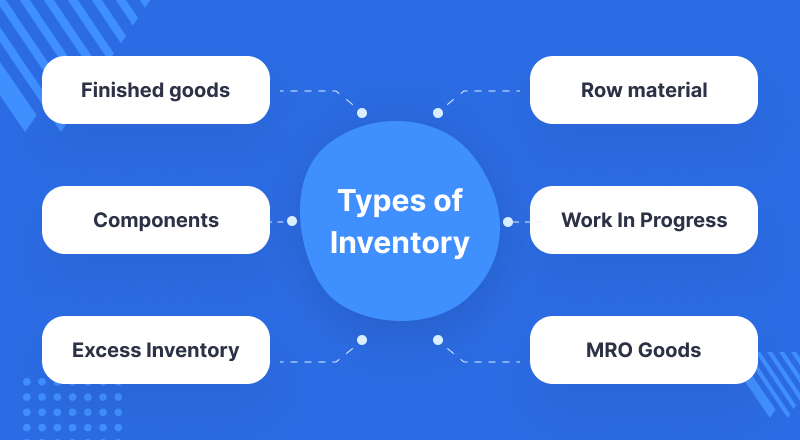
Inventory can be classified into several types, each requiring different management strategies:
Raw Goods
Raw goods are the basic materials used in the production process. Managing raw goods involves ensuring that there is enough stock to keep production running smoothly while avoiding excess that ties up capital. This requires close coordination with suppliers and accurate demand forecasting.
Work-in-Progress (WIP)
Work-in-progress inventory includes items that are in the process of being manufactured but are not yet complete. Managing WIP inventory involves tracking the progress of production and ensuring that there are no bottlenecks that could delay the completion of finished goods.
Finished Goods
Finished goods are completed products ready for sale. Effective management of finished goods involves ensuring that there is sufficient stock to meet customer demand without overstocking. This requires accurate sales forecasting and efficient distribution channels.
Maintenance, Repair, and Operation Goods (MRO)
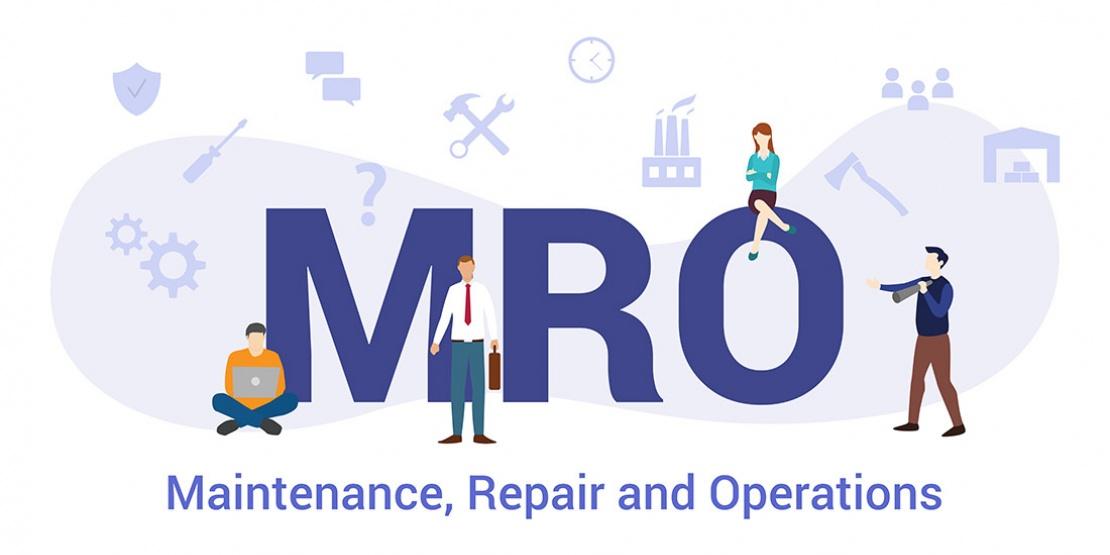
MRO goods are items used in the maintenance, repair, and operation of equipment and facilities. Managing MRO inventory involves keeping track of items such as spare parts, tools, and supplies, ensuring that they are available when needed to avoid downtime and disruptions in operations.
Conclusion
Inventory management is a multifaceted discipline that plays a critical role in the success of any business. From ensuring optimal cash flow and leveraging business intelligence to maximizing profits and reducing labor costs, the benefits are numerous and far-reaching. Understanding the different types of inventory and their unique management needs is essential for developing a comprehensive inventory management strategy. In today’s competitive market, investing in robust inventory management practices is not just beneficial but essential for long-term success.
Technology Perspective
Technology continues to transform industries through artificial intelligence, cloud computing, automation, cybersecurity, digital platforms, and data-driven decision making. As organizations increasingly adopt digital solutions, understanding emerging technologies becomes essential for businesses, professionals, and consumers. DGM News regularly covers these developments through expert analysis, technology news, and educational resources.
Innovation Outlook
Rapid advances in artificial intelligence, automation, machine learning, cloud infrastructure, and digital transformation continue reshaping global industries. Monitoring these developments helps organizations adapt to changing technologies, improve efficiency, and prepare for future innovation.
Did you know?
Artificial Intelligence is expected to influence nearly every major industry over the coming decade, from healthcare and finance to transportation, manufacturing, education, and entertainment.
AI, Machine Learning, Deep Learning and Generative AI Explained
Google AI Updates
About DGM News
DGM News is an independent digital publication delivering the latest Technology News, AI News, and FinTech News. We provide expert insights on startups, innovation, cybersecurity, software, business, gadgets, cloud computing, artificial intelligence, and emerging technologies. Our mission is to publish informative, accurate, and regularly updated content that helps readers stay informed in today's rapidly evolving digital landscape.
Since our editorial focus includes technology, artificial intelligence, and financial technology, we continuously expand our coverage as new innovations emerge.
Editorial Standards
Every article published on DGM News undergoes editorial review before publication. We prioritize factual accuracy, clarity, transparency, and reader value while following responsible digital publishing practices.
Research Methodology
Our editorial team researches publicly available information from official announcements, technical documentation, research publications, developer resources, reputable industry reports, and trusted public sources whenever applicable. Information is reviewed to improve clarity and accuracy before publication.
Fact-Checking Policy
We make reasonable efforts to verify factual information before publishing. Articles are reviewed for accuracy, consistency, and relevance. If significant developments occur after publication, content may be revised to reflect updated information.
Update Policy
Technology evolves rapidly. Articles may be reviewed and updated periodically to reflect software releases, AI developments, security advisories, regulatory updates, product launches, and other important industry changes.
Source Verification
Whenever possible, DGM News reviews information using official company announcements, technical documentation, research publications, government resources, publicly available reports, and reputable industry references before updating articles.
Editorial Independence
DGM News maintains editorial independence in all publishing decisions. Editorial content is produced independently and is intended to provide balanced, informative, and reader-focused coverage without influence from advertisers or commercial partnerships.
AI Usage Disclosure
Artificial intelligence tools may assist with research organization, grammar improvement, formatting, or editorial workflows. Every article is reviewed by human editors before publication to help maintain quality, clarity, and factual accuracy.
Corrections Policy
Accuracy is important to us. If readers identify outdated information or factual inaccuracies, they are encouraged to contact our editorial team. Verified corrections are reviewed and incorporated whenever appropriate.
Reader Feedback
Reader feedback helps improve our journalism. We welcome suggestions, corrections, and constructive feedback through our Contact page to continuously improve the quality of our reporting.
Last Editorial Review
This article follows the DGM News editorial review process and may be updated periodically as new information becomes available.
Why Trust DGM News?
DGM News is committed to publishing technology journalism that emphasizes accuracy, transparency, editorial independence, and regularly updated information. Our editorial process is designed to provide readers with reliable coverage of technology, AI, fintech, startups, and digital innovation.
DGM News Resources
Topics We Cover
Artificial Intelligence • AI Tools • Machine Learning • FinTech • Cybersecurity • Cloud Computing • Programming • Software Development • Gadgets • Mobile Technology • Business Technology • Startups • Digital Marketing • Blockchain • Cryptocurrency • Science • Innovation • Consumer Technology • Enterprise Technology • Automation