A lot of South Florida athletes and active adults arrive at their first corrective exercise program after months of doing everything right on paper and still getting hurt. They are running Flagler Street on schedule, showing up to their Boca pickleball league twice a week, logging laps at the Venetian Pool, and still dealing with a hip that locks up, a shoulder that catches, or a knee that flares every time mileage climbs. The problem is rarely effort. It is almost always movement, and corrective exercise exists to find and fix the specific patterns driving the problem. Aries Physical Therapy runs South Florida physical therapy programs built around exactly that process, and knowing what to expect before you start makes the whole experience more productive from day one.
The Assessment Comes First, and It Will Surprise You
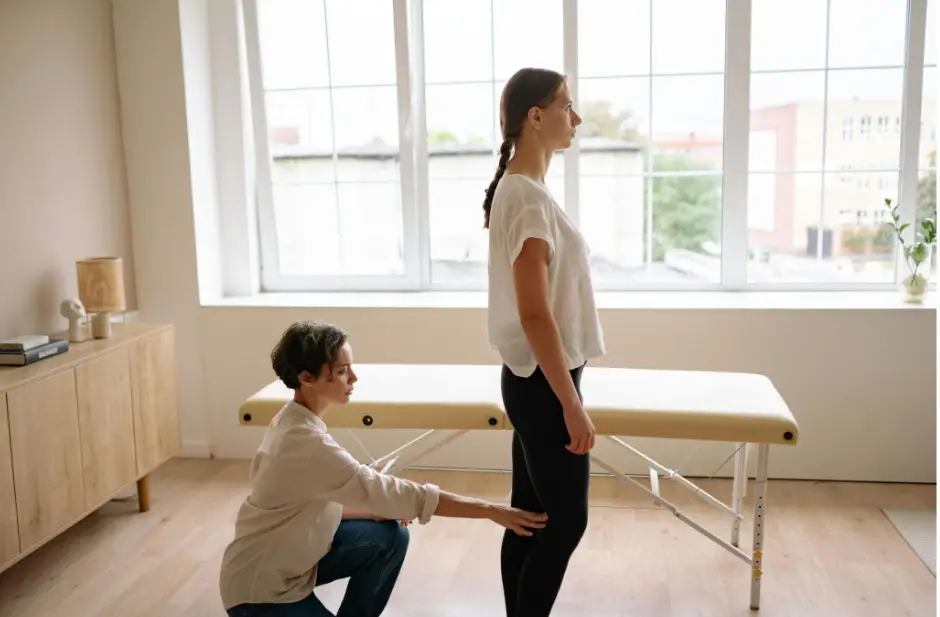
Before any exercise is assigned, a clinician will watch how you move through fundamental patterns, including squatting, hinging, pressing, rotating, and balancing on a single leg. What shows up is often not what people expect. A Fort Lauderdale cyclist who has been riding for a decade may have almost no hip extension on one side, which means every pedal stroke is being driven by the lower back instead of the glute. A Coral Springs tennis player with chronic shoulder pain may have a shoulder blade that stops rotating at exactly the wrong moment during a serve, loading the rotator cuff every single time. These are not things people feel in the moment. They are patterns the body has quietly normalized over years of repetition, and a South Florida physical therapy assessment is designed specifically to surface them.
Your Program Reflects What the Assessment Found, Not a Generic Template
Two people who walk into Aries with the same complaint will often leave with completely different programs because the movement patterns and compensations behind their pain are different. A CrossFit athlete with knee pain caused by collapsed arches and poor ankle mobility needs a different starting point than a desk-bound professional whose knee pain comes from sitting for ten hours a day and never activating their glutes. South Florida physical therapy at this level is built around the individual assessment, not a one size fits all approach, which is why the exercises in the first few sessions often look nothing like what people assumed they would be doing.
The Exercises Will Feel Unfamiliar and Deceptively Simple
Most people expect corrective exercise to feel like a workout. It usually does not, at least not at first. The early phase is about reactivating muscles that have gone quiet, restoring ranges of motion the body has been avoiding, and teaching movement patterns the nervous system has never learned correctly. A recreational runner preparing for the Miami Half Marathon might spend an entire session working on a single leg deadlift at bodyweight, not because the movement is easy, but because they have never actually felt their hamstring load under control before. A South Florida physical therapy clinician will coach quality over everything else at this stage because building load on top of a broken pattern only reinforces the problem.
What Happens Outside the Clinic Drives the Result
The home exercise program assigned between sessions is not optional supplemental work. It is where most of the adaptation actually happens. The body reinforces what it practices most, and a South Florida physical therapy session two or three times per week is not enough repetition on its own to overwrite movement habits that have been building for years. South Florida physical therapy works best when the work done at home reinforces what happens in the clinic. A Brickell professional running through a scapular control sequence before opening a laptop, or a parent fitting in ten minutes of hip activation before the school run, is doing the work that makes in-clinic progress stick. The assignments are kept short and specific for exactly that reason.
Progress Happens in Phases, Not All at Once
Corrective exercise is a progression, not a fixed program with a defined end date. Early sessions focus on stability and control. Later sessions introduce load, speed, and complexity as movement quality improves. A South Florida physical therapy provider will reassess regularly, advancing the program when the body is ready and pulling back when something new surfaces that needs attention. Most people notice that progress accelerates once the foundational work settles in, not because they are working harder, but because the body finally has the base it needs to train without constantly compensating around its own limitations.
A Stronger Starting Point for Everything Else
Corrective exercise done well does not keep you in a clinic indefinitely. It gives you the movement awareness and physical foundation to train harder, compete longer, and recover faster from everything South Florida throws at your body year round. Aries Physical Therapy offers South Florida physical therapy that starts with where you actually are and builds toward where you want to be, with programming specific enough to make a real difference and practical enough to fit into real life.