Japan is a country defined by its seasons—each one transforming not just the scenery, but also the pace of life, the cultural events, and even the way you’ll experience travel day to day. From the delicate pink hues of spring cherry blossoms to the powdery snows of winter ski resorts, Japan shifts dramatically throughout the year, creating completely different travel landscapes. Because of this, planning your trip with the seasons in mind can make a world of difference. This guide provides a detailed look at what to expect in every season and offers practical, traveler-friendly tips to help you make the most of your journey. And since staying connected is essential for navigating transportation, weather alerts, and language tools, many visitors choose reliable travel internet options such as Mobal for seamless eSIM service throughout Japan.
Spring in Japan (March–May)
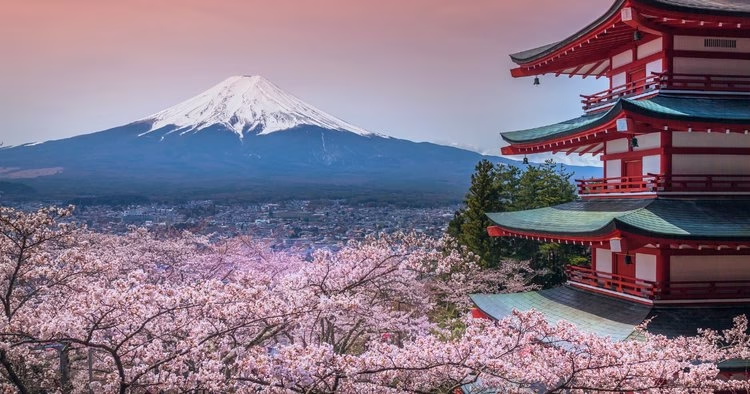
Spring is perhaps the most iconic season in Japan, drawing millions of visitors for one main reason: cherry blossoms. But beyond the breathtaking sakura, the season offers some of the most comfortable weather and meaningful cultural traditions.
Weather: Cool, Pleasant, and Blooming
Temperatures rise steadily from early March, bringing crisp mornings and comfortably warm afternoons. Rain showers are common, especially as the cherry blossoms begin to appear, but overall it’s one of the most enjoyable times to be outdoors.
Events: Hanami & the Start of Golden Week
Cherry blossom season is the heart of spring travel. Locals and tourists alike gather beneath blooming trees to enjoy hanami, or flower-viewing picnics, in parks across the country.
Late April ushers in Golden Week, one of Japan’s busiest travel periods, featuring multiple national holidays that pack trains, airports, and hotels.
Tips for Spring Travelers
- Book transportation and accommodation early. With both cherry blossom tourists and Golden Week travelers flocking across the country, demand surges quickly.
- Pack light layers and an umbrella. Spring weather changes fast, and sudden showers are common.
- Use real-time transit and bloom-tracking apps. Cherry blossom forecasts shift every year based on temperature patterns, so staying updated helps you catch them at their peak.
- Connectivity suggestion: An eSIM is a smart choice for a minimalist setup, offering flexibility without needing a physical SIM card.
Spring in Japan is a season of renewal—beautiful, festive, and bustling. With the right preparation and connectivity, you can navigate the crowds and fully immerse yourself in the beauty of the season.
Summer in Japan (June–August)
Summer in Japan is vibrant, energetic, and full of tradition—but it also brings heat, humidity, and unpredictable weather. It’s a season that rewards flexibility and preparation.
Weather: Hot, Humid, and Sometimes Stormy
Temperatures frequently climb past 30°C (86°F), and humidity levels can be intense, especially in major cities like Tokyo, Osaka, and Kyoto. The rainy season typically begins in June, followed later by a risk of typhoons.
Events: Festivals, Fireworks & Obon Travel
Summer is the season of matsuri, traditional festivals filled with music, dancing, and street food stalls. Spectacular firework shows illuminate the skyline in cities all over Japan.
August brings Obon, a major holiday period when many locals return to their hometowns, creating one of the busiest travel periods of the year.
Tips for Summer Travelers
- Pack breathable, lightweight clothing and essentials like sunscreen and a hat.
- Be prepared for sudden rainstorms. A compact umbrella or light rain jacket is essential.
- Stay online for weather alerts and festival updates, as typhoons can cause last-minute schedule changes.
- Pocket WiFi is useful for groups. If multiple people need connectivity, sharing one device can save money and simplify your setup.
Summer in Japan is a season of energy and celebration. With festival sounds filling the air and food stalls lining the streets, it’s a time when tradition comes alive—so long as you’re prepared for the climate.
Autumn in Japan (September–November)
Autumn rivals spring as the most scenic time to visit Japan. With cooler temperatures and fiery red foliage, it offers some of the most photogenic landscapes of the year.
Weather: Cool, Clear, and Perfect for Exploring
As the heat of summer fades, autumn brings crisp air, clear skies, and comfortable daytime temperatures. By October and November, the country’s forests transform into brilliant shades of red, orange, and gold.
Events: Autumn Leaves & Fewer Crowds
The Japanese maple—called momiji—is the star of the season, drawing travelers to temples, gardens, and mountain trails for foliage viewing.
Compared to spring, autumn tends to have smaller crowds, making it an ideal time for a relaxed trip.
Tips for Autumn Travelers
- Dress in layers. Days can be warm, but mornings and evenings turn chilly.
- Take advantage of perfect outdoor conditions. Hiking trails, temples, scenic lakes, and national parks are at their best.
- Use foliage-tracking and transit apps to find the most vibrant spots during your visit.
- Choose eSIM or Pocket WiFi based on your setup. Both work equally well; your device compatibility and data needs should guide your choice.
Autumn in Japan is serene, colorful, and deeply atmospheric—perfect for slow travelers, photographers, and anyone who loves nature.
Winter in Japan (December–February)
Winter offers an entirely different side of Japan: snow-covered landscapes, cozy traditions, and world-class ski resorts.
Weather: Cold, Snowy, and Especially Harsh Up North
While southern cities like Tokyo experience cold but manageable winters, the northern regions—especially Hokkaido—see heavy snowfall. Mountainous areas also become winter wonderlands, perfect for skiing and snowboarding.
Events: Illuminations, New Year & Ski Season
Winter brings dazzling city illuminations, festive decorations, and Christmas markets.
Japan’s New Year period (shōgatsu) is one of the most important holidays, during which many businesses close for several days.
Meanwhile, ski enthusiasts flock to resorts like Niseko, Hakuba, and Nozawa Onsen.
Tips for Winter Travelers
- Pack thermal layers and snow gear if visiting northern areas or ski regions.
- Book transportation and lodging early for New Year, as seats and rooms sell out quickly.
- Use navigation and snow condition apps to keep track of road closures, mountain conditions, and ski lift operations.
- Pocket WiFi is helpful for large data needs, especially for travelers who upload photos, stream, or work remotely.
Winter is magical, especially for travelers who enjoy snow sports or want to experience Japan’s cozy seasonal traditions. With the right gear and a reliable connection, you can navigate winter safely and comfortably.
Connectivity Year-Round in Japan
No matter which season you visit, staying connected in Japan is extremely helpful. Weather forecasts, transit navigation, map apps, translation tools, and digital payments all rely on stable internet access.
Why Staying Online Matters
- Seasonal weather can change fast—from sudden summer storms to winter snow delays.
- Real-time transit apps help you navigate the world’s busiest rail systems.
- Festival schedules, ticket availability, and bloom or foliage predictions are all updated online.
- Translation and navigation tools make daily travel smoother and less stressful.
Comparing Connectivity Options
SIM Card:
A simple, budget-friendly option but may require swapping your physical SIM.
eSIM:
Instant activation, no physical card needed, and ideal for modern smartphones. Great for lightweight travelers or those arriving late at night.
Pocket WiFi:
Perfect for families, groups, or travelers who expect heavy data usage.
Explore eSIM Options for Japan
If you’re considering digital connectivity, check out reliable eSIM options for Japan to ensure smooth travel.
Final Thoughts
Japan is a country where the seasons shape not only the scenery but also the rhythm of travel. Cherry blossoms, summer matsuri, autumn foliage, and winter snows each offer different experiences—and each requires its own style of planning. Choosing the right connectivity solution, such as an easy-to-activate eSIM from Mobal ensures that you stay informed and connected no matter which season you visit.