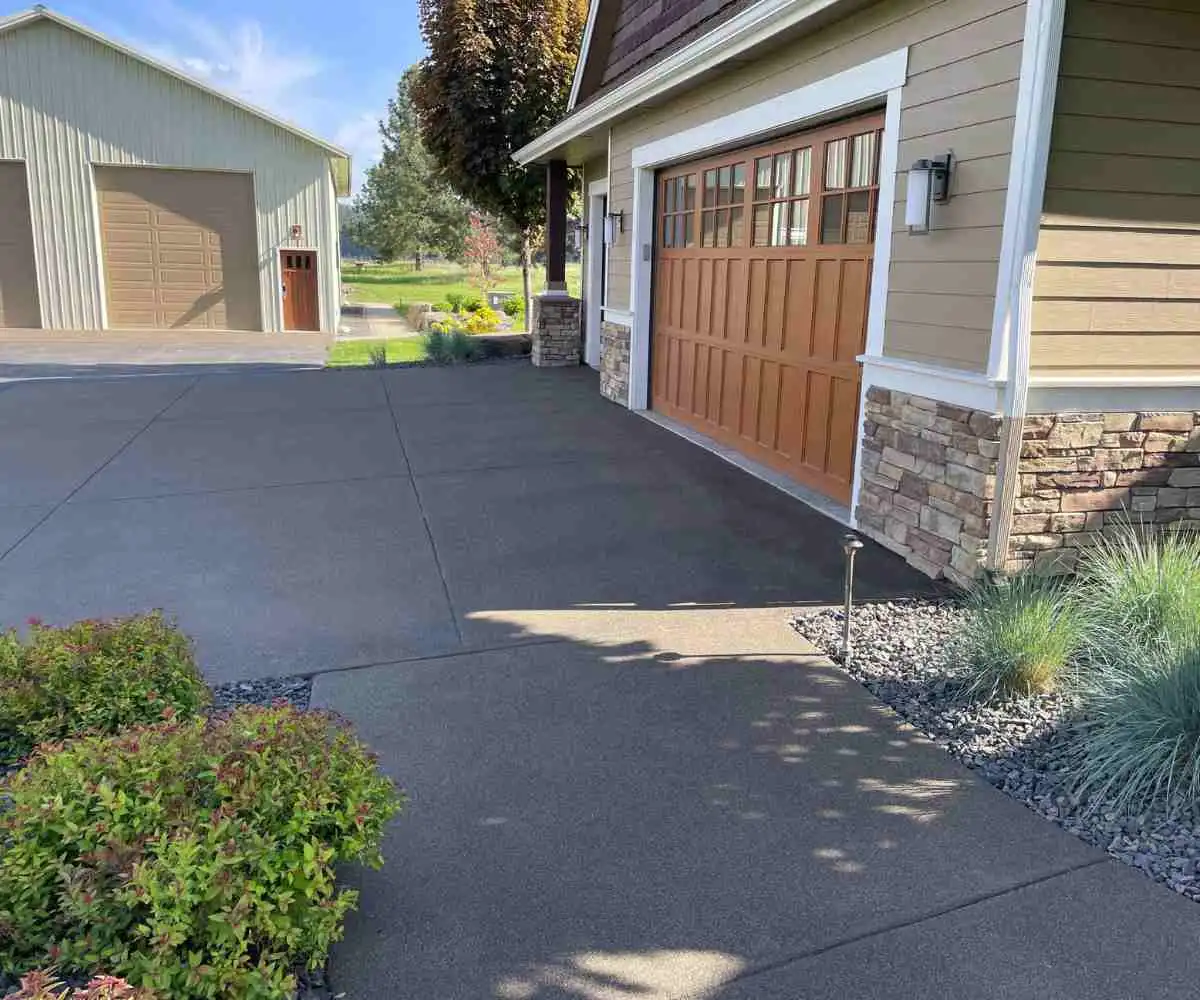
Florida’s intense sun, heavy rainfall, and high humidity create a unique set of challenges for residential and commercial driveways. Over time, concrete and paved driveways can develop cracks, surface scaling, discoloration, and structural wear if not properly maintained.
In this guide, we explore the most common resurfacing mistakes, explain why they happen, and show how professional, climate-aware solutions can restore and protect your driveway. Whether you’re a homeowner or property manager, understanding these pitfalls is the first step toward achieving a durable, safe, and visually lasting surface.
Why Driveway Resurfacing Matters in Florida
Florida’s tropical environment places constant stress on driveway surfaces. High humidity and frequent rainfall allow moisture to penetrate porous concrete, while prolonged UV exposure accelerates fading and surface breakdown. In coastal regions, salt intrusion further contributes to deterioration, weakening the surface over time.
Without proper maintenance or resurfacing, these environmental pressures can reduce performance, compromise safety, and shorten the lifespan of your driveway.
Professionally executed driveway resurfacing helps counter Florida’s environmental challenges by:
Repairing surface cracks, chips, and minor spalling
Limiting moisture and chloride intrusion
Restoring surface strength and load-bearing performance
Enhancing curb appeal without full removal
Extending long-term durability at a fraction of replacement cost
This keeps the section climate-focused, not process-focused.
Avoiding Common Driveway Resurfacing Mistakes in Florida
Driveway resurfacing doesn’t fail because the concept is flawed.it fails when essential preparation and climate considerations are ignored. Florida’s heat, heavy rains, humidity, and salt exposure amplify the consequences of shortcuts. Knowing what to avoid is critical for long-term success.
The most common mistakes that undermine resurfacing projects include:
Insufficient Surface Preparation
Driveways must be thoroughly cleaned, mechanically profiled, and free of oils, debris, and weak surface layers before resurfacing. Inadequate preparation prevents proper bonding, often resulting in peeling, flaking or delamination within a short period.
Ignoring Moisture Conditions
Florida slabs frequently retain moisture due to humidity and rainfall. When vapor movement is not addressed, resurfacing layers may bubble, lift or crack. Professional resurfacing accounts for moisture control to ensure adhesion and longevity.
Using Materials Not Designed for Florida’s Climate
Generic resurfacing products may perform well in milder regions but struggle under Florida’s UV exposure and thermal expansion cycles. Materials must be engineered to resist heat, moisture and surface stress to prevent premature failure.
Treating Structural Problems as Cosmetic Issues
Resurfacing improves appearance, but it cannot correct serious foundation movement, base instability or extensive structural damage. Applying overlays without evaluating structural integrity can mask deeper problems and accelerate deterioration.
By avoiding these mistakes and implementing system based resurfacing methods, property owners can ensure their driveways remain durable, safe and visually appealing even under Florida’s demanding environmental conditions.
What Professional Driveway Resurfacing Services Include
Driveway resurfacing is not a one size fits all solution. Effective resurfacing begins with understanding why the surface has deteriorated and selecting materials and techniques suited to Florida’s climate. Reputable contractors follow a structured, performance-driven approach.
Condition Assessment and Surface Evaluation
The process starts with a detailed inspection of cracks, scaling, drainage patterns and substrate stability. This ensures resurfacing addresses root causes rather than temporarily covering visible damage.
Crack Repair and Joint Stabilization
Cracks and joints are primary entry points for water and debris. Proper repair restores continuity in the slab and limits moisture intrusion, reducing the likelihood of future surface failure.
Surface Preparation and Mechanical Profiling
Professional preparation may involve pressure washing, grinding or shot blasting to create a strong bonding profile. Proper profiling ensures resurfacing materials adhere securely and uniformly.
Application of High-Performance Resurfacing Systems
Specialized resurfacing compounds are applied to restore texture, correct minor surface irregularities and create a uniform finish. These systems enhance durability while improving traction and visual consistency.
Protective Sealers and UV-Resistant Coatings
Sealants and coatings protect the resurfaced driveway from stains, UV damage, moisture penetration and abrasion essential for Florida’s climate.
Drainage and Moisture Mitigation
Where necessary, contractors address drainage improvements or apply moisture-resistant treatments to reduce long-term water related damage.
Together, these services restore not just appearance but structural reliability, safety and long-term performance.
In Florida, leading resurfacing professionals often rely on integrated bonding and resurfacing systems engineered to manage moisture, enhance adhesion and withstand environmental stress rather than depending on isolated patchwork repairs.
The Benefits of Professional Driveway Resurfacing
Investing in professional driveway resurfacing provides multiple advantages:
Improved Safety
Cracked or uneven driveways create tripping hazards and drainage issues. Resurfacing restores a stable, even surface.
Enhanced Curb Appeal
A clean, uniform driveway significantly improves the overall look of a home or commercial property.
Cost Savings Over Time
Resurfacing extends the life of the existing driveway, delaying or eliminating the need for full replacement.
Increased Property Value
Well maintained exterior surfaces increase perceived property value and marketability.
Climate Resilience
Properly resurfaced and sealed driveways withstand Florida’s weather challenges, reducing future maintenance demands.
Tips for Choosing the Right Driveway Resurfacing Service in Florida
To ensure high-quality results, consider the following:
Check Experience
Choose contractors with proven experience handling Florida’s climate conditions.
Ask About Materials
Ensure the company uses high-performance resurfacing products designed for UV resistance and moisture control.
Review Past Projects
Photos, case studies, and client testimonials offer insight into workmanship and consistency.
Request Detailed Estimates
A clear proposal outlining scope, timeline, and warranty terms promotes transparency.
Verify Licensing and Insurance
Confirm that the contractor complies with Florida regulations and carries proper insurance coverage.
FAQs
How long does driveway resurfacing last?
With professional application and proper maintenance, resurfacing can last 8–15 years depending on traffic levels, exposure and materials used.
Is resurfacing better than replacing a driveway?
In many cases, yes. If the base structure is sound, resurfacing is more cost-effective and less disruptive than full replacement.
Can resurfacing prevent future cracks?
While no system can eliminate cracking entirely, professional resurfacing significantly reduces surface level cracking and protects against moisture intrusion.
How soon can I use my driveway after resurfacing?
Cure times vary based on materials and weather conditions but typically range from several hours to a few days. Your contractor will provide specific guidance.
Summary
Driveway resurfacing in Florida requires more than applying a new surface layer it demands climate-aware preparation, moisture management, and materials engineered for long-term durability. Success depends on selecting experienced professionals who understand Florida’s environmental pressures and approach resurfacing as a complete system rather than a cosmetic upgrade.