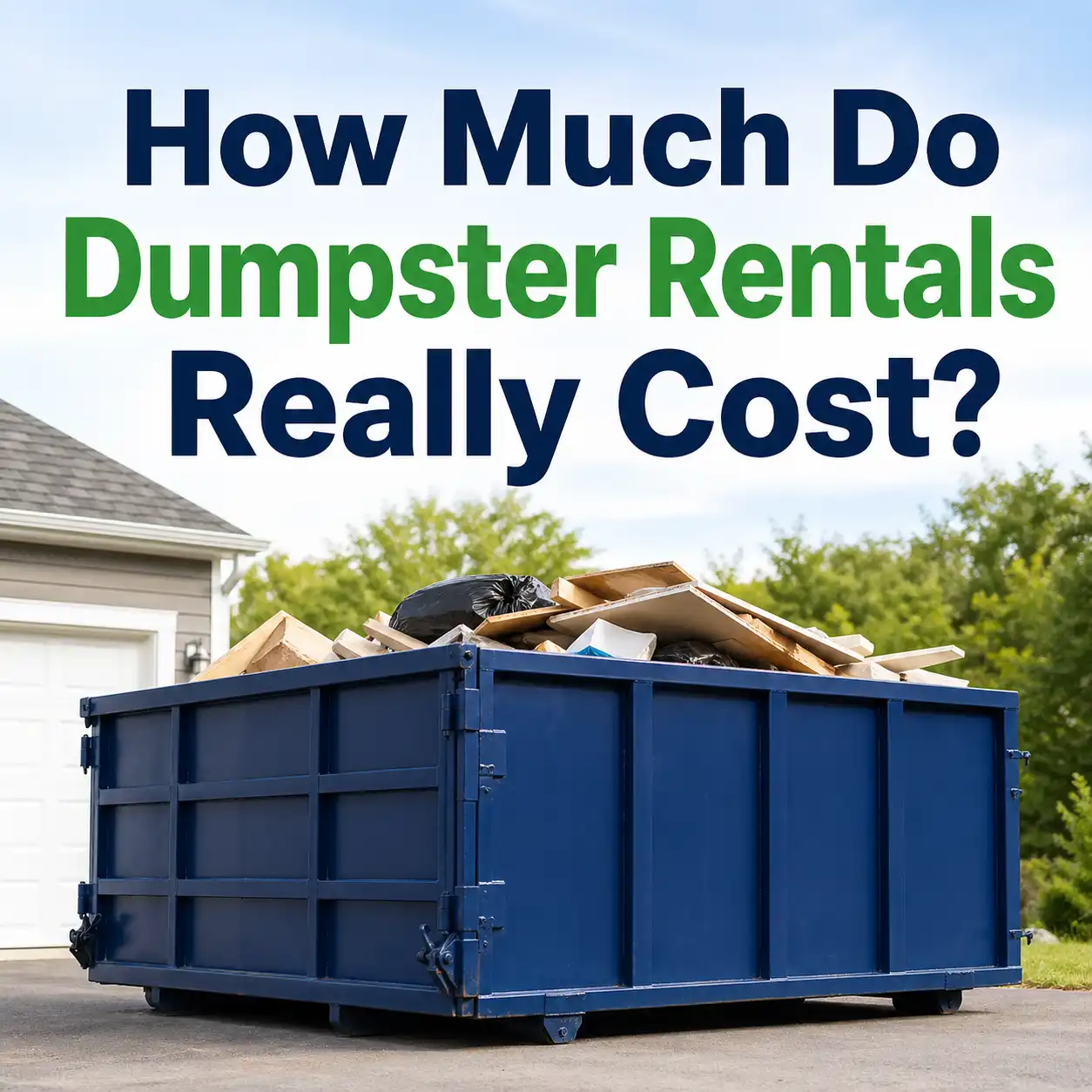
Dumpster rentals are an essential service for homeowners, contractors, and businesses managing large volumes of waste. Whether you are renovating a kitchen, clearing out a property, or overseeing a construction project, renting a dumpster provides a convenient and efficient way to handle debris. However, many people are unsure about the actual costs involved. Understanding the factors that influence pricing helps you budget effectively and avoid unexpected expenses.
Base Rental Fees
The foundation of dumpster rental costs is the base fee charged by the rental company. This fee typically covers delivery, pickup, and a set rental period, often ranging from a few days to a week. The size of the dumpster plays a major role in determining the base fee. Smaller dumpsters, such as 10-yard units, are generally less expensive, while larger options like 30- or 40-yard dumpsters command higher prices. The base fee provides the starting point, but additional factors can significantly affect the final cost.
Size and Capacity
Dumpster size is one of the most important cost determinants. A 10-yard dumpster may be sufficient for small cleanouts or minor renovations, while larger projects require 20-, 30-, or 40-yard options. The larger the capacity, the higher the rental fee. Choosing the right size is crucial because underestimating your needs can lead to multiple hauls, while overestimating results in paying for unused space. Proper planning ensures you select the most cost-effective option.
Rental Duration
The length of time you keep the dumpster also impacts cost. Most companies include a standard rental period in the base fee, but extending beyond that timeframe incurs daily or weekly charges. Projects that take longer than expected can quickly increase expenses if the dumpster remains on-site. Accurately estimating project timelines and discussing flexible rental options with providers helps manage costs effectively.
Weight Limits and Overages
Dumpsters are subject to weight restrictions, and exceeding these limits results in additional fees. Heavy materials such as concrete, bricks, or roofing shingles can quickly add weight even if the dumpster is not full. Rental companies charge overage fees per ton when weight limits are exceeded. Understanding both the volume and weight of your waste is essential to avoid surprises. Some companies offer specialized dumpsters for heavy debris, which may be more cost-effective for certain projects.
Location and Accessibility
Geographic location influences dumpster rental costs. Urban areas with higher demand often have higher prices, while rural areas may involve additional transportation fees. Accessibility also matters. If your property is difficult to reach or requires special permits for placement on public streets, costs can increase. Planning ahead and ensuring clear access for delivery trucks helps minimize these expenses.
Type of Waste
The type of waste you are disposing of can affect pricing. Standard household and construction debris are usually included in the base fee, but hazardous materials, electronics, and certain appliances are prohibited. Attempting to dispose of restricted items can result in fines or additional charges. Some companies offer specialized services for yard waste, heavy debris, or recyclable materials, each with its own pricing structure.
Additional Fees
Beyond the base fee, several additional charges may apply. These include overage fees for exceeding weight limits, charges for extended rental periods, and costs for special permits. Some companies also charge for failed delivery attempts if the site is not accessible. Understanding the full fee structure before booking ensures transparency and helps you budget accurately.
Conclusion
Dumpster rental costs vary depending on size, duration, weight limits, location, and type of waste. While base fees provide a starting point, additional charges can significantly impact the final price. By carefully estimating project needs, selecting the right size, and understanding company policies, homeowners and businesses can manage waste efficiently without overspending. Ultimately, the true cost of dumpster rentals depends on preparation and informed decision-making, ensuring that your project runs smoothly and stays within budget.