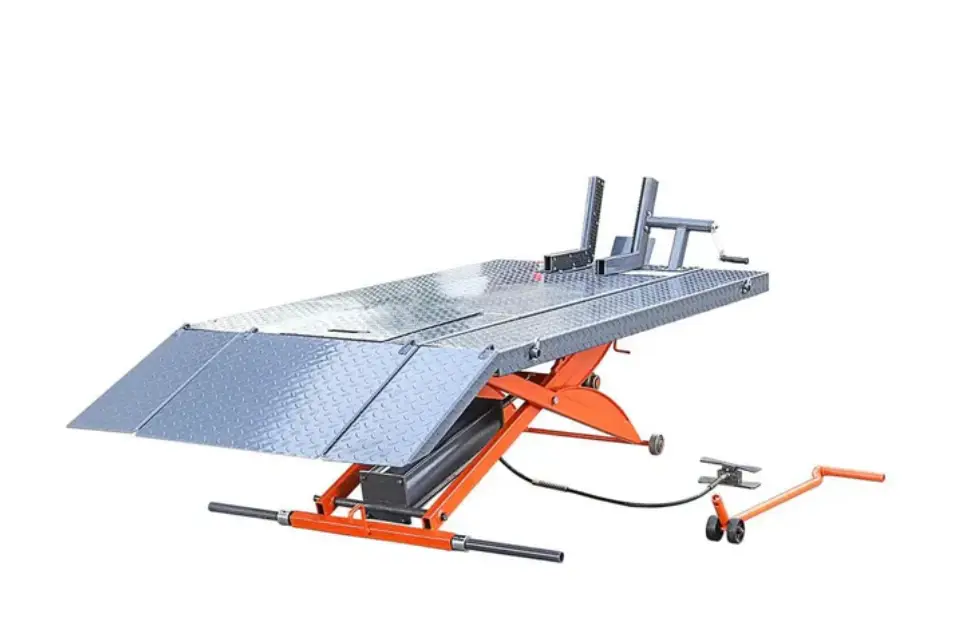
In Australian industrial and logistics operations, the maintenance, repair, and organization of small vehicles and utility equipment represent ongoing operational needs. Facilities require lifting solutions that offer mobility, stability, and safety without permanent installation. A properly specified Portable motorcycle and ATV scissor lifts supports efficient maintenance, reduces physical strain, and improves workplace safety. This article examines core functions, performance factors, safety standards, and best practices for portable lifting equipment in industrial settings.
Understanding Portable Motorcycle/ATV Scissor Lifts
A portable motorcycle and ATV scissor lift is a compact, pneumatically operated lifting platform designed to support maintenance of small vehicles and light equipment. The unit uses a scissor mechanism to provide controlled vertical lifting for service, repair, and inspection tasks.
Key industrial applications include:
· Maintenance of facility motorcycles, ATVs, and utility vehicles
· Repair and servicing of small logistics support equipment
· Temporary elevated work surfaces for light industrial tasks
· Mobile repair stations for field and remote operations
The portable design allows deployment where fixed lifting equipment is not practical.
Why Efficiency and Safety Matter in Industrial Lifting
Safe and controlled lifting directly supports operational continuity and workplace compliance. Improvised lifting methods create crush risks, equipment damage, and staff injuries. Unsafe practices lead to downtime, increased costs, and regulatory compliance issues.
Well-managed lifting operations deliver consistent results, reduce staff physical strain, lower equipment damage, and align with Australian workplace safety standards. Prioritizing these factors protects personnel and supports reliable daily operations.
Core Technical Specifications
Industrial portable scissor lifts are engineered for durability and controlled operation.
Key design features include:
· Rated lifting capacity to support targeted vehicles and equipment
· Pneumatic operation for smooth and controlled height adjustment
· Heavy-duty steel platform with anti-slip surface
· Multi-position safety locking systems for secure positioning
Matching equipment specifications to task requirements ensures reliable performance.
Factors Affecting Performance and Safety
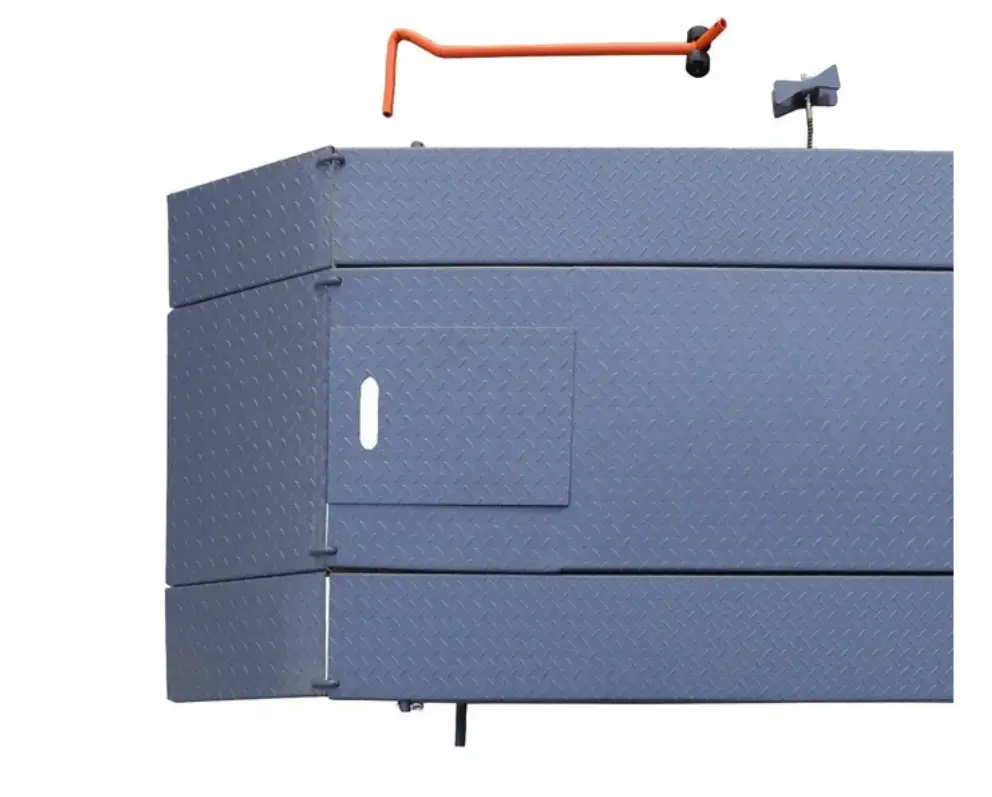
Several conditions influence the function and safety of portable lifting equipment.
· Ground stability: Level, firm surfaces prevent tipping and ensure even lifting.
· Load distribution: Centered weight placement maintains balance during lifting.
· Maintenance routine: Regular inspection preserves pneumatic and structural integrity.
· Operating environment: Clear, unobstructed spaces reduce collision and entanglement risks.
Addressing these factors improves performance and reduces operational hazards.
Safety Best Practices
Safe operation protects users and supports compliance with industrial safety requirements. Operators must inspect all components before use, position loads centrally and securely, engage safety locks at working height, keep limbs clear of moving parts, and operate only on stable, level surfaces.
Adherence to these practices reduces risks and supports responsible equipment use.
Advantages and Limitations
Advantages
· Portable design for flexible deployment across work zones
· Compact footprint for storage in limited warehouse spaces
· Controlled pneumatic operation for precise positioning
· Integrated safety features to support secure use
Limitations
· Requires compatible air supply for pneumatic operation
· Limited to specified weight capacity and vehicle types
· Dependent on regular inspection to maintain safe function
Understanding these characteristics supports informed procurement and deployment decisions.
Real-World Industrial Application
A regional logistics facility implemented a portable scissor lift for maintaining facility ATVs and support vehicles. The unit enabled safe, controlled lifting without dedicated workshop space. The stable platform and safety locks reduced injury risks during routine service tasks. Over six months, the facility reported improved maintenance efficiency, reduced equipment downtime, and enhanced compliance with internal safety protocols.
Conclusion and Industry Trends
TMG Industrial Portable motorcycle and ATV scissor lifts provide a practical, flexible solution for modern industrial and logistics facilities. Proper selection, operation, and maintenance deliver safe, consistent results and long-term value.
Industry trends include enhanced mobility features for improved maneuverability, reinforced structural components for extended durability, simplified control systems for reduced operator error, and integrated safety designs to meet stricter compliance standards.
As Australian industrial operations continue to prioritize flexibility and safety, portable lifting equipment will remain a valuable tool for responsible equipment maintenance.