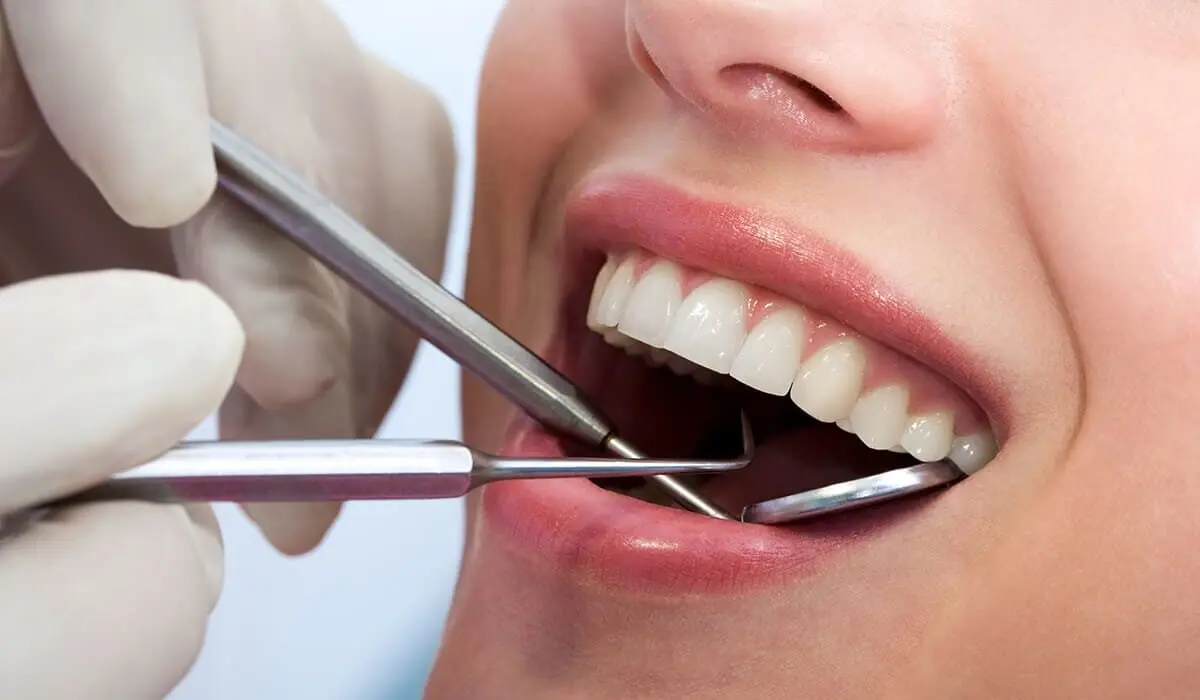
You might be feeling a little stuck right now. Maybe your gums bleed when you brush, or you keep getting small cavities even though you are “doing everything right.” Or perhaps you have not seen a Chelsea dentist in a while, and the thought of a big bill or bad news keeps you from making that call. It can feel easier to ignore your teeth and hope for the best.end
At the same time, you probably sense that ignoring things is not working. You want a simple, steady way to protect your mouth without constant emergencies or painful surprises. That is where preventive dentistry in general practice quietly changes everything. In plain terms, it is the part of general dentistry that focuses on stopping problems early, so you spend less time in the chair, less money on treatment, and far less energy worrying.
So where does that leave you? You do not need to become an expert in teeth. You only need a clear picture of why prevention matters so much, how it affects your health and your wallet, and what practical steps you can start today.
Why does it feel like dental problems appear “out of nowhere”?
Most people are surprised when a dentist points out several cavities or early gum disease. You might think, “But nothing hurt.” That is actually the problem. Tooth decay and gum disease are usually painless at first. They grow quietly, month after month, until they are big enough to cause pain or infection.
According to the Centers for Disease Control and Prevention, tooth decay is one of the most common chronic conditions, yet it is also one of the most preventable. When regular care is delayed, small issues have time to turn into root canals, extractions, and urgent visits. The stress is not just physical. There is emotional weight too. You may feel embarrassed about your teeth, anxious about what the dentist will say, or guilty for waiting.
On top of that, there is the financial pressure. A routine checkup and cleaning costs far less than a crown or an implant, but when life gets busy, preventive visits are often the first thing to slip. Then, when pain hits, you face higher bills and more complicated care. It can feel like you are always reacting instead of staying ahead.
So how do you break that cycle.
What makes preventive care the “cornerstone” of general dentistry?
A general dentist is trained to treat almost everything that happens in your mouth, yet the strongest tool they have is not a drill. It is prevention. Preventive dental care is the foundation that supports every other part of dentistry.
Here is why it matters so much.
First, prevention protects more than your smile. Research shared by the American Dental Association highlights the link between oral health and overall health, including conditions like heart disease and diabetes. You can read more about those connections through the ADA’s overview of oral and systemic health. When your gums are inflamed or infected, it does not just stay in your mouth. Your body carries that inflammation everywhere.
Second, prevention keeps treatment simple. A tiny cavity can often be treated quickly with a small filling. If that same cavity is ignored, it can reach the nerve, cause severe pain, and require a root canal or extraction. The same is true for gum disease. Mild gingivitis can often be reversed with cleanings and better home care. Advanced gum disease can lead to bone loss and loose teeth.
Third, prevention gives you control. Instead of waiting for the next emergency, you work with your general dentist on a steady plan. Regular checkups, professional cleanings, X-rays when needed, and tailored advice make your mouth more predictable. That predictability brings peace of mind.
So the real power of preventive dentistry is not just fewer cavities. It is fewer surprises, fewer panicked calls for same-day appointments, and fewer nights lying awake worrying about what might be brewing under the surface.
How does prevention compare to “wait and see” care?
It can help to see the difference between staying ahead of problems and waiting until something hurts. Think of these as two different paths you can take with your mouth.
| Approach | What It Looks Like | Short-Term Impact | Long-Term Impact |
| Preventive care with a general dentist | Regular cleanings, exams, X-rays as needed, fluoride, sealants for children, early treatment of small issues | Low discomfort. Predictable small costs. Better daily comfort and confidence when eating and smiling. | Fewer major procedures. Lower overall cost over the years. Stronger teeth and gums. Lower risk of tooth loss. |
| “Wait until it hurts” care | Irregular visits, often only when there is pain, swelling, or a broken tooth | Higher anxiety. Sudden urgent bills. More time off work or away from family when emergencies happen. | More root canals, extractions, and complex work. Greater chance of missing teeth and long-term health effects. |
The CDC’s overview of oral health programs and goals stresses that prevention is the most effective way to reduce both disease and cost. It is not about perfection. It is about steady, consistent steps that add up over time.
So, where do you start if you feel like you are already behind.
What practical steps can you take right now?
You do not need to overhaul your entire life to benefit from prevention. A few focused moves can shift you from “damage control” to protection.
1. Schedule a non-judgmental checkup and be honest
Even if it has been years, a general dentist would rather see you now than later. When you schedule, you can simply say, “It has been a long time. I am nervous, and I want to focus on prevention.” A good dental team understands that life happens. Their goal is to figure out where you are today and build a plan that fits your reality.
At that visit, ask for a clear summary. How are your gums. Where are the weak spots. What needs attention now, and what can be monitored. A short written plan can help you feel organized instead of overwhelmed.
2. Focus on a simple daily routine that you can actually maintain
You do not need fancy gadgets. What matters is consistency. Twice a day brushing with fluoride toothpaste for two minutes, daily flossing or use of interdental cleaners, and a quick rinse after sugary snacks can dramatically cut your risk of cavities and gum disease.
If you struggle to floss, talk to your dentist about alternatives like floss holders or small brushes. Prevention only works if it fits your life, so it is worth finding tools that feel realistic for you.
3. Plan financially for prevention like you would for other essentials
Many people think of dental visits as “optional” until there is pain. Try reframing them as routine maintenance, similar to changing the oil in a car. A small, predictable cost a couple of times a year can help you avoid large surprise bills later.
If you have insurance, learn what preventive services are covered at little or no cost. If you do not have insurance, ask the office about membership plans, discounts for regular cleanings, or payment options. A simple written estimate of suggested care can help you budget and avoid feeling blindsided.
Where do you go from here?
You do not need a perfect dental history to benefit from prevention. You only need to start where you are. Whether you are dealing with sensitive gums, frequent cavities, or simply a nagging worry about what might be hiding beneath old fillings, working with a general dentist on a preventive plan can ease that weight.
When you choose prevention as the foundation of your care, you are not just protecting teeth. You are protecting your comfort, your confidence, and, as growing research shows, your overall health.
So the next step is simple. Reach out to a trusted general dentist, schedule a checkup, and say openly that you want to focus on prevention. One visit will not fix everything overnight, but it can give you clarity, a plan, and the quiet relief of knowing you are finally moving in the right direction.