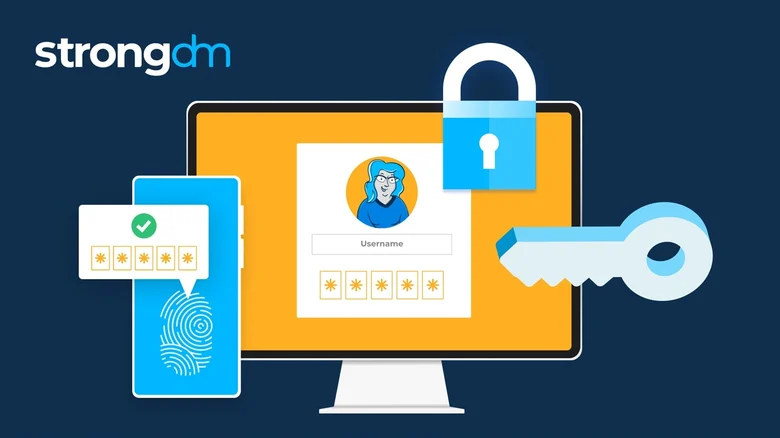
Authentication has moved far beyond passwords. Today, it is built into the devices we use, the apps we open, and the transactions we approve every single day. Biometric verification is one of the most visible parts of this shift, used by more than 1.4 billion people worldwide for smartphone access alone. But authentication technology shows up in places most people never think about. Banks, hospitals, airports, and retail platforms all depend on it to protect users and reduce fraud. Here are six places you are already using it, whether you know it or not.
- Biometric Unlocking on Smartphones
Every time you unlock your phone with your face or fingerprint, you are using biometric authentication. Apple’s Face ID maps your face using over 30,000 infrared dots projected onto your skin. Samsung’s fingerprint sensors read sub-dermal ridge patterns, not just surface texture. These are not convenience features. They are multi-factor authentication systems that replace a password with something you physically are. Over 80% of smartphone users in the U.S. now use biometrics as their primary unlock method.
- Multi-Factor Authentication in Banking Apps
Banks use multi-factor authentication because single-factor security fails too often. When you log into a banking app, you typically provide a password, a one-time code sent to your phone, and sometimes a fingerprint or face scan. This three-layer process is called MFA. The FBI reported in 2022 that MFA blocks over 99% of automated credential-stuffing attacks. That single statistic explains why every major bank now mandates it for online access.
- Biometric Gates at International Airports
Biometric gates at international airports compare a traveler’s live face to the photo stored in their passport chip in real time. The UK’s e-passport gates process a traveler in under 12 seconds. The U.S. CBP Biometric Exit program has matched over 500 million travelers since launching in 2017. These systems reduce queue times and make it significantly harder to travel using a forged or stolen identity document.
- Role-Based Authentication in Hospitals
Hospitals use role-based authentication to control who can access patient records. A nurse’s credentials open different parts of the system than a billing administrator’s. Many hospitals now use palm vein scanners for staff login, a technology that reads the unique vein pattern beneath the skin. This prevents unauthorized access to prescription data and patient histories, which are among the most targeted records in cyberattacks and sell for up to $1,000 each on the dark web.
- Biometric Payment Authentication in Online Shopping
When you pay with a fingerprint or face scan in a shopping app, you are completing a FIDO2-based payment authentication transaction. It replaces manually typing card numbers with a cryptographic key exchange that happens in milliseconds. Mastercard reported a 40% reduction in cart abandonment after introducing biometric payment authentication in its checkout flow. Friction goes down and security goes up at the same time, which is a combination most payment systems struggle to achieve.
- Zero-Trust Authentication in Corporate Networks
Enterprise networks use zero-trust authentication, which assumes no device or user should be trusted by default. Many organizations rely on established cybersecurity providers like Entrust to help manage identity verification, secure access controls, and authentication infrastructure across distributed work environments. Every login, every file access, and every internal data transfer requires proof of identity, even for employees already inside the corporate network. Companies using zero-trust architecture reported 50% fewer breach incidents in a 2023 IBM study. It is the model most large organizations are currently moving toward as remote and hybrid work becomes the permanent standard.