Why do dental implants fail?
Dental implants represent the dream tooth replacement for so many of us. They look, feel, and function like natural teeth, letting you smile confidently, chew your favorite foods without worry, and speak clearly. Unlike dentures or bridges that can slip or require special care, implants fuse with your jawbone to create a sturdy foundation that can last for decades.
Unfortunately, dental implant procedures are not a fail-proof solution for everybody. They sometimes loosen, become infected, or simply do not integrate properly with the bone, leading to removal and the need for additional procedures. These failures can be frustrating, costly, and emotionally draining after the initial investment of time and money. The good news? Most implant issues stem from preventable factors rather than bad luck. By understanding the real reasons behind failures and taking smart steps upfront, you can dramatically boost your chances of long-term success.
In this article, we will dive into what makes implants tick, explore the most common (and surprising) causes of failure, and share practical ways to stack the odds in your favor. We will also dedicate a full section to choosing the right specialist because the dentist you pick often makes the biggest difference between a thriving implant and one that fizzles out. Whether you are considering implants for the first time or troubleshooting issues with existing ones, this guide will leave you informed, empowered, and ready to take action with a smile. Let us get into it.
Understanding Dental Implants: The Marvel of Modern Dentistry
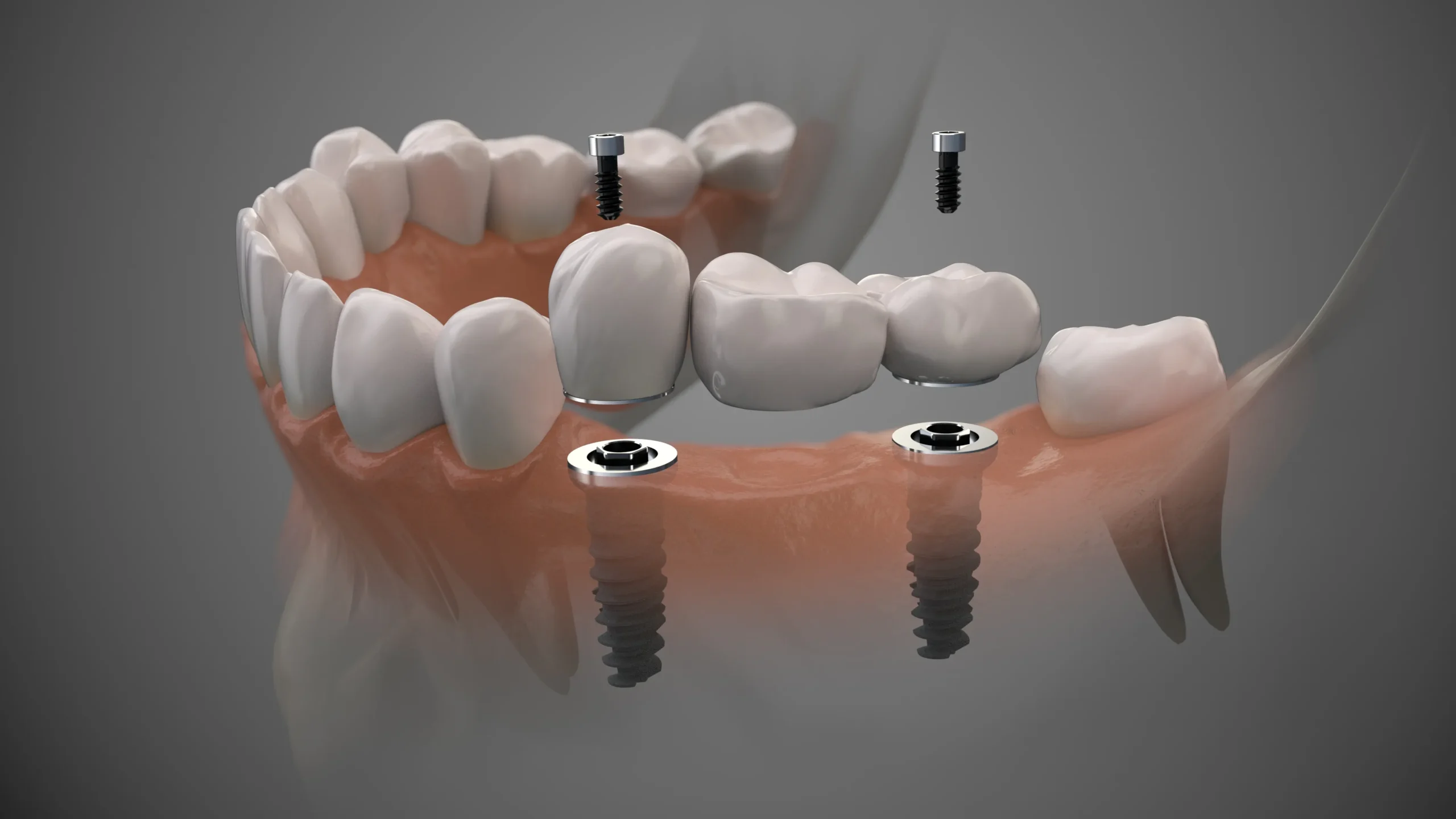
Dental implants are essentially titanium posts that act as artificial tooth roots. A skilled specialist surgically places them into your jawbone, where they undergo a process called osseointegration. Over several months, your bone cells grow around the implant, creating a rock-solid bond. Once healed, an abutment and crown attach to complete the restoration.
This technology has transformed restorative dentistry. Success rates hover between 95 and 98 percent in ideal conditions, with many implants lasting 15 to 25 years or longer when properly maintained. Patients often report life-changing improvements in confidence and quality of life.
Yet implants are not magic. They rely on a delicate balance of biology, mechanics, and expert execution. Your jawbone quality, overall health, oral hygiene habits, and the surgical precision all play starring roles. Think of an implant like a high-performance car. It needs quality parts, a skilled mechanic, and regular tune-ups to deliver years of smooth driving.
Key components of a successful implant system include:
- The implant fixture (titanium post)
- The abutment connector
- The prosthetic crown or bridge
- Healthy surrounding bone and gum tissue
When everything aligns, you get a seamless replacement that feels completely natural. When it does not, problems arise. Early failures often happen within the first few months before full integration. Late failures can occur years later due to ongoing issues like infection or overload.
The encouraging part is that knowledge empowers prevention. Most patients who experience complications could have avoided them with better planning, healthier habits, or a more experienced provider. That is exactly what we will unpack next.
Early vs. Late Failures: Timing Tells a Story
Dental implant failures fall into two main categories based on when they occur. Understanding the difference helps clarify why things go wrong and how to address them.
Early failures typically happen within the first three to six months after placement. These usually relate to problems with initial healing and osseointegration. The implant never properly bonds with the bone, becoming loose or painful. Common triggers include infection at the surgical site, poor bone quality, excessive movement during healing, or surgical trauma like overheating the bone during drilling.
Patients might notice swelling that does not subside, persistent pain, or the implant feeling wobbly. In these cases, why dental implants fail is because the body treats the implant like a foreign object that does not belong, leading to fibrous tissue formation instead of strong bone attachment.
Late failures occur after the implant has successfully integrated, sometimes even years down the road. These often stem from peri-implantitis, an inflammatory condition similar to advanced gum disease. Bacteria build up around the implant, causing gum inflammation, bone loss, and eventual loosening. Other culprits include bite overload from grinding or clenching, poorly designed restorations, or ongoing health issues like uncontrolled diabetes.
The symptoms of late failure can sneak up gradually: bleeding gums around the implant, deepening pockets, bad breath, or discomfort while chewing. Because implants lack the periodontal ligament that natural teeth have, they do not always send clear pain signals early on, making regular check-ups crucial.
Why does this distinction matter?
- Early issues often point to surgical or healing-phase problems that a highly skilled specialist can minimize.
- Late issues frequently tie back to patient maintenance and long-term care.
Recognizing the timeline helps you and your dentist respond quickly. Many early problems can be salvaged with prompt intervention, while late ones require more aggressive treatment but are still manageable if caught soon. The real key, though, lies in prevention, which starts long before the surgery date.
The Real Reasons Why Dental Implants Fail: Beyond the Surface
While many assume implant failure is purely random or due to weak bones, the reality involves a mix of biological, mechanical, and human factors. The most common thread is a breakdown in the delicate balance needed for long-term stability.
- Peri-implantitis tops the list for late failures. This progressive infection mirrors periodontitis but attacks tissues around the implant. Plaque and bacteria accumulate, triggering inflammation that destroys supporting bone. Risk factors include poor oral hygiene, history of gum disease, smoking, and excess cement left from crown placement.
- Failed osseointegration remains a leading early culprit. The implant simply does not fuse with the jawbone. This can result from insufficient bone volume or density, systemic conditions like osteoporosis or diabetes, certain medications (such as bisphosphonates), smoking, or surgical errors like overheating bone during placement.
- Overloading or occlusal trauma occurs when too much force hits the implant too soon or unevenly. Grinding teeth (bruxism), misaligned bites, or restorations that do not fit the opposing teeth properly can cause micro-movements that break down integration over time.
Other notable contributors why dental implants fail include:
- Inadequate treatment planning: Rushing into implants without proper imaging, bone assessment, or considering overall oral health.
- Surgical technique issues: Poor implant positioning, contamination, or lack of sterile conditions.
- Patient lifestyle factors: Smoking restricts blood flow and impairs healing dramatically. Uncontrolled diabetes affects immune response and bone metabolism.
- Material or design problems: Though rare with modern implants, subpar components or improper sizing can contribute.
The witty truth here is that implants do not fail because they suddenly decide to rebel. Why dental implants fail is when the supporting cast (bone, gums, habits, and expertise) lets them down. The exciting flip side? Addressing these factors proactively turns the odds heavily in your favor.
Patient Factors That Influence Success
Your body is the stage where the implant drama plays out, so understanding personal risk factors empowers better decisions. Age alone does not doom implants. Many seniors enjoy decades of success. However, certain conditions require extra attention.
- Smoking stands out as one of the biggest modifiable risks. It constricts blood vessels, reduces oxygen to healing tissues, and promotes inflammation. Studies show smokers face nearly double the failure rate. Quitting, even temporarily around surgery, makes a measurable difference.
- Uncontrolled diabetes impairs wound healing and increases infection risk. Patients who maintain stable blood sugar levels fare much better. Similarly, autoimmune conditions, osteoporosis medications, and radiation therapy to the head/neck area need thorough discussion with both your physician and dentist.
- Bone quality and quantity matter tremendously. After tooth loss, jawbone naturally resorbs over time. Areas with thin or soft bone (common in the upper jaw) may need grafting first. A skilled specialist evaluates this through 3D imaging like CBCT scans rather than guessing.
- Oral hygiene habits separate long-term winners from those facing complications. Implants require diligent care because they can attract plaque just like natural teeth, but without the same warning signs.
Actionable patient checklist before implants:
- Get a full medical clearance if you have systemic conditions.
- Commit to quitting smoking at least several weeks before and after surgery.
- Undergo periodontal therapy if you have active gum disease.
- Discuss bruxism and consider a night guard.
- Prepare for lifestyle adjustments during the healing phase.
The upbeat news is that motivated patients who partner with excellent providers achieve outstanding outcomes even with some risk factors. Your attitude and follow-through count as much as biology.
The Critical Role of Surgical Expertise and Planning
Why dental implants fail trace back to the planning and execution phase. This is where the real reason often hides in plain sight: not all providers have equal skill or resources.
Experienced specialists use advanced planning tools like digital smile design, surgical guides, and precise 3D imaging to position implants ideally. They know how to avoid nerves, sinuses, and areas of poor bone. They understand when bone grafting or sinus lifts are necessary rather than forcing a compromised placement.
Poorly positioned implants create leverage issues that lead to overload and bone loss. Overheated bone during drilling kills cells needed for integration. Inadequate sterility or rushed procedures invite infection.
Prosthetic planning matters too. The crown or bridge must distribute forces correctly and allow proper cleaning. Overcontoured restorations trap plaque, while under-engineered ones fracture or loosen.
Fortunately, modern techniques, materials, and technology have pushed success rates higher than ever. Yet these benefits only materialize when the provider knows how to use them effectively. Choosing based on price alone or convenience often backfires. Investing in expertise upfront saves heartache and money long-term.
How to Choose a Specialist Who Minimizes Failure Risks
This section is crucial because your choice of provider can prevent the majority of common reasons why dental implants fail. Not every dentist who offers implants has the same training or track record. Here is how to find one who sets you up for success.
First, look for specialized credentials. Ideal candidates include board-certified oral surgeons, periodontists, or prosthodontists with advanced implant training. Ask about their specific education in implantology beyond general dental school. Membership in organizations like the American Academy of Implant Dentistry or International Congress of Oral Implantologists signals commitment to excellence.
Experience counts enormously. So next, inquire how many implants they have placed and their success rates. Providers who have completed hundreds or thousands of cases handle complexities better. Studies suggest less experienced practitioners have significantly higher failure rates.
Questions to ask during consultation:
- What is your training and how many implant procedures have you performed?
- What is your personal success rate, and how do you track it?
- Do you use 3D imaging and surgical guides?
- How do you handle potential complications like low bone density?
- Can I see before-and-after photos of similar cases?
- Who will manage my aftercare and maintenance?
Evaluate the technology and facility. Modern practices offer cone-beam CT scans, same-day planning software, and sterile surgical suites. They should discuss bone quality openly and propose solutions like grafting when needed rather than promising quick fixes.
Communication and patient comfort reveal a lot. A great specialist explains risks honestly, answers questions thoroughly, and creates a customized plan. They coordinate with your general dentist or other specialists seamlessly.
Check reviews specifically mentioning implants. Look for patterns in feedback about outcomes, follow-up care, and handling issues. Red flags include pressure to proceed quickly without comprehensive diagnostics or unusually low pricing that seems too good to be true.
Finally, trust your gut. You should feel confident and respected. A quality provider views implants as a long-term partnership, not a one-and-done transaction. They emphasize maintenance protocols and are transparent about realistic expectations.
Prevention Strategies: Your Role in Long-Term Success
Even with the best specialist, your daily actions determine whether an implant thrives for decades. Prevention beats treatment every time.
Maintain impeccable oral hygiene. Brush twice daily with a soft toothbrush, paying special attention to the gumline around implants. Use floss or water flossers daily to remove plaque from hard-to-reach areas. Antimicrobial rinses can provide extra protection.
Attend professional cleanings every three to six months. Specialists can detect early signs of peri-implant mucositis (reversible inflammation) before it progresses to full peri-implantitis. Professional maintenance removes buildup that home care might miss.
Protect against mechanical stress. Teeth grinding is one of the reasons why dental implants fail,so wear a custom night guard religiously. Also avoid chewing ice, hard candies, or using teeth as tools. Address any bite imbalances promptly.
Lifestyle choices matter. Eat a nutrient-rich diet supporting bone health with adequate calcium, vitamin D, and protein. Stay hydrated and avoid excessive alcohol. Manage systemic conditions diligently.
Monitor for warning signs: bleeding, swelling, pus, bad taste, or loosening. Contact your dentist immediately rather than waiting it out. Early intervention often saves the implant.
Maintenance schedule for implant patients:
- Daily home care routine (brushing, flossing, rinsing)
- Professional cleanings 2-4 times per year
- Annual or biannual x-rays to check bone levels
- Night guard if bruxism is present
- Regular medical check-ups for conditions like diabetes
Think of your implants like prized investments. A little consistent effort yields massive returns in function and confidence. Most patients who follow these steps enjoy their implants for 20 years or more without major issues
Real-World Success Stories and Final Thoughts
Countless patients overcome initial concerns or even past failures to enjoy beautiful, functional smiles. One common theme among success stories is partnership. They chose skilled specialists, prepared their health optimally, and committed to lifelong care.
Modern implant dentistry offers solutions for even challenging cases through bone regeneration, advanced materials, and refined techniques. The field continues evolving, with better predictability every year.
The real reason why dental implants fail usually comes down to preventable mismatches in planning, execution, biology, or maintenance. By educating yourself and selecting the right team, you join the vast majority who experience life-changing results.
If you are considering dental implants, schedule consultations with a few qualified specialists. Ask tough questions. Understand the process fully. Your future smile, ability to enjoy meals, and self-confidence are worth the effort.
Here is to healthy, happy implants and the brilliant grins they support. Your journey to a restored smile starts with informed choices today. Take that first step. You have got this.
Conclusion
Dental implants can be transformative when approached thoughtfully. The dream of natural-looking, functional teeth is achievable for most people through understanding why dental implants fail, choosing excellence in care, and committing to prevention. Do not settle for anything less than a specialist who prioritizes your long-term success. Your smile deserves it.