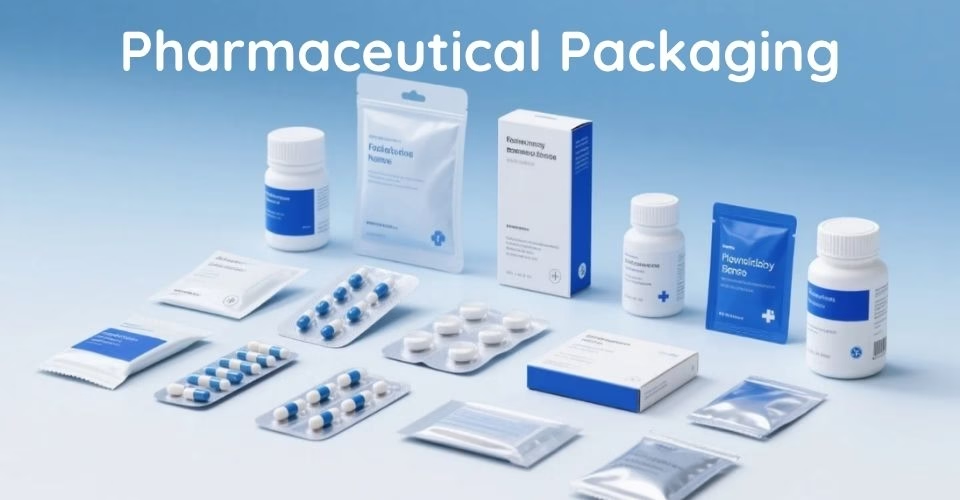
Pharmaceutical packaging is far more than a container for pills or liquids. It plays a direct role in protecting drug quality, ensuring patient safety, supporting regulatory compliance, and maintaining public trust in healthcare systems. As medicines become more advanced and global distribution grows more complex, packaging has evolved into a critical part of the pharmaceutical value chain.
This article explores what pharmaceutical packaging is, why it matters, the main packaging types, regulatory expectations, and current industry trends.
What Is Pharmaceutical Packaging?
Pharmaceutical packaging refers to the materials and systems used to enclose, protect, identify, and deliver medicinal products from the manufacturer to the patient. It includes everything from blister packs and bottles to cartons, labels, and tamper-evident seals.
Packaging is generally divided into three levels:
- Primary packaging: The material that comes into direct contact with the drug, such as blister packs, vials, syringes, or bottles.
- Secondary packaging: Outer layers that provide additional protection and information, including cartons and printed inserts.
- Tertiary packaging: Bulk packaging used for storage and transportation, such as pallets and shipping boxes.
Each level serves a distinct purpose but must work together to preserve product integrity throughout its lifecycle.
Why Pharmaceutical Packaging Is So Important
Pharmaceutical packaging affects nearly every stage of a drug’s journey, from production to patient use.
Product protection is the most obvious function. Medicines are often sensitive to light, moisture, oxygen, and temperature changes. Poor packaging can degrade active ingredients, reduce effectiveness, or even make a drug unsafe.
Patient safety is equally critical. Clear labeling, dosage instructions, child-resistant features, and tamper-evident designs help prevent misuse, overdosing, and contamination.
Regulatory compliance is another major factor. Packaging must meet strict guidelines set by health authorities, ensuring traceability, authenticity, and quality control across global markets.
Finally, brand trust plays a role. Well-designed packaging communicates professionalism, reliability, and care, which are essential in healthcare where consumer confidence matters deeply.
Common Types of Pharmaceutical Packaging
Different dosage forms require different packaging solutions. Below are some of the most widely used options in the pharmaceutical industry.
Blister Packaging
Blister packs are commonly used for tablets and capsules. They provide excellent protection against moisture and contamination while allowing patients to track dosage easily. Each dose is individually sealed, reducing the risk of exposure once opened.
Bottles and Containers
Plastic and glass bottles are widely used for solid and liquid medications. They are often paired with child-resistant caps and induction seals to enhance safety and tamper resistance.
Vials and Ampoules
Injectable drugs are typically packaged in glass vials or ampoules. These materials offer strong chemical resistance and maintain sterility when properly sealed.
Sachets and Pouches
Single-dose sachets are popular for powders and granules. They are lightweight, portable, and reduce dosing errors by providing pre-measured quantities.
Regulatory Standards and Compliance
Pharmaceutical packaging must comply with strict regulations to ensure patient safety and product authenticity. While specific requirements vary by region, most regulatory frameworks focus on similar core principles.
Packaging materials must be non-reactive, meaning they do not interact chemically with the drug. Labels must include accurate information such as drug name, strength, batch number, expiration date, and usage instructions.
Many markets also require serialization and traceability, allowing each package to be tracked through the supply chain. This helps combat counterfeit drugs, which remain a serious global health concern.
Manufacturers often work closely with specialized packaging solution providers to ensure compliance and efficiency. Companies like ruidapacking.com support pharmaceutical producers by offering packaging systems designed to meet industry standards while maintaining operational reliability.
Sustainability in Pharmaceutical Packaging
Sustainability has become a growing focus in the pharmaceutical sector. Traditional packaging materials, particularly plastics, raise environmental concerns due to waste and limited recyclability.
In response, manufacturers are exploring:
- Reduced material usage through lightweight designs
- Recyclable or bio-based materials
- Optimized packaging sizes to minimize waste
- Energy-efficient packaging processes
While sustainability initiatives must never compromise drug safety, innovation is helping balance environmental responsibility with strict pharmaceutical requirements.
Technology and Innovation in Packaging
Advancements in technology are reshaping pharmaceutical packaging in meaningful ways.
Smart packaging solutions now include QR codes, RFID tags, and digital authentication features. These tools improve traceability, help prevent counterfeiting, and allow patients to access digital instructions or reminders.
Automation is also transforming packaging lines. Automated blistering, bottling, and cartoning systems increase speed, accuracy, and consistency, reducing human error and production costs.
As medications become more personalized and global distribution expands, flexible and scalable packaging systems are becoming essential.
Choosing the Right Packaging Approach
Selecting the right pharmaceutical packaging solution depends on several factors, including the drug formulation, target market, regulatory environment, and production scale. Companies must balance protection, compliance, efficiency, and cost while keeping patient experience in mind.
Working with experienced packaging solution providers can help pharmaceutical manufacturers navigate these challenges and adapt to evolving industry demands.
Final Thoughts
Pharmaceutical packaging is a vital part of modern healthcare. It protects medicines, safeguards patients, supports regulatory compliance, and reinforces trust in pharmaceutical brands. As the industry continues to evolve, packaging will play an even more strategic role, driven by innovation, sustainability, and patient-centric design.
Investing in high-quality, compliant packaging is not just a technical requirement. It is a commitment to safety, reliability, and the people who depend on these medicines every day.
Technology Perspective
Technology continues to transform industries through artificial intelligence, cloud computing, automation, cybersecurity, digital platforms, and data-driven decision making. As organizations increasingly adopt digital solutions, understanding emerging technologies becomes essential for businesses, professionals, and consumers. DGM News regularly covers these developments through expert analysis, technology news, and educational resources.
Innovation Outlook
Rapid advances in artificial intelligence, automation, machine learning, cloud infrastructure, and digital transformation continue reshaping global industries. Monitoring these developments helps organizations adapt to changing technologies, improve efficiency, and prepare for future innovation.
Did you know?
Artificial Intelligence is expected to influence nearly every major industry over the coming decade, from healthcare and finance to transportation, manufacturing, education, and entertainment.
AI, Machine Learning, Deep Learning and Generative AI Explained
Google AI Updates
About DGM News
DGM News is an independent digital publication delivering the latest Technology News, AI News, and FinTech News. We provide expert insights on startups, innovation, cybersecurity, software, business, gadgets, cloud computing, artificial intelligence, and emerging technologies. Our mission is to publish informative, accurate, and regularly updated content that helps readers stay informed in today's rapidly evolving digital landscape.
Since our editorial focus includes technology, artificial intelligence, and financial technology, we continuously expand our coverage as new innovations emerge.
Editorial Standards
Every article published on DGM News undergoes editorial review before publication. We prioritize factual accuracy, clarity, transparency, and reader value while following responsible digital publishing practices.
Research Methodology
Our editorial team researches publicly available information from official announcements, technical documentation, research publications, developer resources, reputable industry reports, and trusted public sources whenever applicable. Information is reviewed to improve clarity and accuracy before publication.
Fact-Checking Policy
We make reasonable efforts to verify factual information before publishing. Articles are reviewed for accuracy, consistency, and relevance. If significant developments occur after publication, content may be revised to reflect updated information.
Update Policy
Technology evolves rapidly. Articles may be reviewed and updated periodically to reflect software releases, AI developments, security advisories, regulatory updates, product launches, and other important industry changes.
Source Verification
Whenever possible, DGM News reviews information using official company announcements, technical documentation, research publications, government resources, publicly available reports, and reputable industry references before updating articles.
Editorial Independence
DGM News maintains editorial independence in all publishing decisions. Editorial content is produced independently and is intended to provide balanced, informative, and reader-focused coverage without influence from advertisers or commercial partnerships.
AI Usage Disclosure
Artificial intelligence tools may assist with research organization, grammar improvement, formatting, or editorial workflows. Every article is reviewed by human editors before publication to help maintain quality, clarity, and factual accuracy.
Corrections Policy
Accuracy is important to us. If readers identify outdated information or factual inaccuracies, they are encouraged to contact our editorial team. Verified corrections are reviewed and incorporated whenever appropriate.
Reader Feedback
Reader feedback helps improve our journalism. We welcome suggestions, corrections, and constructive feedback through our Contact page to continuously improve the quality of our reporting.
Last Editorial Review
This article follows the DGM News editorial review process and may be updated periodically as new information becomes available.
Why Trust DGM News?
DGM News is committed to publishing technology journalism that emphasizes accuracy, transparency, editorial independence, and regularly updated information. Our editorial process is designed to provide readers with reliable coverage of technology, AI, fintech, startups, and digital innovation.
DGM News Resources
Topics We Cover
Artificial Intelligence • AI Tools • Machine Learning • FinTech • Cybersecurity • Cloud Computing • Programming • Software Development • Gadgets • Mobile Technology • Business Technology • Startups • Digital Marketing • Blockchain • Cryptocurrency • Science • Innovation • Consumer Technology • Enterprise Technology • Automation