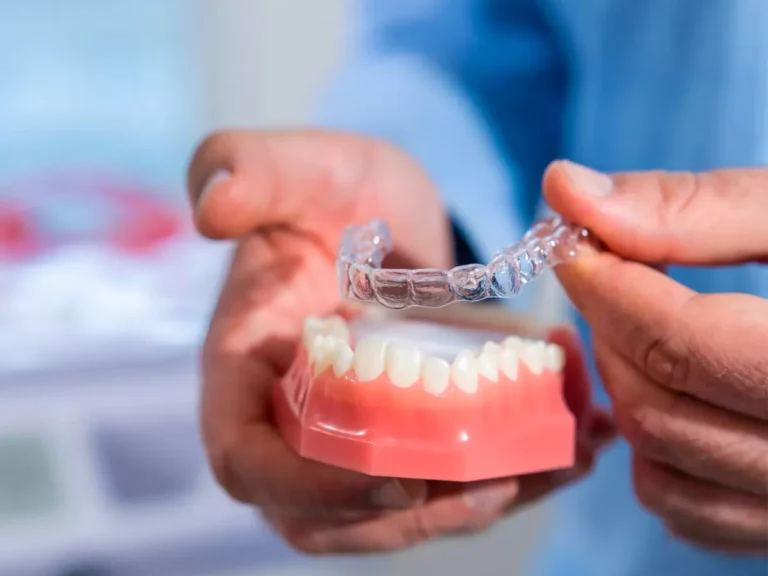
Certifying medical devices is a critical step in bringing life-saving technologies to market. Whether you’re an entrepreneur developing a new health gadget or a seasoned manufacturer expanding your product line, understanding the intricacies of medical device certification is essential. This blog post will guide you through the six most important things you need to know about certifying medical devices, demystifying the process, and providing valuable insights to help you succeed.
The Importance of Medical Device Certification
Medical device certification isn’t just a legal requirement; it’s a commitment to safety and quality. Regulatory bodies worldwide ensure that medical devices meet stringent standards before they reach the market. These standards protect patients, healthcare providers, and manufacturers from potential risks and liabilities. By certifying your medical device, you demonstrate your dedication to high-quality standards and gain the trust of your customers and stakeholders. You want your medical device to be seen at the top with the others, which is why focusing on a easy to handle design and high quality components is essential. Speaking with a top pcb connector supplier for instance, as well as medical device security companies, will help you reach the level you want whilst helping as many people as possible.
Understanding Regulatory Bodies
Different countries have their own regulatory bodies that oversee the certification of medical devices. In the United States, the Food and Drug Administration (FDA) plays a pivotal role, while in Europe, the European Medicines Agency (EMA) and individual country-specific agencies are responsible. Understanding the specific requirements of these regulatory bodies is crucial for a smooth certification process. Additionally, working with experts like PolarSeal, you will have help and guidance through the entire certification process. Ensure you’re familiar with the regulations applicable to your target markets.
- Classifying Medical Devices
Medical devices are classified into different categories based on their intended use and potential risk to patients. These classifications determine the level of scrutiny and testing required for certification. In the U.S., devices are categorized into Class I, II, and III, with Class III being the most stringent. Knowing the classification of your device will help you prepare for the appropriate certification pathway and avoid unnecessary delays.
- Preparing for Preclinical and Clinical Testing
Before a medical device can be certified, it must undergo rigorous preclinical and clinical testing. Preclinical tests involve laboratory experiments and animal studies to assess the device’s safety and performance. Clinical trials, on the other hand, involve testing the device on humans to gather real-world data. These tests are crucial for demonstrating the device’s efficacy and safety, and they form the backbone of your certification application.
- FDA Certification
The FDA certification process is often seen as the gold standard in medical device regulation. To obtain FDA certification, manufacturers must submit a premarket notification (510(k)) or a premarket approval (PMA) application, depending on the device’s classification. This documentation is meticulously reviewed by the FDA to ensure compliance with regulatory standards.
- Navigating ISO Standards
The International Organization for Standardization (ISO) sets global standards for medical devices. ISO 13485, in particular, specifies the requirements for a quality management system that demonstrates a manufacturer’s ability to produce safe and effective medical devices. Achieving ISO 13485 certification not only facilitates regulatory approval but also enhances your credibility in the global market. Implementing ISO standards in your manufacturing processes is a proactive step towards successful certification.
- Post-Market Surveillance and Compliance
Certification is not a one-time event; it requires ongoing vigilance. Regulatory bodies mandate post-market surveillance to monitor the performance of medical devices once they are in use. This involves collecting and analyzing data on adverse events, conducting periodic audits, and ensuring continued compliance with regulatory standards. Establishing a robust post-market surveillance system is essential for maintaining your device’s certification and safeguarding patient safety.
- The Role of Notified Bodies
In Europe, notified bodies play a crucial role in the certification process. These independent organizations assess the conformity of medical devices with European regulations. They conduct audits, review technical documentation, and issue CE certificates, allowing devices to be marketed in the European Economic Area. Choosing a reputable notified body with experience in your device’s category is vital for a successful certification outcome.
Common Challenges and How to Overcome Them
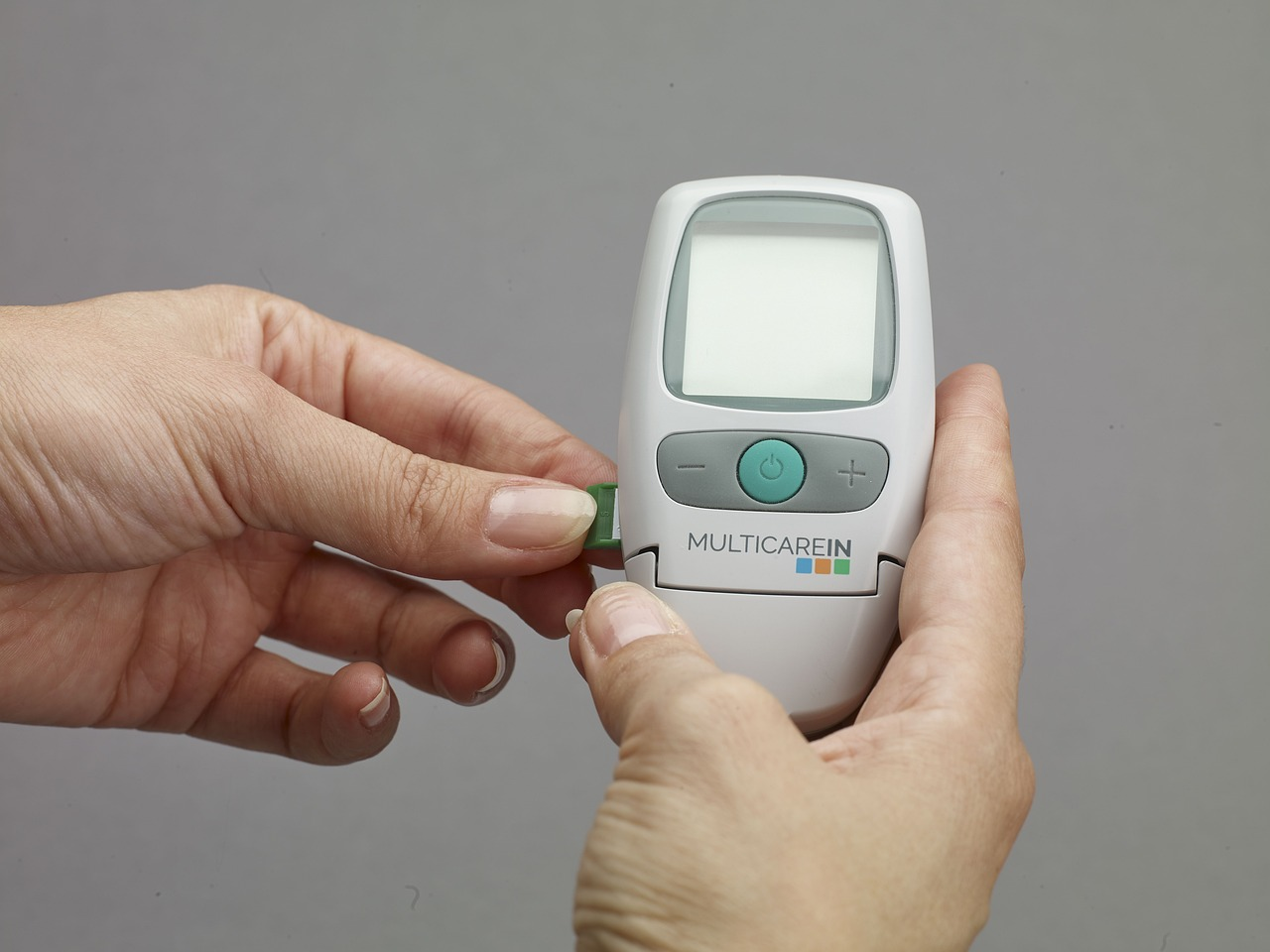
Certifying medical devices can be a complex and challenging process with various hurdles to navigate. One of the frequent pitfalls is incomplete documentation, which can lead to significant delays or even rejections. To mitigate this, it’s essential to maintain thorough and accurate records from the outset, encompassing test results, design specifications, and manufacturing details. Inadequate testing is another major challenge; ensuring that both preclinical and clinical tests are comprehensive and properly conducted is crucial for demonstrating efficacy and safety. Misclassification of devices can also create problems, as it might require unexpected changes in the certification pathway. To overcome these issues, invest in thorough research and development planning. Engaging expert guidance, either through internal compliance teams or external consultants, can be invaluable. These professionals provide insights that help navigate regulatory requirements effectively.
Certifying medical devices is a multifaceted process that requires careful planning, thorough testing, and meticulous documentation. By understanding the importance of certification, familiarizing yourself with regulatory bodies, and preparing for each step of the process, you can successfully bring your medical device to market. Remember, certification is not just a legal requirement—it’s a testament to your commitment to safety and quality.
Technology Perspective
Technology continues to transform industries through artificial intelligence, cloud computing, automation, cybersecurity, digital platforms, and data-driven decision making. As organizations increasingly adopt digital solutions, understanding emerging technologies becomes essential for businesses, professionals, and consumers. DGM News regularly covers these developments through expert analysis, technology news, and educational resources.
Innovation Outlook
Rapid advances in artificial intelligence, automation, machine learning, cloud infrastructure, and digital transformation continue reshaping global industries. Monitoring these developments helps organizations adapt to changing technologies, improve efficiency, and prepare for future innovation.
Did you know?
Artificial Intelligence is expected to influence nearly every major industry over the coming decade, from healthcare and finance to transportation, manufacturing, education, and entertainment.
AI, Machine Learning, Deep Learning and Generative AI Explained
Google AI Updates
About DGM News
DGM News is an independent digital publication delivering the latest Technology News, AI News, and FinTech News. We provide expert insights on startups, innovation, cybersecurity, software, business, gadgets, cloud computing, artificial intelligence, and emerging technologies. Our mission is to publish informative, accurate, and regularly updated content that helps readers stay informed in today's rapidly evolving digital landscape.
Since our editorial focus includes technology, artificial intelligence, and financial technology, we continuously expand our coverage as new innovations emerge.
Editorial Standards
Every article published on DGM News undergoes editorial review before publication. We prioritize factual accuracy, clarity, transparency, and reader value while following responsible digital publishing practices.
Research Methodology
Our editorial team researches publicly available information from official announcements, technical documentation, research publications, developer resources, reputable industry reports, and trusted public sources whenever applicable. Information is reviewed to improve clarity and accuracy before publication.
Fact-Checking Policy
We make reasonable efforts to verify factual information before publishing. Articles are reviewed for accuracy, consistency, and relevance. If significant developments occur after publication, content may be revised to reflect updated information.
Update Policy
Technology evolves rapidly. Articles may be reviewed and updated periodically to reflect software releases, AI developments, security advisories, regulatory updates, product launches, and other important industry changes.
Source Verification
Whenever possible, DGM News reviews information using official company announcements, technical documentation, research publications, government resources, publicly available reports, and reputable industry references before updating articles.
Editorial Independence
DGM News maintains editorial independence in all publishing decisions. Editorial content is produced independently and is intended to provide balanced, informative, and reader-focused coverage without influence from advertisers or commercial partnerships.
AI Usage Disclosure
Artificial intelligence tools may assist with research organization, grammar improvement, formatting, or editorial workflows. Every article is reviewed by human editors before publication to help maintain quality, clarity, and factual accuracy.
Corrections Policy
Accuracy is important to us. If readers identify outdated information or factual inaccuracies, they are encouraged to contact our editorial team. Verified corrections are reviewed and incorporated whenever appropriate.
Reader Feedback
Reader feedback helps improve our journalism. We welcome suggestions, corrections, and constructive feedback through our Contact page to continuously improve the quality of our reporting.
Last Editorial Review
This article follows the DGM News editorial review process and may be updated periodically as new information becomes available.
Why Trust DGM News?
DGM News is committed to publishing technology journalism that emphasizes accuracy, transparency, editorial independence, and regularly updated information. Our editorial process is designed to provide readers with reliable coverage of technology, AI, fintech, startups, and digital innovation.
DGM News Resources
Topics We Cover
Artificial Intelligence • AI Tools • Machine Learning • FinTech • Cybersecurity • Cloud Computing • Programming • Software Development • Gadgets • Mobile Technology • Business Technology • Startups • Digital Marketing • Blockchain • Cryptocurrency • Science • Innovation • Consumer Technology • Enterprise Technology • Automation