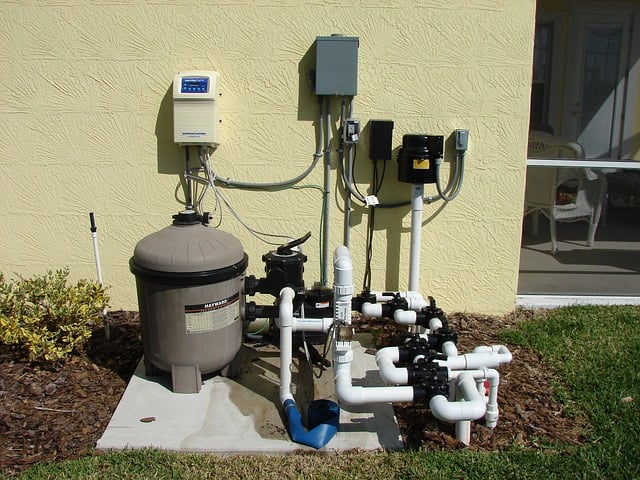
In various industrial processes, pumps are vital for maintaining operations, notes compass101.com. However, ensuring maximum efficiency from these engineered pump solutions can lead to significant savings in both energy and cost. Pump efficiency directly influences the overall performance of an industrial system, making it essential to implement strategies that optimize the functionality of the pumps. Here are six practical tips to help you maximize the efficiency of your pump systems and extend their lifespan.
Select the Right Pump for Your Application
The first step toward maximizing efficiency is selecting the right pump for your specific application. Different industries and operations require different types of pumps, each suited to handling various fluids, temperatures, and flow rates. For instance, centrifugal pumps are typically suited for low-viscosity fluids like water, while positive displacement pumps work better for high-viscosity liquids or situations that require precise flow control. By consulting with a global pump supplier, you can explore a wide range of pump types designed for your specific needs. These suppliers often have experience across different industries, providing the right solutions to improve both efficiency and performance.
Ensure Proper Installation
Even the most advanced pump won’t perform efficiently if it isn’t installed correctly. Installation issues, such as misalignment of piping or inadequate support for the pump, can cause vibration, excessive wear, and reduced efficiency. Ensuring the pump is installed according to the manufacturer’s specifications is crucial to prevent strain on the system. Proper installation reduces energy consumption, lowers the risk of damage, and ensures the pump operates at its full potential. Regular checks after installation can also help ensure that everything remains in proper alignment and that no external factors are affecting performance.
Perform Regular Maintenance
Routine maintenance is key to keeping pumps running efficiently. Scheduled maintenance can prevent minor issues from becoming larger, costly problems. This can involve replacing worn-out seals, bearings, or impellers before they cause a breakdown. Regular maintenance not only extends the lifespan of your pump but also maintains its efficiency by ensuring that all parts are functioning properly. In some cases, preventative maintenance can also identify hidden inefficiencies, allowing you to make adjustments to improve performance. Creating a regular maintenance schedule based on manufacturer recommendations will reduce the risk of unplanned downtime.
Use Variable Frequency Drives (VFDs)
Variable Frequency Drives (VFDs) are highly effective tools for controlling the speed of pump motors. By adjusting the motor’s speed to match the required flow rate, VFDs prevent the pump from running at full capacity when it isn’t necessary. This not only reduces energy consumption but also minimizes wear on the pump, extending its service life.
In many industrial settings, the demand for pumping power fluctuates throughout the day. A pump running at a constant speed regardless of demand can result in wasted energy and excess wear. VFDs allow for speed adjustments that can lead to substantial energy savings, especially in systems that experience varying flow demands.
Monitor and Analyze Pump Performance
Modern pump systems often come with integrated monitoring tools that track real-time performance data, such as flow rates, pressure levels, and energy consumption. Monitoring this data allows you to detect inefficiencies and make adjustments to improve performance. By regularly analyzing this information, you can optimize your pump system and prevent performance issues before they escalate into bigger problems.
For instance, a sudden pressure drop might indicate a clog or leak, while a steady increase in energy consumption could signal that the pump is working harder than it should. Early detection allows for quick adjustments, avoiding costly repairs and downtime.
Upgrade to Energy-Efficient Models
Sometimes, improving pump efficiency requires upgrading to a newer, more energy-efficient model. Pumps manufactured today are designed with more advanced features, including optimized impellers, self-priming capabilities, and reduced energy consumption. These models can significantly improve your system’s overall efficiency, particularly if you’re currently using older equipment.
Although upgrading may require an initial investment, the long-term benefits of reduced energy costs, improved performance, and fewer repairs make it a worthwhile option. Many modern pumps are also more environmentally friendly, helping companies meet sustainability goals while improving operational efficiency.
Improving the efficiency of your engineered pump systems can result in significant energy savings, reduced operating costs, and improved performance. Selecting the right pump, ensuring proper installation, performing regular maintenance, and integrating technologies like Variable Frequency Drives and real-time monitoring tools are key steps in optimizing your system. If your pumps are outdated, upgrading to modern, energy-efficient models can provide substantial long-term benefits.
By following these six tips, you can enhance the overall performance of your pump systems, reduce energy consumption, and extend the lifespan of your equipment, all while minimizing operational disruptions and maintenance costs.
Technology Perspective
Technology continues to transform industries through artificial intelligence, cloud computing, automation, cybersecurity, digital platforms, and data-driven decision making. As organizations increasingly adopt digital solutions, understanding emerging technologies becomes essential for businesses, professionals, and consumers. DGM News regularly covers these developments through expert analysis, technology news, and educational resources.
Innovation Outlook
Rapid advances in artificial intelligence, automation, machine learning, cloud infrastructure, and digital transformation continue reshaping global industries. Monitoring these developments helps organizations adapt to changing technologies, improve efficiency, and prepare for future innovation.
Did you know?
Artificial Intelligence is expected to influence nearly every major industry over the coming decade, from healthcare and finance to transportation, manufacturing, education, and entertainment.
AI, Machine Learning, Deep Learning and Generative AI Explained
Google AI Updates
About DGM News
DGM News is an independent digital publication delivering the latest Technology News, AI News, and FinTech News. We provide expert insights on startups, innovation, cybersecurity, software, business, gadgets, cloud computing, artificial intelligence, and emerging technologies. Our mission is to publish informative, accurate, and regularly updated content that helps readers stay informed in today's rapidly evolving digital landscape.
Since our editorial focus includes technology, artificial intelligence, and financial technology, we continuously expand our coverage as new innovations emerge.
Editorial Standards
Every article published on DGM News undergoes editorial review before publication. We prioritize factual accuracy, clarity, transparency, and reader value while following responsible digital publishing practices.
Research Methodology
Our editorial team researches publicly available information from official announcements, technical documentation, research publications, developer resources, reputable industry reports, and trusted public sources whenever applicable. Information is reviewed to improve clarity and accuracy before publication.
Fact-Checking Policy
We make reasonable efforts to verify factual information before publishing. Articles are reviewed for accuracy, consistency, and relevance. If significant developments occur after publication, content may be revised to reflect updated information.
Update Policy
Technology evolves rapidly. Articles may be reviewed and updated periodically to reflect software releases, AI developments, security advisories, regulatory updates, product launches, and other important industry changes.
Source Verification
Whenever possible, DGM News reviews information using official company announcements, technical documentation, research publications, government resources, publicly available reports, and reputable industry references before updating articles.
Editorial Independence
DGM News maintains editorial independence in all publishing decisions. Editorial content is produced independently and is intended to provide balanced, informative, and reader-focused coverage without influence from advertisers or commercial partnerships.
AI Usage Disclosure
Artificial intelligence tools may assist with research organization, grammar improvement, formatting, or editorial workflows. Every article is reviewed by human editors before publication to help maintain quality, clarity, and factual accuracy.
Corrections Policy
Accuracy is important to us. If readers identify outdated information or factual inaccuracies, they are encouraged to contact our editorial team. Verified corrections are reviewed and incorporated whenever appropriate.
Reader Feedback
Reader feedback helps improve our journalism. We welcome suggestions, corrections, and constructive feedback through our Contact page to continuously improve the quality of our reporting.
Last Editorial Review
This article follows the DGM News editorial review process and may be updated periodically as new information becomes available.
Why Trust DGM News?
DGM News is committed to publishing technology journalism that emphasizes accuracy, transparency, editorial independence, and regularly updated information. Our editorial process is designed to provide readers with reliable coverage of technology, AI, fintech, startups, and digital innovation.
DGM News Resources
Topics We Cover
Artificial Intelligence • AI Tools • Machine Learning • FinTech • Cybersecurity • Cloud Computing • Programming • Software Development • Gadgets • Mobile Technology • Business Technology • Startups • Digital Marketing • Blockchain • Cryptocurrency • Science • Innovation • Consumer Technology • Enterprise Technology • Automation