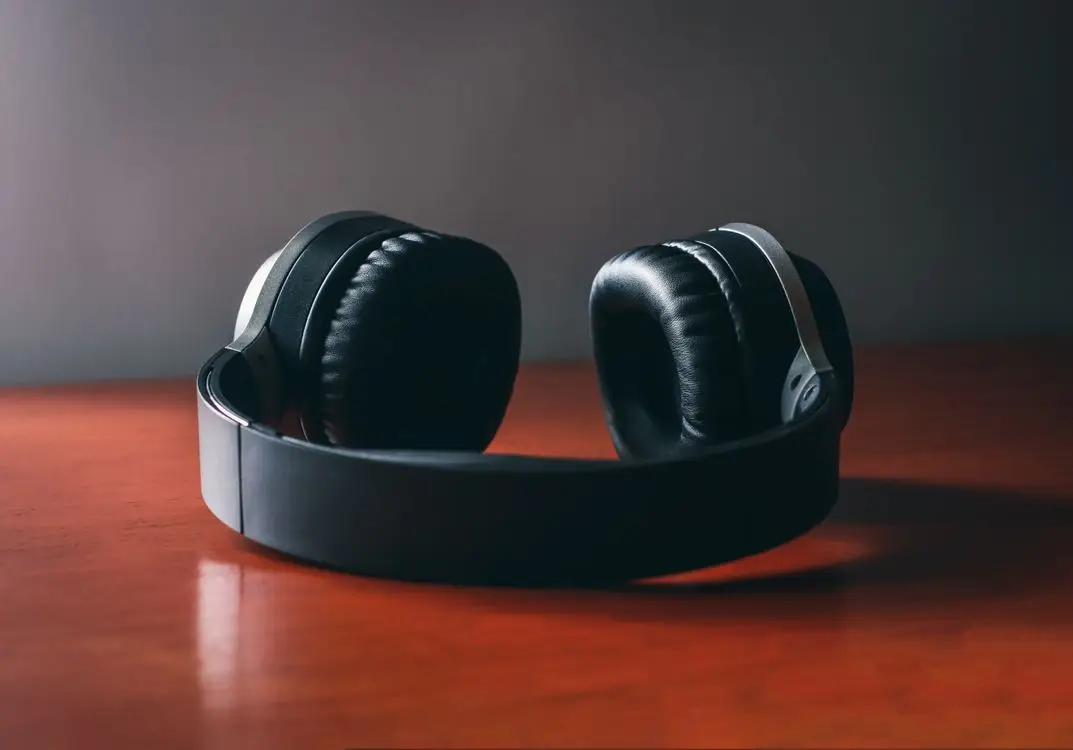
Earphones are small audio devices designed to sit inside or just outside the ear, used for listening to music, calls, podcasts, and other audio content. Their size makes them portable and suitable for daily movement, commuting, or work environments.
Usage patterns vary widely. Some people use earphones for long listening sessions during work or study. Others use them briefly while travelling or exercising. These different usage habits affect what features become important, especially comfort and sound consistency.
In everyday settings, earphones have become a standard tool rather than an accessory. The expectation is no longer only sound output but also comfort during extended wear and a stable connection across devices.
Comfort as a Key Factor in Earphone Selection
Comfort is often the first issue noticed when using earphones for long periods. Poor fit leads to ear pressure, irritation, or constant adjustment.
Ear tip size and material play a major role in comfort. Silicone tips are common because they provide flexibility and a soft seal. Foam tips are sometimes used for a more adaptive fit, especially during longer sessions.
Ear shape differences mean that one design does not suit all users. Some earphones sit deeper in the ear canal, while others rest at the entrance. The fit affects both comfort and sound isolation.
Weight distribution also matters. Heavier earphones may feel stable at first, but become uncomfortable over time. Lightweight designs reduce strain during continuous use.
Sound Quality and Listening Experience
Sound quality depends on driver design, tuning, and frequency balance. Some earphones focus on strong bass response, while others prioritise clarity in vocals and instruments.
Balanced sound profiles are often preferred for daily listening because they handle multiple audio types without distortion. Music, calls, and videos all require different audio clarity levels.
Noise isolation also affects sound perception. Passive isolation reduces external noise by sealing the ear canal. This allows audio to remain clear without increasing volume excessively.
In noisy environments such as public transport or busy streets, isolation becomes more important for maintaining consistent listening quality.
Wired and Wireless Differences
Earphones are generally divided into wired and wireless categories. Wired earphones provide a direct connection to the device, which often results in stable audio transmission without delay.
Wireless earphones use Bluetooth connectivity. This allows freedom of movement without cable restriction. However, connection stability and battery life become important considerations.
Wireless designs are now more common due to smartphone trends that reduce headphone jack usage. Charging cases are often included to extend usage time throughout the day.
Wired options are still used in situations where an uninterrupted connection or zero charging requirements are preferred.
Battery Life and Usage Patterns
For wireless earphones, battery life affects daily usability. Short battery life requires frequent charging, which interrupts continuous use.
Charging cases extend usage time by providing multiple recharges before the case itself needs charging. This supports full-day usage for most users.
Usage patterns also influence battery demand. Long commuting hours, extended calls, or continuous media playback require higher battery capacity.
Battery performance tends to reduce over time, which is normal across most rechargeable devices.
Microphone Quality for Calls
Earphones are often used for phone calls, online meetings, and voice communication. Microphone quality, therefore, becomes important in daily use.
Clear voice capture depends on microphone placement and noise reduction capability. Some earphones include noise filtering to reduce background sound during calls.
In outdoor or noisy environments, microphone clarity becomes more noticeable. Poor microphone performance can affect communication even if audio playback is strong.
Multi-microphone setups are sometimes used to improve voice isolation from surrounding noise.
Durability and Build Quality
Earphones are frequently handled, stored, and transported, which exposes them to wear and tear.
Cable strength is a key concern for wired models. Weak cables may fray or break over time with repeated bending.
For wireless models, casing durability and hinge strength of charging cases matter. These components are used daily and need to withstand repeated opening and closing.
Sweat and moisture resistance are also relevant for users who wear earphones during exercise or outdoor activities.
Fit for Different Daily Activities
Earphone choice often depends on the usage environment. For commuting, noise isolation and secure fit are important due to movement and external noise.
For office or study use, comfort during long sessions becomes more relevant. Light pressure and stable sound help maintain focus.
For exercise, stability and moisture resistance matter more. Earphones need to stay in place during movement without frequent adjustment.
Different designs cater to these varying needs, which makes selection dependent on lifestyle rather than only audio preference.
Maintenance and Longevity
Earphones require regular cleaning to maintain hygiene and performance. Earwax build-up can affect sound output and comfort over time.
Silicone tips are usually removable and washable. This helps maintain cleanliness and extends usability.
Storage also affects durability. Keeping earphones in a case reduces cable damage and protects wireless units from physical impact.
Proper care improves long-term performance and reduces the need for frequent replacement.
Overall Value in Daily Use
Earphones have become part of daily routines across work, travel, and leisure. Their value lies in portability, convenience, and consistent audio access.
Selection depends on balancing comfort, sound quality, and durability based on usage habits. No single design suits all users, which makes fit and function more important than brand preference alone.
FAQs
What makes earphones comfortable for daily use?
Comfort depends on fit, ear tip material, weight, and how securely they sit in the ear.
Are wireless earphones better than wired ones?
Wireless earphones offer convenience and mobility, while wired versions provide a stable connection without charging needs.
How long do wireless earphones last on a single charge?
Battery life varies by model, but most support several hours of continuous use with additional charges from the case.
How can earphones be maintained properly?
Regular cleaning, proper storage in a case, and avoiding moisture exposure help extend their lifespan.