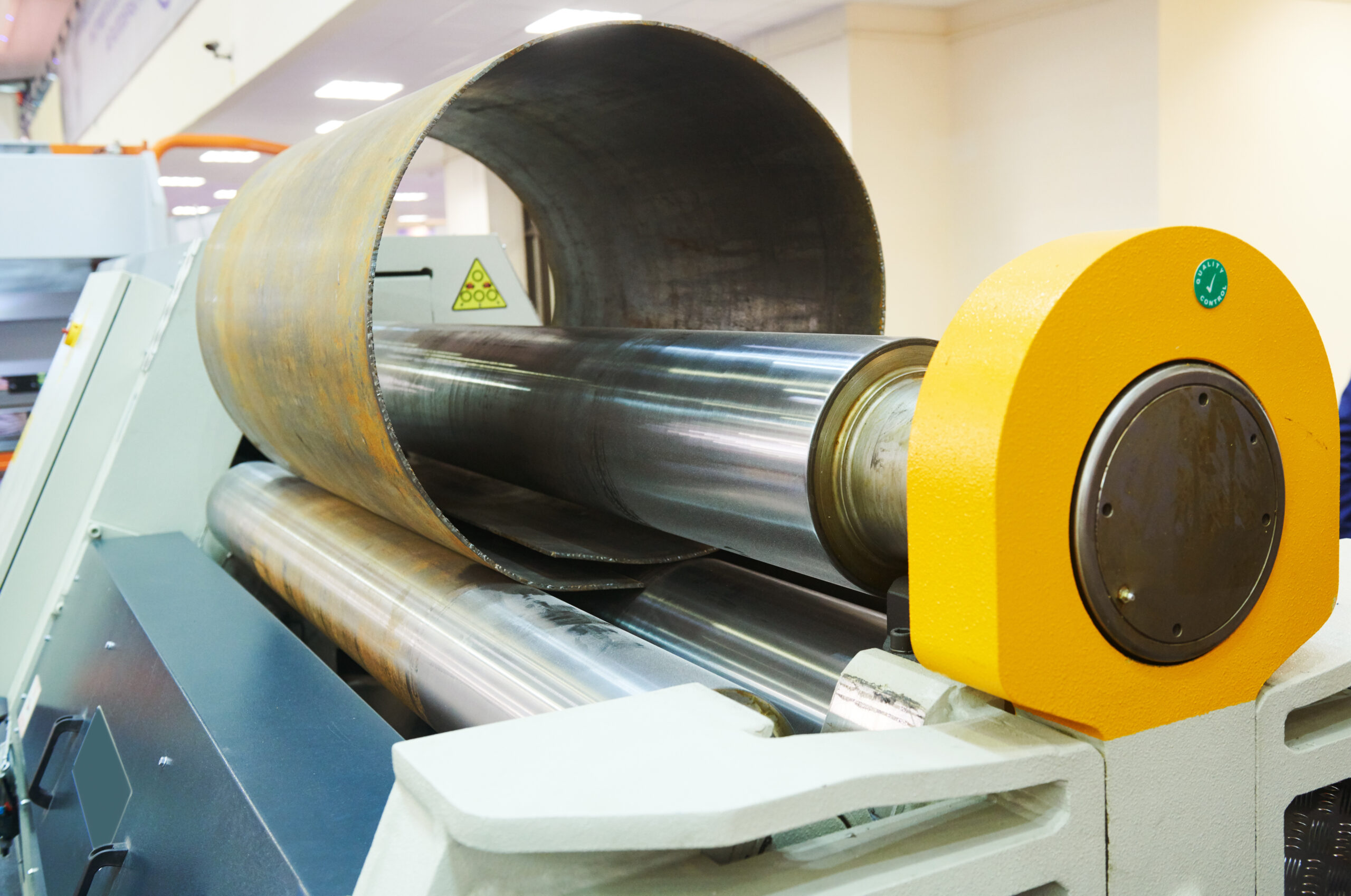
The sheet metal roller bender is a vital tool for those working with metal fabrication. This device allows users to create precise bends and curves in sheet metal, enhancing their ability to craft complex designs and structures. Whether someone is a professional metalworker or a DIY enthusiast, understanding the functionality and benefits of a roller bender can greatly improve their workflow.
Utilizing a sheet metal roller bender can lead to a more efficient production process. It offers control over the bending angle and radius, which is essential for achieving the desired shape without compromising the integrity of the material. As a result, users can ensure that their projects meet specific design requirements with accuracy.
With various models available on the market, selecting a suitable roller bender can be crucial. Factors such as size, capacity, and additional features can influence a user’s choice. Knowing how to choose the right tool for their needs can streamline the metalworking process and elevate the quality of the final product.
Essential Components of a Sheet Metal Roller Bender
A sheet metal roller bender consists of critical components that work together to achieve precise bending. Understanding these essential parts helps in selecting the right equipment for specific applications.
Rollers
Rollers are pivotal in determining the bending radius and the thickness of the sheet metal. Typically, there are three rollers: the top roller and two bottom rollers.
- Top Roller: This adjustable roller applies pressure to the metal sheet, enabling it to bend around the circumference.
- Bottom Rollers: Positioned beneath the top roller, these stabilizers help maintain the material in place during the bending process.
Roller material can vary, often including hardened steel or rubber-coated surfaces for enhanced grip and longevity. The design of the rollers also influences the quality of bends, as various profiles may be employed to achieve different shapes.
Bending Mechanism
The bending mechanism is crucial in translating the operator’s inputs into physical bends in the metal. Mechanisms may include:
- Manual Systems: Operated by hand cranks, suitable for smaller operations or lighter materials.
- Hydraulic Systems: Utilizing hydraulic pressure for greater force and precision, ideal for heavy-duty applications.
- Electronic Controls: Present in advanced models, allowing for programmable bending sequences and enhanced operator control.
The choice of bending mechanism impacts productivity and the complexity of tasks that can be performed. Proper maintenance of these systems ensures consistent performance and longevity.
Frame and Base
The frame and base provide structural integrity to the sheet metal roller bender. A robust frame allows for stability, preventing flex during operation.
- Materials: Usually constructed from welded steel, ensuring durability and resistance to deformation.
- Design: Should incorporate mounting points for securing the machine in place to minimize vibration.
The base is also designed to accommodate any additional tools or accessories that may be required. A solid frame and base contribute significantly to the machine’s overall performance and longevity.
Operational Techniques
Proper operational techniques are crucial for achieving precise bends and maintaining the integrity of sheet metal during processing. Attention to detail in preparation, setup, and execution can greatly enhance the effectiveness of a sheet metal roller bender.
Preparing the Metal
Before bending, it is essential to prepare the sheet metal. This includes cleaning the surface to remove any debris, oil, or rust, which can affect the bending process. Steel plate and sheet metal shearing services may be utilized beforehand to ensure the metal is cut to precise dimensions, which is crucial for optimal bending results.
Cut the metal sheets to the appropriate size based on the project’s specifications.
Important steps include:
- Measuring accurately
- Marking bend lines
- Ensuring the material type is suitable for bending
Different metals, such as aluminum or steel, require specific considerations, such as thickness and temper. The more accurate the preparation, the smoother the bending process will be.
Setting the Bender
After preparing the metal, the next step is to set up the bender correctly. This includes adjusting the rollers for the thickness of the material being used.
To achieve this, check the manufacturer’s guidelines for specific roller settings and ensure they are calibrated correctly.
Key adjustments include:
- Aligning the rollers symmetrically
- Setting the correct angle for bends
- Adjusting feed rates
Also, safety measures must be in place, such as securing loose clothing and removing any hazards from the work area. A properly set bender will reduce the risk of errors during the bending process.
Bending Process
The bending process requires care and precision to produce the desired angles and arcs. Feed the prepared sheet metal into the bender gradually, ensuring a controlled movement.
Monitor the pressure applied to the metal to avoid overstressing it, which could lead to cracking.
Bending tips include:
- Performing test bends on scrap material
- Adjusting the speed based on material behavior
- Maintaining consistent pressure throughout the process
After bending, it is advisable to inspect the final product thoroughly for accuracy and quality. Any discrepancies should be addressed immediately to ensure the integrity of the work.
Technology Perspective
Technology continues to transform industries through artificial intelligence, cloud computing, automation, cybersecurity, digital platforms, and data-driven decision making. As organizations increasingly adopt digital solutions, understanding emerging technologies becomes essential for businesses, professionals, and consumers. DGM News regularly covers these developments through expert analysis, technology news, and educational resources.
Innovation Outlook
Rapid advances in artificial intelligence, automation, machine learning, cloud infrastructure, and digital transformation continue reshaping global industries. Monitoring these developments helps organizations adapt to changing technologies, improve efficiency, and prepare for future innovation.
Did you know?
Artificial Intelligence is expected to influence nearly every major industry over the coming decade, from healthcare and finance to transportation, manufacturing, education, and entertainment.
AI, Machine Learning, Deep Learning and Generative AI Explained
Google AI Updates
About DGM News
DGM News is an independent digital publication delivering the latest Technology News, AI News, and FinTech News. We provide expert insights on startups, innovation, cybersecurity, software, business, gadgets, cloud computing, artificial intelligence, and emerging technologies. Our mission is to publish informative, accurate, and regularly updated content that helps readers stay informed in today's rapidly evolving digital landscape.
Since our editorial focus includes technology, artificial intelligence, and financial technology, we continuously expand our coverage as new innovations emerge.
Editorial Standards
Every article published on DGM News undergoes editorial review before publication. We prioritize factual accuracy, clarity, transparency, and reader value while following responsible digital publishing practices.
Research Methodology
Our editorial team researches publicly available information from official announcements, technical documentation, research publications, developer resources, reputable industry reports, and trusted public sources whenever applicable. Information is reviewed to improve clarity and accuracy before publication.
Fact-Checking Policy
We make reasonable efforts to verify factual information before publishing. Articles are reviewed for accuracy, consistency, and relevance. If significant developments occur after publication, content may be revised to reflect updated information.
Update Policy
Technology evolves rapidly. Articles may be reviewed and updated periodically to reflect software releases, AI developments, security advisories, regulatory updates, product launches, and other important industry changes.
Source Verification
Whenever possible, DGM News reviews information using official company announcements, technical documentation, research publications, government resources, publicly available reports, and reputable industry references before updating articles.
Editorial Independence
DGM News maintains editorial independence in all publishing decisions. Editorial content is produced independently and is intended to provide balanced, informative, and reader-focused coverage without influence from advertisers or commercial partnerships.
AI Usage Disclosure
Artificial intelligence tools may assist with research organization, grammar improvement, formatting, or editorial workflows. Every article is reviewed by human editors before publication to help maintain quality, clarity, and factual accuracy.
Corrections Policy
Accuracy is important to us. If readers identify outdated information or factual inaccuracies, they are encouraged to contact our editorial team. Verified corrections are reviewed and incorporated whenever appropriate.
Reader Feedback
Reader feedback helps improve our journalism. We welcome suggestions, corrections, and constructive feedback through our Contact page to continuously improve the quality of our reporting.
Last Editorial Review
This article follows the DGM News editorial review process and may be updated periodically as new information becomes available.
Why Trust DGM News?
DGM News is committed to publishing technology journalism that emphasizes accuracy, transparency, editorial independence, and regularly updated information. Our editorial process is designed to provide readers with reliable coverage of technology, AI, fintech, startups, and digital innovation.
DGM News Resources
Topics We Cover
Artificial Intelligence • AI Tools • Machine Learning • FinTech • Cybersecurity • Cloud Computing • Programming • Software Development • Gadgets • Mobile Technology • Business Technology • Startups • Digital Marketing • Blockchain • Cryptocurrency • Science • Innovation • Consumer Technology • Enterprise Technology • Automation