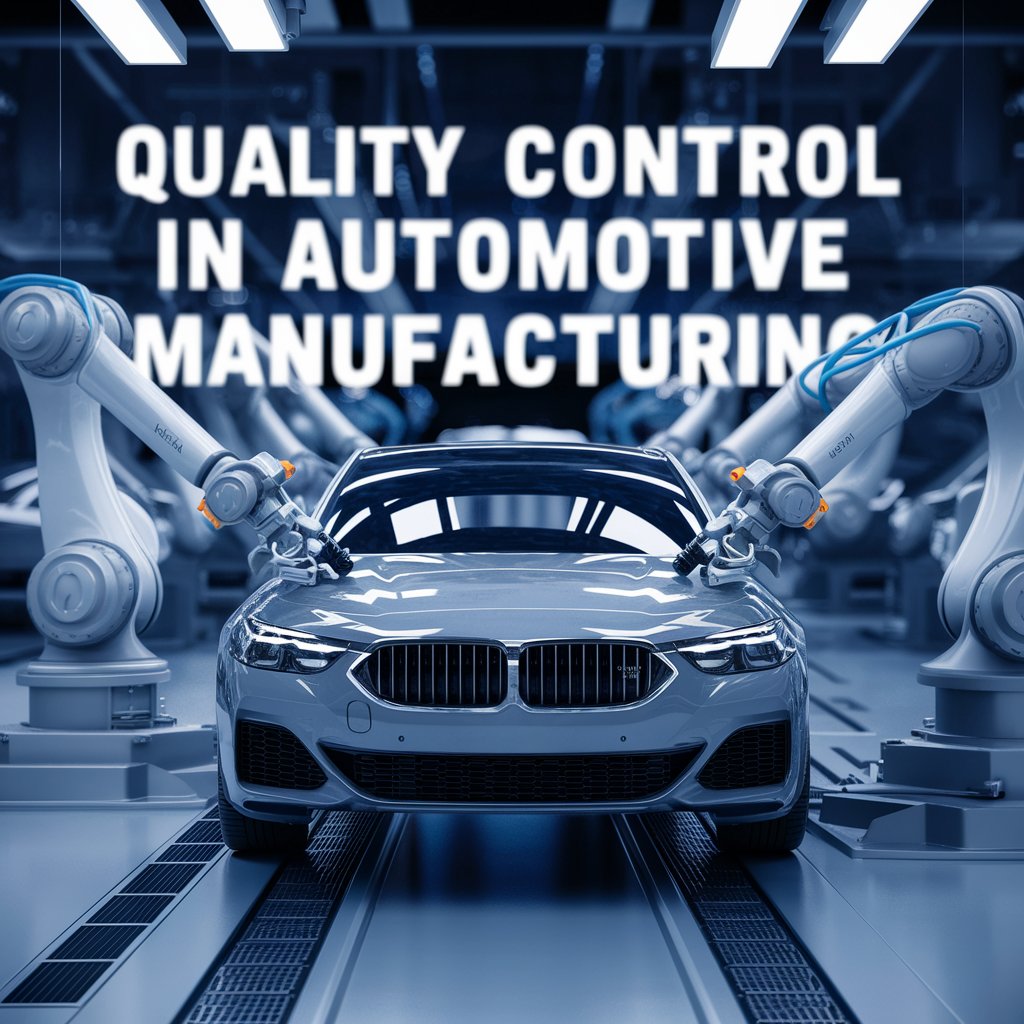
Quality control is the backbone of the automotive manufacturing industry. It ensures that vehicles are safe, reliable, and meet the high standards expected by consumers. Over the years, quality control methods have evolved significantly, incorporating advanced technologies and processes to maintain and enhance product quality. Advancement in preventive maintenance like OTA vehicle software updates help prevent defects, reduce costs, and boost customer satisfaction. Without effective quality control, the automotive industry would face significant safety risks, recalls, and brand reputation damage.
Let’s explore the various quality control methods used in automotive manufacturing. The article will highlight the critical role of the automotive spin test in ensuring the durability and performance of automotive parts, demonstrating how these tests contribute to overall vehicle quality and safety. It will delve into specific techniques, such as statistical process control, automated inspection systems, and continuous improvement processes.
Statistical Process Control (SPC)
Statistical Process Control (SPC) is a vital quality control method in automotive manufacturing. It involves using statistical methods to monitor and control the production process. By collecting data from various stages of production, manufacturers can identify trends, variations, and potential issues before they become major problems. SPC helps in maintaining consistent quality by ensuring that the manufacturing process operates within specified limits. This method not only improves product quality but also enhances production efficiency by reducing waste and rework.
Automated Inspection Systems
Automated inspection systems have revolutionized quality control in the automotive industry. These systems use advanced technologies such as machine vision, lasers, and sensors to inspect components and assemblies with high precision. Automated inspections can detect defects that may be missed by human inspectors, ensuring that only high-quality parts proceed to the next stage of production. By integrating automated inspection systems, manufacturers can achieve higher accuracy, speed, and consistency in quality control, ultimately leading to better product reliability and customer satisfaction.
Continuous Improvement Processes
Continuous improvement is a core principle in automotive manufacturing quality control. It involves regularly evaluating and enhancing processes to achieve better performance and quality. Techniques such as Six Sigma, Lean Manufacturing, and Kaizen are commonly used to drive continuous improvement. Six Sigma focuses on reducing process variability and defects, while Lean Manufacturing aims to eliminate waste and increase efficiency. Kaizen, a Japanese term for “improvement,” encourages employees at all levels to contribute ideas for process enhancements. Together, these methodologies foster a culture of quality and excellence in automotive manufacturing.
The Role of Automotive Spin Tests
The automotive spin test plays a crucial role in ensuring the durability and performance of automotive parts. These tests simulate real-world driving conditions to evaluate how components behave under various stress levels. For instance, spin tests are used to assess the performance of engines, transmissions, and other rotating parts. By subjecting these components to rigorous testing, manufacturers can identify potential weaknesses and make necessary improvements before the parts are installed in vehicles.
Spin tests help in verifying the reliability and longevity of automotive parts. They provide valuable data on how parts respond to different speeds, loads, and temperatures. This information is essential for designing parts that can withstand the demands of everyday driving. Moreover, spin tests help in identifying any issues related to balance and alignment, which are critical for the smooth operation of rotating components. Ensuring that parts pass these stringent tests is vital for maintaining overall vehicle safety and performance.
Quality Control in Supply Chain Management
Quality control extends beyond the manufacturing process to include the entire supply chain. Automotive manufacturers rely on numerous suppliers for various components, making it essential to ensure that all parts meet quality standards. Supplier quality management involves evaluating and monitoring suppliers to ensure they adhere to the required specifications and quality criteria. Regular audits, inspections, and performance reviews help in maintaining a high level of quality throughout the supply chain. By working closely with suppliers, manufacturers can identify and address potential issues early, preventing defects and ensuring the production of high-quality vehicles.
Advanced Quality Control Technologies
The automotive industry continuously adopts new technologies to enhance quality control. Advanced technologies such as artificial intelligence (AI), machine learning, and the Internet of Things (IoT) are being integrated into quality control processes. AI and machine learning can analyze large volumes of data to predict potential quality issues and recommend corrective actions. IoT devices can monitor production processes in real time, providing instant feedback and enabling prompt responses to any deviations. These technologies help in achieving higher accuracy, efficiency, and consistency in quality control, leading to better overall product quality.
Employee Training and Involvement
Employee training and involvement are crucial for effective quality control in automotive manufacturing. Ensuring that employees are well-trained in quality control methods and procedures is essential for maintaining high standards. Training programs should cover various aspects of quality control, including inspection techniques, data analysis, and problem-solving skills. Moreover, involving employees in quality improvement initiatives fosters a sense of ownership and responsibility towards maintaining product quality. Encouraging a culture of continuous learning and improvement helps in building a skilled workforce dedicated to producing high-quality vehicles.
Quality control is indispensable in automotive manufacturing, ensuring that vehicles are safe, reliable, and meet consumer expectations. By integrating advanced technologies and fostering employee involvement, the automotive industry can continue to achieve high standards of quality and excellence. Effective quality control not only enhances customer satisfaction but also strengthens the reputation and success of automotive manufacturers.
Technology Perspective
Technology continues to transform industries through artificial intelligence, cloud computing, automation, cybersecurity, digital platforms, and data-driven decision making. As organizations increasingly adopt digital solutions, understanding emerging technologies becomes essential for businesses, professionals, and consumers. DGM News regularly covers these developments through expert analysis, technology news, and educational resources.
Innovation Outlook
Rapid advances in artificial intelligence, automation, machine learning, cloud infrastructure, and digital transformation continue reshaping global industries. Monitoring these developments helps organizations adapt to changing technologies, improve efficiency, and prepare for future innovation.
Did you know?
Artificial Intelligence is expected to influence nearly every major industry over the coming decade, from healthcare and finance to transportation, manufacturing, education, and entertainment.
AI, Machine Learning, Deep Learning and Generative AI Explained
Google AI Updates
About DGM News
DGM News is an independent digital publication delivering the latest Technology News, AI News, and FinTech News. We provide expert insights on startups, innovation, cybersecurity, software, business, gadgets, cloud computing, artificial intelligence, and emerging technologies. Our mission is to publish informative, accurate, and regularly updated content that helps readers stay informed in today's rapidly evolving digital landscape.
Since our editorial focus includes technology, artificial intelligence, and financial technology, we continuously expand our coverage as new innovations emerge.
Editorial Standards
Every article published on DGM News undergoes editorial review before publication. We prioritize factual accuracy, clarity, transparency, and reader value while following responsible digital publishing practices.
Research Methodology
Our editorial team researches publicly available information from official announcements, technical documentation, research publications, developer resources, reputable industry reports, and trusted public sources whenever applicable. Information is reviewed to improve clarity and accuracy before publication.
Fact-Checking Policy
We make reasonable efforts to verify factual information before publishing. Articles are reviewed for accuracy, consistency, and relevance. If significant developments occur after publication, content may be revised to reflect updated information.
Update Policy
Technology evolves rapidly. Articles may be reviewed and updated periodically to reflect software releases, AI developments, security advisories, regulatory updates, product launches, and other important industry changes.
Source Verification
Whenever possible, DGM News reviews information using official company announcements, technical documentation, research publications, government resources, publicly available reports, and reputable industry references before updating articles.
Editorial Independence
DGM News maintains editorial independence in all publishing decisions. Editorial content is produced independently and is intended to provide balanced, informative, and reader-focused coverage without influence from advertisers or commercial partnerships.
AI Usage Disclosure
Artificial intelligence tools may assist with research organization, grammar improvement, formatting, or editorial workflows. Every article is reviewed by human editors before publication to help maintain quality, clarity, and factual accuracy.
Corrections Policy
Accuracy is important to us. If readers identify outdated information or factual inaccuracies, they are encouraged to contact our editorial team. Verified corrections are reviewed and incorporated whenever appropriate.
Reader Feedback
Reader feedback helps improve our journalism. We welcome suggestions, corrections, and constructive feedback through our Contact page to continuously improve the quality of our reporting.
Last Editorial Review
This article follows the DGM News editorial review process and may be updated periodically as new information becomes available.
Why Trust DGM News?
DGM News is committed to publishing technology journalism that emphasizes accuracy, transparency, editorial independence, and regularly updated information. Our editorial process is designed to provide readers with reliable coverage of technology, AI, fintech, startups, and digital innovation.
DGM News Resources
Topics We Cover
Artificial Intelligence • AI Tools • Machine Learning • FinTech • Cybersecurity • Cloud Computing • Programming • Software Development • Gadgets • Mobile Technology • Business Technology • Startups • Digital Marketing • Blockchain • Cryptocurrency • Science • Innovation • Consumer Technology • Enterprise Technology • Automation